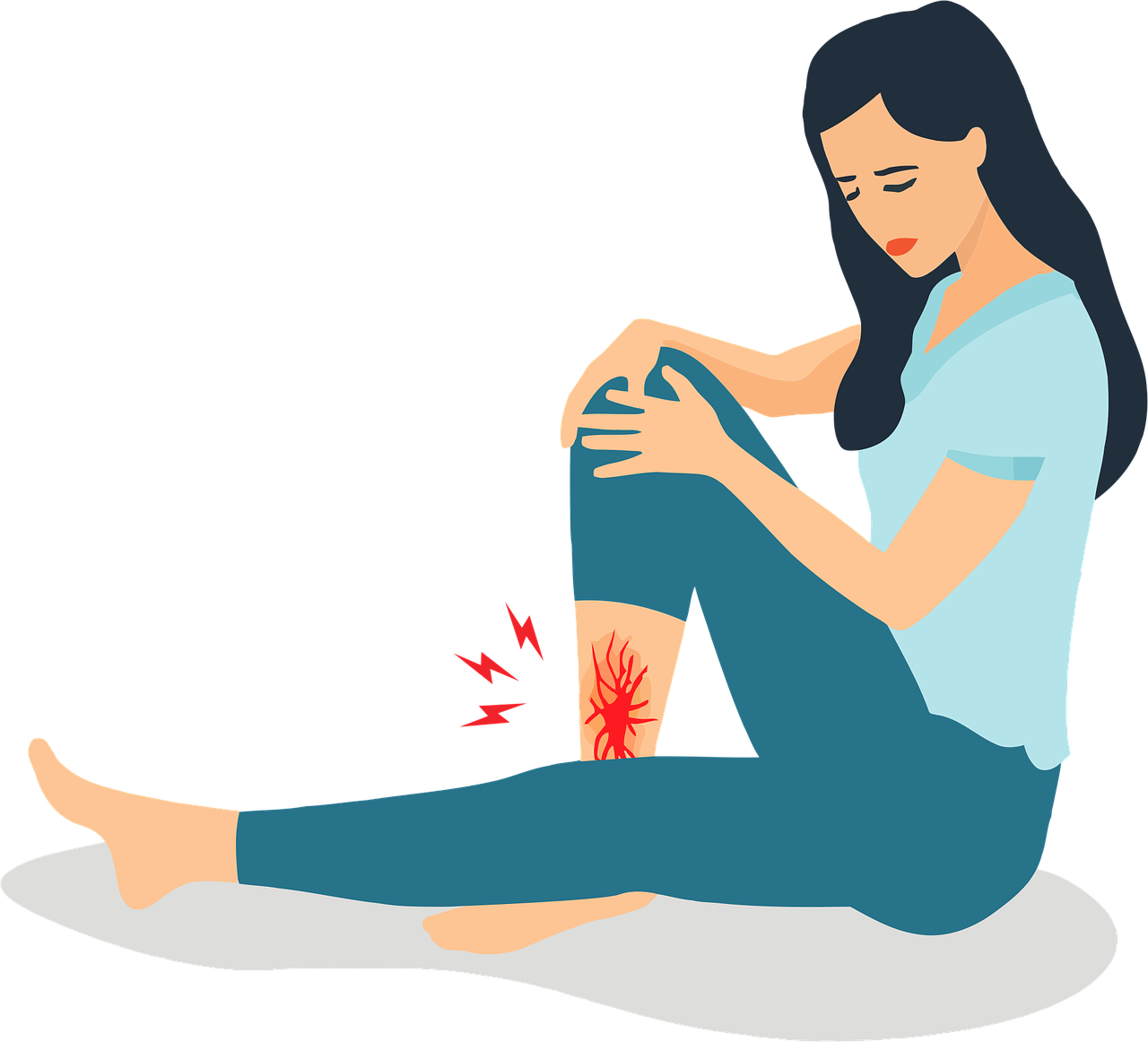

Preventing Sprains and Strains in Martial Arts Training
Martial arts training is an exceptional way to build strength, flexibility, and self-defense skills, yet it can also pose risks of injuries, particularly sprains and strains. These injuries often arise from improper techniques, inadequate warm-ups, or fatigue. To effectively prevent injuries, one must first understand their nature and causes. Sprains refer to ligament injuries that occur when they are stretched beyond their capacity, while strains affect muscles or tendons. Learning to differentiate between these conditions is vital in both identifying and preventing them. The integration of preventive measures into your training regime is essential. This includes applying proper warm-up protocols before each session, focusing on stretching to enhance flexibility, and reviewing techniques under expert supervision. Furthermore, understanding your limits and pacing your training can significantly reduce the risk of injury. Listening to your body when it indicates fatigue is also important. Overexerting oneself can lead not only to injuries but also hinder progress. Commit to training smart instead of hard, and you will maximize your martial arts journey without compromising your safety.
Another important aspect of injury prevention in martial arts is proper footwear and equipment. Wearing appropriate and well-fitted gear can help protect against injuries during training sessions. For instance, martial arts shoes help provide grip and support on various surfaces, reducing the risk of ankle sprains. Additionally, using shin guards, gloves, and mouthguards serves to protect vulnerable parts of the body. Regularly inspect your equipment before training sessions to ensure they are in good condition. Worn-out or damaged gear may fail in a critical moment, leading to accidents or injuries. Athletes should also consider their health history when participating in martial arts. Previous injuries can impact current training practices, necessitating adjustments or modifications for effective participation without undue risk. Consult with healthcare professionals specializing in sports medicine to create a tailored program suited to your individual needs. This collaboration ensures that you address any underlying issues and improve your technique safely. Remember that injury prevention is a lifelong commitment that pays dividends by allowing martial artists to train longer and more effectively. Always prioritize recovery and treat minor aches swiftly.
Importance of Warm-Up and Cool-Down
A comprehensive warm-up routine is indispensable for any martial artist aiming to minimize the risk of injury. Engaging in dynamic stretching and light cardiovascular exercises raises core body temperature and increases blood flow to muscles. This enhances overall flexibility and prepares the body for intense activity. Specific warm-up activities such as jumping jacks, arm circles, and leg sways aid in loosening joints and improving range of motion. Likewise, implementing a dedicated cool-down routine after sessions is equally crucial. Gradually reducing heart rate can prevent sudden post-exercise drops that may lead to injury or dizziness. Moreover, static stretching post-training helps maintain flexibility and alleviates tension within the muscles. Lastly, engaging in restorative practices such as yoga can aid healing and body awareness. Safeguarding against sprains and strains begins with consistent habits in warm-up and cool-down routines. Ensure routines are tailored for the techniques practiced. Seek guidance from instructors to optimize these strategies. The time spent on these practices during training can significantly reduce injury risk and enhance performance while ensuring longevity in your martial arts journey.
Maintaining proper hydration throughout martial arts training is also a crucial factor in preventing injuries. Dehydration can lead to muscle cramping and a reduced ability to concentrate. Always keep a water bottle close and take breaks as needed, particularly during intense drills or sparring sessions. It’s essential to stay aware of the signs of dehydration, such as fatigue, dizziness, or a dry mouth, and address these promptly while training. Eating a well-balanced diet rich in proteins, carbohydrates, and healthy fats assists in muscle recovery to prevent strains. Incorporating nutrient-dense foods can supply the energy needed for demanding workouts. Consider consulting with a nutritionist specializing in athletic performance for personalized dietary advice. Incorporating foods rich in potassium, magnesium, and calcium can help maintain muscle function and prevent cramps. Consistency in nutrition and hydration should be viewed as essential parts of training, not just afterthoughts. Ultimately, mindful dietary choices can complement your techniques and training approaches, ensuring that your body performs optimally and reduces injury chances during rigorous martial arts practice. Fostering holistic care enables a more successful training journey.
Technique and Skill Development
Proper technique is the bedrock of injury prevention in martial arts. When practitioners execute movements correctly, the risk of sprains and strains significantly decreases. Emphasizing form and positioning helps safeguard joints and muscles during dynamic movements. Regular feedback from instructors can help refine techniques, ensuring they are executed safely. Video analysis can also help provide visual cues for improvement. Engaging in controlled sparring sessions promotes skill development while reducing injury risks. This approach encourages slow-paced practice wherein martial artists can focus on mechanics without reckless aggressiveness. Developing muscle memory through repetition contributes to both skill mastery and injury prevention. Additionally, participating in workshops that concentrate on specific techniques can enhance your proficiency and offer insights into safe practices. Don’t hesitate to take breaks between drills to assess technique and recharge energy levels. Building strength around vulnerable areas of the body—such as ankles and knees—can also serve to fortify joints against potential strains. Aim to include resistance training and stability exercises in your overall training regimen, facilitating resilience against injuries. Practicing good technique fosters internal safety, allowing martial artists to progress in a safe manner.
Understanding the role of recovery in martial arts is often overlooked, yet it is paramount for preventing sprains and strains. Adequate rest allows muscles to mend and rebuild, reinforcing strength for future training sessions. Implementing active recovery days to focus on low-intensity activities—like walking or swimming—can also enhance blood flow without exacerbating fatigue. Listening to body signals indicating the need for rest is key. If you experience persistent pain or discomfort, it’s vital to prioritize recovery rather than push through. Engaging in activities such as foam rolling or gentle stretching can aid recovery. Utilizing ice packs and elevation helps manage inflammation and is effective after intense training. Yoga or meditation can support mental recovery, fostering focus and better coping mechanisms in high-pressure moments during practice. For athletes suffering from chronic pain, seeking professional help should be a proactive step. Collaborate with physiotherapists or sports trainers to create tailored recovery strategies. Emphasizing recovery as a fundamental part of your training programming not only reduces injury risks but boosts overall performance and long-term success in martial arts.
Community and Support
Engaging with a supportive martial arts community plays a significant role in injury prevention. Training with partners who prioritize each other’s safety encourages a shared commitment to reduce risks during practice. Communicating openly about limits and concerns fosters a culture of respect, allowing athletes to train safely together. Establishing buddy systems can provide additional layers of protection during sparring sessions, enabling greater awareness and caution. Building friendships in your martial arts community can further motivate and inspire improvement while keeping safety at the forefront. Furthermore, actively participating in group practices or local events can cultivate camaraderie and shared learning experiences. Engaging with your peers encourages a more profound understanding of techniques and promotes best practices regarding safety and injury prevention. Seek out instructors who emphasize these values in their teaching as well, enhancing the training atmosphere. Lastly, creating an environment where discussing injuries and challenges is normalized can aid recovery and awareness. Providing peer support and sharing personal experiences creates a stronger overall martial arts community, fostering growth and safety. Ultimately, prioritizing community and support amplifies everyone’s collective commitment to injury prevention, enriching your martial arts journey significantly.