
Tips for Safe Strength Training with Age
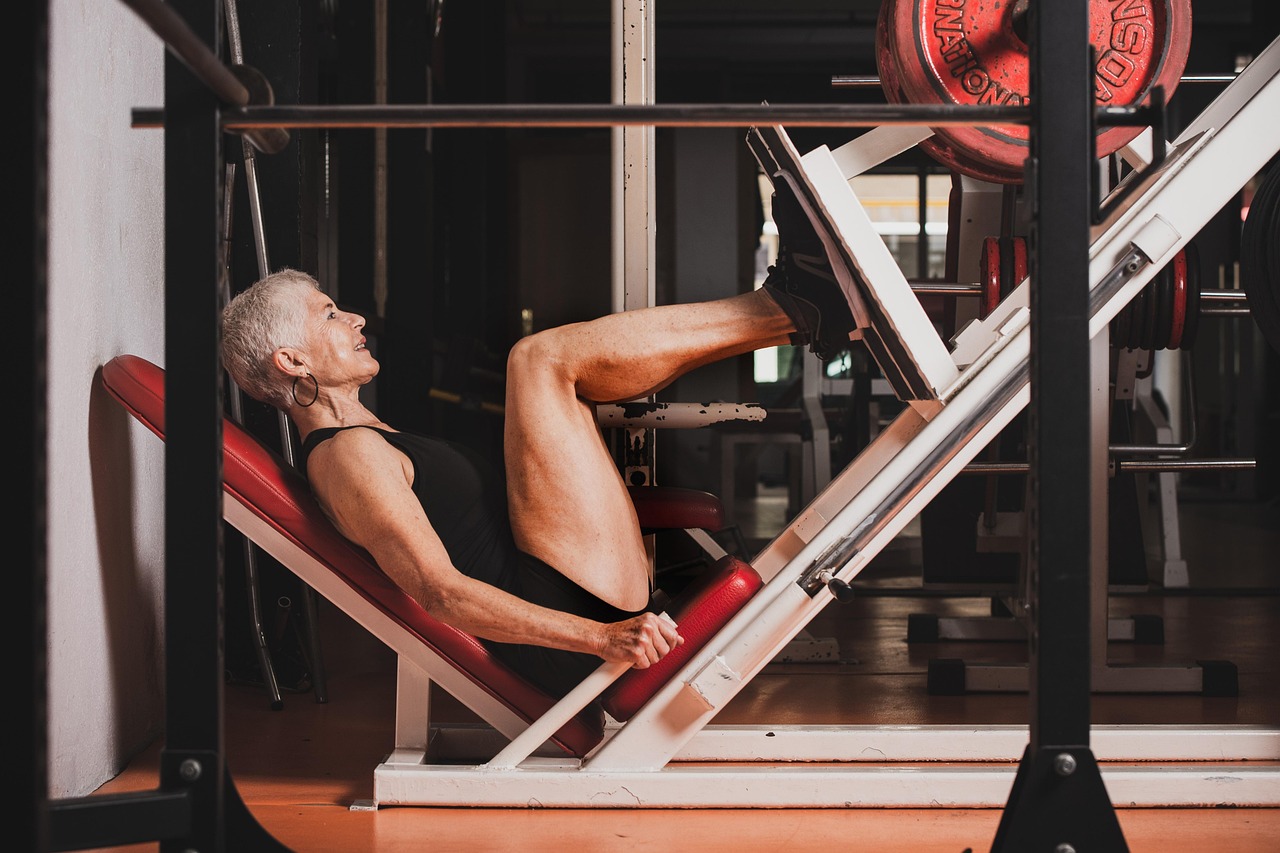
As individuals age, incorporating strength training into their fitness routine can yield significant benefits. Resistance exercises help counteract age-related muscle loss, improve bone density and maintain functional independence. It is essential, however, to approach strength training cautiously with the right strategies to ensure safety and effectiveness. Begin by consulting a healthcare professional or a certified personal trainer who has experience working with older adults. They can provide guidance and create a tailored program that suits your individual physical abilities and limitations. Consider starting with lighter weights or resistance bands and gradually progress as you build confidence and strength. Focus on proper form and technique to minimize the risk of injury. Remember to prioritize stability and balance during exercises. Additionally, a good warm-up can help prepare your muscles and joints for the workout ahead. There’s a plethora of exercises to choose from, including bodyweight movements, free weights, and machines, ensuring a wide variety that can be adapted. Stay hydrated and listen to your body, adjusting your routine as necessary to maintain a healthy and enjoyable experience.
Importance of Warm-Up
Warming up is a critical component of any workout, especially for older adults engaging in strength training. Warm-up routines prepare your muscles and joints for physical activity and can significantly reduce the risk of injury. A proper warm-up increases blood flow, raises body temperature, and enhances muscle elasticity. Spend at least 10-15 minutes on gentle aerobic activities, such as walking, cycling, or light jogging. Follow this up with dynamic stretches that target the primary muscle groups you plan to use. Such stretches may include arm circles, leg swings, and torso twists. Incorporating balance exercises can further enhance stability and mobility before engaging in resistance activities. Additionally, consider including flexibility exercises into your warm-up routine to help improve the range of motion and reduce stiffness. Remember, the goal of any warm-up is to gradually prepare your body for more strenuous activity. After your workout, take time to cool down and stretch, allowing your heart rate to return to normal levels. Regular warm-ups not only ensure safe lifting but also promote longevity in your overall fitness journey.
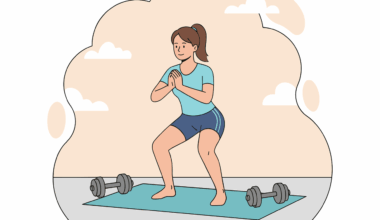
Selecting appropriate exercises is paramount for older adults pursuing strength training. Opt for exercises that mirror everyday activities to improve functional strength. Targeting multiple muscle groups through compound movements significantly enhances overall efficiency while exercising. Some effective exercises include squats, lunges, push-ups, and modified planks. Resistance training can also involve bodyweight exercises and lighter weights to start. Progress at your pace, focusing on consistency rather than intensity. Gradually increase resistance or add weights once your body adapts. Bodyweight exercises also aid in maintaining balance and coordination. Resistance bands are another fantastic option, as they provide versatility and can easily be adjusted to cater to your current fitness level. Another key consideration is to incorporate balance exercises, which are essential to prevent falls. Tai Chi and yoga are excellent options that can improve coordination and flexibility while being gentle on the joints. Always prioritize quality over quantity, ensuring that you perform exercises with the correct form to avoid injuries. Lastly, make note of your progress to inspire motivation and stay accountable.
Listening to Your Body
As you embark on your strength training journey, it is crucial to listen to your body and understand its signals. Discomfort or pain during exercise is often an indicator that something is not right. Pay attention to these signs and avoid pushing through painful experiences, as this may lead to injuries. There’s a fine line between challenge and overload, and finding the right balance can be tricky. Aim to differentiate between muscle fatigue, which is a normal part of exercise, and sharp pain, which should never be ignored. If a specific exercise causes pain, discontinue it and seek alternative movements that do not create discomfort. Additionally, fatigue can signal that your body requires rest. Allow yourself adequate recovery time between workouts, especially when starting a new program. The body requires time to adapt to newly introduced stress. Including rest days will help your muscles regenerate and become stronger. Regular assessment of your progress helps refine your training plans while ensuring they remain motivating and effective. Shamelessly prioritize your own well-being in every aspect of your training routine.
Incorporating variety into your strength training routine is essential for motivation and preventing boredom. Engaging in different exercises not only keeps your choice of movements fresh but also targets muscle groups in a balanced way. Explore multiple types of resistance training modalities, such as free weights, machines, and resistance bands. Each option offers unique benefits and challenges, promoting holistic muscular development. Consider creating a weekly schedule that incorporates various workouts focusing on different muscle groups on different days. This tactic ensures a more balanced approach to fitness and allows muscles the recovery time they need from strength strains encountered during workouts. Participate in group classes or guided sessions that focus on strength training for older adults, offering a social aspect alongside a structured training plan. Online resources, including videos and virtual classes, provide flexibility and accessibility to further diversify your routine. Ensure you maintain a supportive network of friends or family who can encourage your fitness journey. Create goals and celebrate small victories to stay inspired. Variety in your workouts can turn exercise into a more enjoyable and fulfilling part of your daily life.
The Role of Nutrition
Nutrition plays an integral role in supporting your strength training efforts as you age. A well-balanced diet promotes optimal muscle recovery, enhances performance, and aids in overall well-being. Prioritize protein consumption; it is essential for muscle repair and growth, especially following exercise. Older adults often benefit from higher protein intake through lean meats, dairy, legumes, and plant-based sources. Additionally, incorporating healthy fats and complex carbohydrates into your meals will provide adequate energy for your workouts. Don’t forget hydration – drinking water before, during, and after exercising helps regulate body temperature and keeps joints lubricated. Consider seeking the guidance of a registered dietitian to personalize your nutrition plan to your specific goals and activity level. Supplements may be beneficial for some individuals; however, always seek professional advice before starting any supplementation. Also, mindful eating practices can contribute positively to your health, promoting awareness of your body’s hunger and fullness cues. Prioritizing nutritious foods will not only assist with fitness improvement but also support overall cognitive and physical health. Assess your eating habits and make adjustments to fuel your strength training effectively.
Finally, staying motivated throughout your fitness journey is crucial for long-term adherence to strength training. Setting achievable goals, participating in group activities, and tracking progress serves to maintain focus and commitment. Begin with short-term goals; consider tasks such as completing a specific number of reps or classes each week. Celebrate your achievements to reinforce a positive mindset towards your fitness routine. Seeking accountability partners or workout buddies can increase motivation and make training sessions more enjoyable. Share your experiences with peers and support each other in sticking to your routines. Joining specialized fitness programs for seniors helps create an enjoyable environment that fosters camaraderie and encouragement. Don’t hesitate to explore new classes or workshops, as these offer opportunities to learn about various approaches to strength training. Staying open-minded can provide motivation and inspire diverse training methods. Regularly remind yourself of the benefits of maintaining an active lifestyle, including physical health, improved mood, and enhanced quality of life. Reflect on your progress periodically to stay inspired and motivated. Commit yourself to lifelong fitness, and you’ll experience the rewards of strength training well into your later years.