
Daily Habits to Prevent Posture-Related Pain
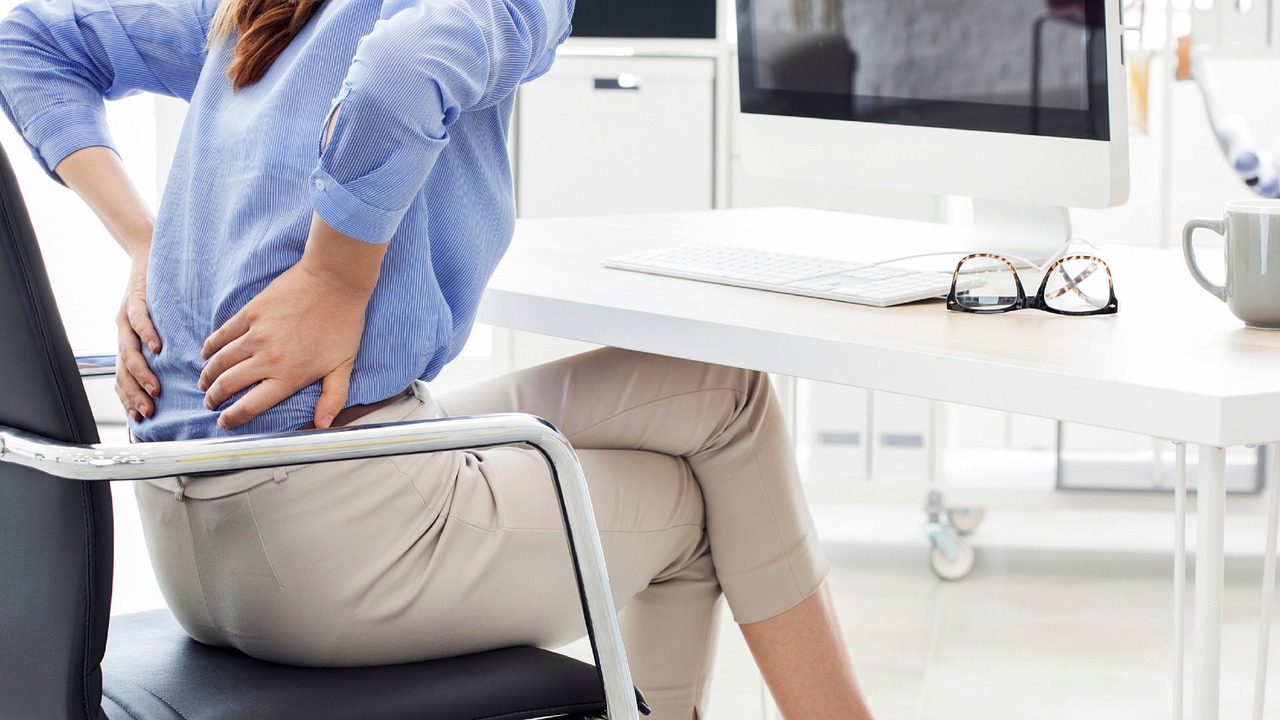
Maintaining good posture is essential for anyone working at a desk for prolonged periods. One of the most effective daily habits to develop is regular awareness of your posture. Start your day by assessing how you sit at your desk. Frequent reminders can make all the difference. Set alarms on your phone or utilize (certain apps) that can nudge you to align your body correctly throughout the day. Adjust your chair to keep your feet flat on the ground and the thighs parallel to the floor. Ensure your computer screen is at eye level, which may require using monitor stands or stacking books. Alongside this, integrate simple stretching exercises into your routine. Repeat these three times a day: neck rolls, shoulder shrugs, and cat-cow stretches. Implementing these stretches not only enhances mobility but also reinforces muscle memory for better posture. Create a checklist as a reminder, and share it with colleagues to promote a supportive work environment. Focus on these elements daily, and notice how such adjustments can dramatically reduce discomfort and improve your overall productivity.
Another crucial habit to incorporate is movement breaks throughout your day. Aim for a minimum of five minutes of movement every hour to mitigate the detrimental effects of prolonged sitting. Use a timer on your phone or a desktop alert to remind you when to stand and stretch. This short break could involve simply standing up, walking around the office, or even performing a brief series of bodyweight exercises like squats or lunges. Not only does this increase blood circulation, but it also engages different muscle groups, counteracting fatigue. Consider adopting a standing desk or a converter that allows you to alternate between sitting and standing throughout your work hours. Engaging with colleagues would help keep this habit compelling and focused. Challenge each other with small stretches or friendly mini-workouts during these breaks. Utilizing the stairs rather than the elevator can also encourage movement. Furthermore, emphasize hydration by keeping a water bottle near your workspace, allowing you to refresh and stretch more often as you refill. Every little aspect counts in creating healthier desk habits!
Incorporate Ergonomic Tools
Investing in ergonomic solutions can alleviate posture-related pain immensely. A good quality office chair designed for lumbar support can revolutionize your work experience. Choose chairs that promote natural spinal curvature and can be adjusted to your height and size. Additionally, consider products like wrist rests for your keyboard or mouse; these help maintain the correct posture for your arms and hands. Footrests can also be beneficial, allowing you to keep your feet comfortable and aligned while seated. Some individuals find that using ergonomic keyboards or mice not only supports better wrist positioning but enhances typing comfort as well. Furthermore, evaluate your workspace layout. Ensure essential items fall within easy reach, thereby minimizing awkward stretches or excess bending. Implementing effective ergonomic tools, from your chair and desk to additional accessories, plays an essential role in promoting overall health and comfort at your workstation. Periodically reassess your setup, adjusting as necessary to remain aligned with your changing needs. Taking the time to optimize your workspace will yield significant benefits far beyond mere comfort.
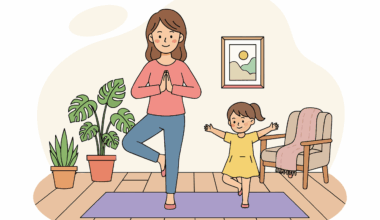
Creating a habit of performing posture-focused exercises at home is another excellent way to mitigate pain. Dedicate just ten to fifteen minutes each day to strengthen your postural muscles. Exercises such as planks, wall angels, and yoga poses like the downward dog effectively build core strength and flexibility. Incorporate resistance bands or light weights for added challenges. You can also integrate balance exercises to enhance your stability, which directly impacts your posture. Consider following online tutorials or classes focused on posture correction to keep yourself engaged and motivated. Join a local class or find online resources that cater specifically to posture correction and body awareness. Tracking your progress can be beneficial. Use a journal or an app to note improvements over time, which acts as a motivational factor. By developing these habits at home, you complement your office routine, providing a comprehensive approach to combatting posture-related pain. Engage family members or friends to join this wellness journey; making it a group effort fosters accountability and boosts enthusiasm!
The Importance of Mindfulness in Posture
Mindfulness practices can profoundly enhance your awareness of body alignment throughout the day. Begin with simple breathing exercises that ground you. Take a few moments to close your eyes and focus on your breath. Once you’re settled, visualize your body aligning properly as you inhale and exhale. This technique helps inform the subconscious, making proper posture a natural habit over time. Optional mindfulness apps offer guided sessions dedicated to enhancing body awareness that can seamlessly integrate into your day. Furthermore, pairing mindfulness with yoga can serve as a powerful combination. Yoga promotes flexibility while reinforcing the importance of posture through various poses aimed at improving strength and balance. Engaging in even ten minutes of yoga each morning or evening can instill a sense of relaxation, grounding, and connectivity with your body. Continually practice these principles to create a holistic approach to managing your overall well-being. Mindfulness and movement together can remarkably positively affect your daily life. Incorporating these principles lays the foundation for sustainable changes that combat pain and discomfort.
Participating in regular physical activities can further strengthen your body and help prevent posture-related pain. Aim to incorporate a mix of activities into your week: aerobic exercises, strength training, and stretching. Examples include cycling, swimming, and jogging, which are excellent for cardiovascular health. Strength training, using weights or resistance bands, supports muscle development crucial for sustaining proper posture. Additionally, stretching, particularly focusing on the hip flexors, chest, and shoulders, can further alleviate tension associated with long periods of sitting. Incorporate walking and outdoor activities into your routine whenever possible; they effectively provide natural stress relief while promoting an overall sense of well-being. Engaging in sports can be a great way to socialize and maintain motivation in your physical activity journey. Attempt to find activities that you genuinely enjoy; it will make it easier to commit to regular movement without feeling forced. Keep track of your workouts to ensure a balanced mix of exercises; this can enhance accountability and assist in staying on track with your fitness goals. Foster a lively interaction with friends or family members to motivate each other in this journey towards a healthier and more pain-free life.
Promoting Good Posture at Home
Lastly, developing good posture habits at home is equally crucial. Begin by setting up a comfortable workstation at home, similar to your office, ensuring ergonomic effectiveness. Place your computer at eye level, using stands if necessary, and support your arms with proper rests. Additionally, be conscientious about your posture during leisure activities like watching TV or reading. Consider investing in a support pillow or backrest during these times. Develop a habit of standing or walking while on phone calls, keeping your body active even outside designated work time. Create a designated relaxing area where you can stretch and work on your flexibility. Regularly engage in family-based activities such as hiking, biking, or even leisurely walks, creating a culture of movement at home instead of extended sedentary periods. Encourage family members to join in stretching routines or even mini-workouts together; this collaborative engagement fosters a supportive environment. Highlighting the importance of good posture at home paves the way for an all-encompassing lifestyle shift that significantly enhances everyone’s overall well-being. Cultivating these habits at home is as vital as at work.