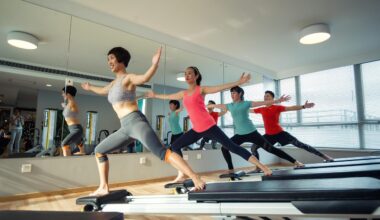

The Role of Mindfulness in Maintaining Proper Posture
Mindfulness plays an essential role in maintaining proper posture throughout our daily lives, promoting not only comfort but also overall well-being. Proper posture helps to align the body correctly, reducing strain and enhancing physical performance. Mindfulness encourages individuals to become more aware of their bodies, helping to identify how we sit, stand, or move throughout the day. This awareness can lead to better habits formed over time, ultimately supporting long-term health. By paying attention to the body, individuals can notice tension or discomfort that may indicate poor posture. Developing mindfulness practices can significantly impact one’s ability to maintain a balanced and aligned posture. Mindfulness techniques, including meditation and body scanning, can create a deeper connection with how we feel physically. When integrated into the daily routine, these practices serve as reminders to adjust posture regularly. This awareness allows for timely interventions that reduce stress on muscles and joints. Engaging consistently in mindfulness strategies contributes to the development of a more natural and effortless posture in everyday activities, enhancing productivity and overall quality of life.
This second section will cover the importance of regular posture checks and how mindfulness can facilitate this awareness. Incorporating brief breaks during work can significantly improve posture while maintaining focus. When engaged in long tasks, we might forget to monitor our posture. By practicing mindfulness, individuals can provide gentle reminders to themselves, prompting periodic checks on their body’s alignment. Such checks, integrated into daily activities, can help mitigate potential problems associated with prolonged poor posture, such as discomfort or chronic pain. Techniques like setting timers or using apps can help ensure that these checks happen regularly, creating optimal conditions for maintaining good alignment. Furthermore, being present allows individuals to notice how feelings of fatigue or tension can affect posture. Awareness of these sensations leads to an immediate opportunity to adjust and correct alignment, thus fostering a proactive approach to posture maintenance. Additionally, engaging in stretching or strengthening exercises during these breaks can directly enhance one’s posture. By doing so, it creates an effective loop – as awareness increases, positive actions follow, contributing to a continuous improvement cycle in posture and overall well-being.
Understanding the Body’s Signals
Listening to the body’s signals is vital for maintaining proper posture, and mindfulness plays a key role in this process. Our body communicates discomfort, fatigue, or imbalance through various signals that we can choose to ignore. Mindful practices encourage individuals to slow down and tune into those subtle indications effectively. By doing this, one can gain a comprehensive understanding of what the body needs at any given moment, fostering an environment where good posture can thrive. Being aware of feelings in specific muscles or joints will help inform necessary adjustments to posture, preventing potential injuries. Guided breathing exercises and gentle movements can enhance this communication with the body, allowing clearer signals to emerge. Practicing mindfulness not only helps in recognizing and addressing discomfort but also promotes positive feelings associated with body awareness. As emotional well-being directly affects posture, establishing a balanced state of mind becomes essential. Focused attention can serve to alleviate stress, which often manifests in the body as poor posture. Thus, mindful, self-aware practices become integral to cultivating the long-term positive outcomes we seek in our posture and overall physical health.
Incorporating mindfulness into daily habits can drastically enhance one’s posture through consistent practice. For example, individuals can commit to regular body scans as part of their mindfulness routines, integrating them into morning and evening rituals. This helps reinforce the importance of checking in with posture throughout the day. Practicing mindfulness during moments of stillness, such as during yoga, can also create a deeper connection with the body. Subtle techniques, like focusing on breathing and engaging muscles, can encourage better positioning of the spine. During these mindful moments, individuals are likely to notice their body’s proclivities toward slouching or misalignments. By making an effort to rearrange oneself, positive changes can flourish. Furthermore, sharing mindfulness practices in group settings, such as workplaces, can strengthen collective posture habits. Workshops centered around mindfulness and ergonomics bring about a significant cultural shift toward healthy body awareness in various environments. Additionally, these intentional group practices help create a supportive atmosphere, encouraging everyone to pursue their individual journeys toward better posture and well-being. As such, mindful practices continue to play an important role in reshaping our understanding of posture and ergonomics.
Mindfulness and Emotional Connection
Mindfulness not only influences our physical posture but uniquely connects emotional well-being and overall posture awareness. Our emotions significantly affect how we carry ourselves, leading to either rigid or relaxed positions depending on mood. When we experience stress or anxiety, our bodies often reflect those emotions through slumped shoulders or tense spines. Mindfulness becomes a powerful tool in recognizing these emotional states and their impact on posture. Individuals can use mindfulness to create a bridge between their mental state and physical alignment. By observing thoughts without judgment, it’s possible to cultivate a sense of calm that can manifest as improved posture. Greater awareness also helps in making informed decisions about self-care and physical activity, through choosing exercises or meditative practices that aligns with emotional health. Moreover, developing a strong emotional connection to one’s body fosters a sense of belonging and acceptance, further refining posture in a natural manner. Encouraging feelings of gratitude for the body’s capabilities contributes to a healthier overall awareness. Therefore, emotional and physical dimensions merge intimately through mindfulness practices, strengthening our commitment to maintaining proper posture.
Implementing mindfulness-based approaches to ergonomics can guide individuals towards a holistic experience in promoting proper posture while working or performing daily activities. Formal training sessions that incorporate mindfulness principles can enhance understanding of a healthy body alignment. These sessions help illuminate how the body moves in space and how external factors contribute to posture. Beyond theoretical knowledge, mindfulness leads to practical applications, such as adjusting workspace ergonomics, which helps create favorable conditions for maintaining posture. Simple changes, like adjusting chair height or positioning computer screens, paired with mindfulness practices, can yield considerable benefits over time. Mindfulness allows affordability in enhancing ergonomic practices, as one doesn’t need costly equipment for improvement. Daily checkpoints can serve as reminders to adjust one’s environment and body simultaneously, leading to a more profound awareness of comfort levels. Integrating tool-belt essentials, like cushions for lumbar support, can elevate experiences that support thoughtful posture across different settings. In this sense, the dynamic nature of mindfulness promotes ongoing engagement with ergonomic strategies, enriching life quality by reducing discomfort and optimizing performance in various environments and activities.
Conclusion: Cultivating a Mindful Posture
In conclusion, cultivating mindfulness offers profound implications for maintaining proper posture in our daily routines. Looking after our posture benefits our physical, emotional, and mental state, leading to overall health improvements. By embedding mindfulness practices into our lifestyles, we can significantly enhance awareness around body movements and alignment. This shift in focus helps to merge our physical and emotional well-being while fostering lasting habits in posture maintenance. Moreover, community engagement through group mindfulness practices encourages shared growth, creating supportive networks aimed at improving individual and collective posture awareness. Ultimately, a commitment to implementing mindfulness techniques opens doors for continuous improvement. Adopting these practices allows individuals to develop more profound relationships with their bodies while also cultivating ongoing motivation for self-care. As we learn to listen to our bodies and respond thoughtfully, the potential for achieving optimal posture transforms our understanding of ergonomics and wellness. By embracing mindfulness alongside ergonomics, we foster a holistic living experience, reinforcing the importance of understanding the interconnectedness between our mind, body, and posture in shaping a healthy lifestyle.
This holistic approach, centered on the connection between mindfulness and ergonomics, serves as a timeless guideline for achieving and sustaining proper posture. By prioritizing both mental awareness and physical alignment, individuals can create a comprehensive framework for well-being in their lives. Focusing on introspection empowers individuals to engage actively. Adopting these practices encourages a more profound understanding of the relationship between emotional wellness and physical alignment. Consequently, the forward momentum towards better posture becomes inevitable, leading to improved quality of life. Mindfulness is the catalyst for creating better interactions with our bodies, ultimately fostering a thriving balance between posture and well-being. Encouraging reminders to check posture can begin an empowering journey towards maintaining a healthy foundation. As we navigate complex environments, grounding ourselves through mindfulness offers clarity and direction. Reducing distractions allows for heightened body awareness, imperative for developing practical strategies for optimum posture. Moreover, the flexibility and adaptability borne from mindfulness cultivate an openness to refining posture during various activities. Engaging in ongoing reflection allows for continuous growth and recovery. In summary, integrating mindfulness into everyday life fosters essential learning for a lifetime of improved posture, contributing positively to our overall lives and wellness.