
Overcoming Setbacks: Mental Strength in Injury Recovery
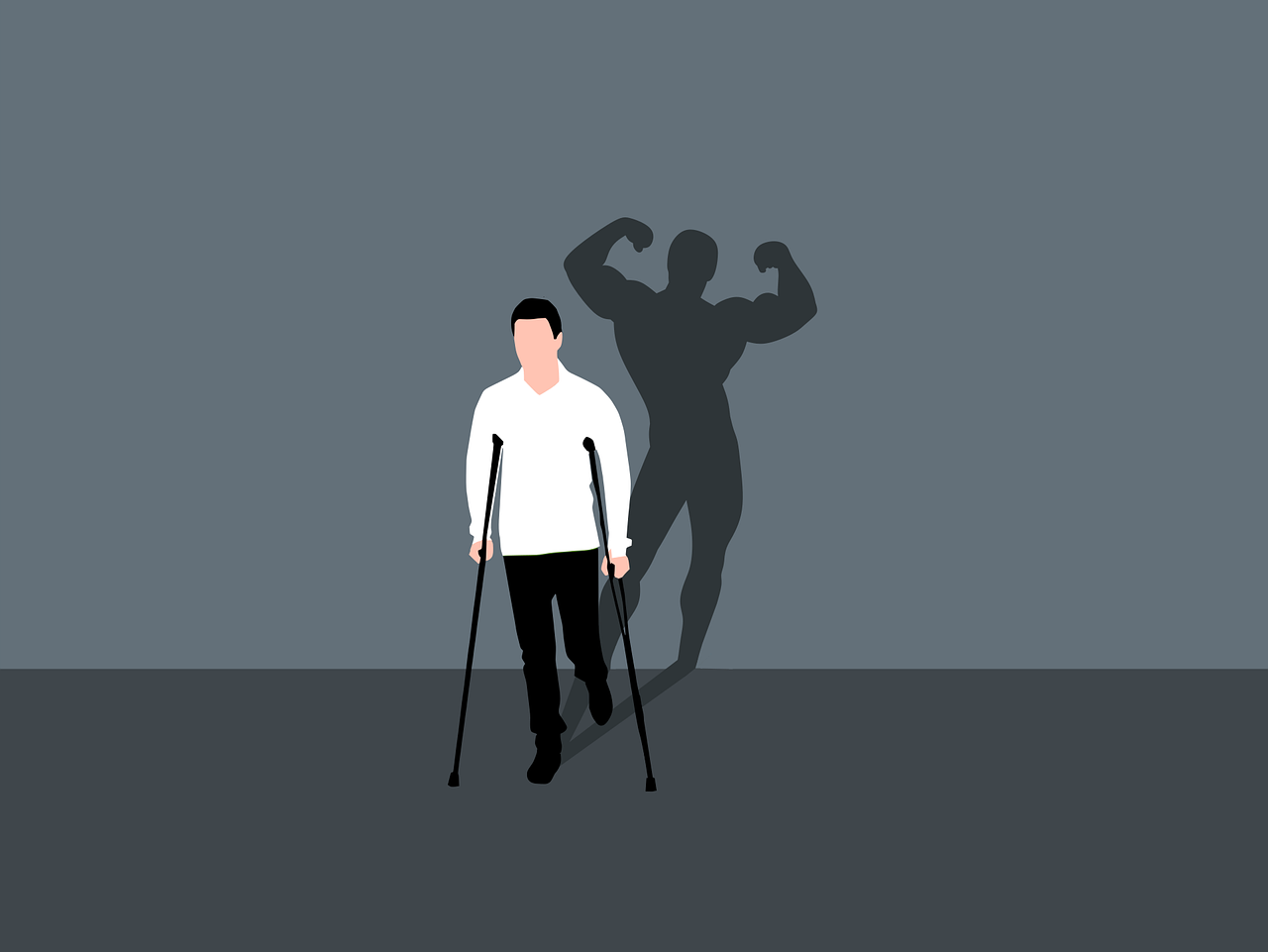
Fitness enthusiasts often face unexpected setbacks, especially when confronted with injuries. These physical setbacks can be challenging emotionally as well as physically. They demand a cohesive mindset for a successful recovery. Building mental strength is essential as injuries can lead to frustration, despair, and even feelings of helplessness. The key to navigating through this phase lies in fostering resilience. Resilience is more than just a buzzword; it embodies the ability to bounce back from adversity. As you prepare for your journey of recovery, recognize that your mental fortitude will dictate your healing process. Establishing a positive mindset aids in overcoming the emotional distress related to injuries. Focus on setting realistic goals tailored to your current condition rather than your previous benchmarks. Embrace small victories, celebrate progress, and acknowledge the effort you’re investing. Surround yourself with supportive friends or family members who can provide encouragement during tough times. Building a supportive environment is crucial. Acknowledge your feelings, but don’t dwell on them. Embrace self-compassion, and remind yourself that recovery is a journey, not a sprint. Prioritize mental wellness alongside physical rehabilitation for an effective recovery strategy.
During injury recovery, maintaining a positive outlook significantly influences the journey. Practicing gratitude can cultivate a more optimistic perspective, regardless of daily challenges. Keeping a gratitude journal can help you focus on what you appreciate, helping you to shift focus away from the injury itself. Acknowledging positive aspects of your life fosters emotional healing. Additionally, engaging in mindfulness practices, such as meditation or yoga, helps manage pain and anxiety levels. These practices promote relaxation and reduce the psychological impact associated with injuries. Set aside some time each day to engage in these activities. They can aid in clearing your mind and redirecting your energy toward recovery. Visualization is another potent technique in this phase; picturing yourself healed and resuming your active lifestyle can reinforce your motivation. Create a vision board featuring your goals, aspirations, and reminders of your journey. This physical representation can remind you of your purpose. Understanding the timeline of your recovery is also crucial. Having realistic expectations about healing times assists both mentally and physically. Seek advice from healthcare professionals regarding recovery strategies that best suit your needs and limitations. Embrace the recovery journey, knowing every step brings you closer to regaining your previous fitness level.
Setting Realistic Goals
Ultimately, goal-setting becomes paramount in overcoming setbacks. Encourage yourself to set specific, measurable, achievable, relevant, and time-bound (SMART) goals tailored to your recovery. By establishing achievable objectives, you can safeguard against feelings of discouragement tied to unrealistic expectations. Start small, focusing on what you can accomplish without straining your injured area. For instance, aim for minor movements or stretches to regain flexibility. As you progress, gradually intensify your goals. Ensure there’s a balance between challenge and capability to avoid re-injury. Utilize technology to track your progress—many fitness apps can help you celebrate progress, no matter how small. Incorporating elements of fun and creativity into your recovery regimen can enhance motivation. Engage in activities that interest you, which resonate with your passion for fitness. Joining a supportive community can also ignite motivation during recovery. Connecting with others who share similar experiences can affirm your journey and keep you accountable. Attend local support groups or online forums dedicated to fitness recovery. Finally, understand every setback is an opportunity for growth; learning from these experiences will make you more resilient in future challenges.
While physical recovery has its challenges, emotional healing should play an equally significant role. Connecting with professionals such as therapists or counselors can offer valuable support. These professionals can guide you in processing the emotional impact of your injury. Speaking openly about your struggles can alleviate feelings of isolation. Plus, it’s crucial to engage in open dialogue with your healthcare providers about the physical and emotional aspects of recovery. They can help you understand your injury and provide coping mechanisms. Moreover, remember that it’s entirely human to feel frustrated or sad about your situation. Embrace your feelings, acknowledging them as part of the process. Participate in activities that make you happy or provide relief from emotional stresses, such as reading, listening to music, or spending time in nature. It’s essential to keep your mind stimulated and engage in things that spark joy. Create an inspiring daily routine that weaves in wellness practices with uplifting habits. This blend can promote a comprehensive approach to healing. Seek joy in small things and keep a flexible attitude as your journey unfolds. Your emotional well-being is just as crucial as your physical recovery during this time.
Focusing on What You Can Control
It’s easy to feel overwhelmed during your recovery, particularly due to limitations set by your injury. Instead of fixating on what you cannot do, shift your focus to what you can control within your circumstances. Practicing this shift can foster a sense of empowerment. Engage in rehabilitation exercises specifically crafted for your injury to foster healing. Focus on nutrition and hydration to support recovery; fueling your body with the right nutrients promotes healing. Research shows that proper nutrition can expedite recovery times and reduce inflammation. Emphasize whole foods, balanced meals, and adequate hydration. Adopting a holistic approach facilitates a smooth recovery experience. Utilize your time to research and educate yourself about injury management, physical therapy, and exercises. The more knowledge you acquire, the more equipped you will feel to face challenges. Keeping a positive and proactive mindset while being mindful of your limitations is essential. You’re not just a patient; you’re an active participant in your healing journey. Accountability plays a significant role, and tracking your daily activities can highlight progress and foster motivation. Celebrate small milestones to keep your spirits high throughout this process:
The importance of patience cannot be overstated during recovery. Positive self-talk can significantly aid this aspect of your journey. Replace negative thoughts with affirmations and words that inspire hope and resilience. Engaging in positive self-talk helps cultivate a healthier mindset and shifts your emotional landscape. Consider incorporating short inspirational quotes that resonate with your journey. These can serve as daily reminders to stay hopeful and focused. Surround yourself with motivating influences, including books, podcasts, or influencers, who embody positivity and tenacity. Your mindset is pivotal, directly affecting your recovery speed and effectiveness. Take time to admire the progress you are making, no matter how small. Celebrate daily achievements and remind yourself of the strength within you. Allow setbacks to teach you patience and confidence going forward. Implementing relaxation techniques, such as deep breathing or progressive muscle relaxation, can further enhance your mental resilience. As you confront emotional challenges and recurrent frustrations, remember that setbacks are part of this unique journey. It’s not a race; it’s a gradual process. Take each moment as it comes, focusing on what you can learn and overcome. This perspective will empower you to navigate through recovery with grace.
The Role of Community Support
Utilizing community support provides an essential network during your recovery. Connecting with others who share similar experiences can alleviate feelings of isolation. Seek online or local recovery groups focused on fitness and rehabilitation. Sharing your journey helps you realize you aren’t alone while providing avenues for encouragement and advice. Building connections with like-minded individuals fosters motivation. These relationships can help you develop tools to cope appropriately amidst challenges. Sharing triumphs and setbacks with peers builds transparency and sincerity, strengthening communal bonds. When you participate in a group, the collective understanding can inspire determination and resilience within everyone. Leverage social media platforms to find communities that resonate with your interests. Consider voicing your challenges on these platforms, connecting with followers who encourage you. However, ensure to focus primarily on those that share a positive and motivating vibe. Engage in discussions and uplift others while sharing your journey. Community support fosters accountability; achieving recovery goals is easier when you have people cheering for your success. Encourage others within these circles to share their milestones too. Experiences contrast through collective wisdom, ensuring richer and more fulfilling recoveries. Celebrate the journey, connecting in complex yet healing ways.
In summary, overcoming setbacks during injury recovery revolves around fostering mental strength alongside physical wellness. Establishing positive thinking, setting realistic goals, and focusing on what you can control are crucial. Embrace community support; it fortifies your journey and enriches experiences. Self-compassion nurtures patience as you face inevitable emotions; navigating through the healing process becomes a significant growth opportunity. Ensure the self-care practices you adopt prioritize mental well-being equally as physical rehabilitation. Create visual reminders of progress, nurturing a sense of empowerment throughout each step. Healing is multi-faceted and demands commitment and understanding. You possess the resilience to emerge stronger than before; each setback is merely a stepping stone towards growth. Reaffirm your commitment to your health and well-being, utilizing various strategies to enhance recovery. Introduce mindfulness into your daily regimen to facilitate relaxation and inspire hope. With each small success, gradually ignite the fire that fuels your passion for fitness once again. Remind yourself daily of your courage. Trust your journey, knowing that every effort leads you to healing. The unfolding chapters may be filled with vibrancy, resilience, and strength if you approach transformation optimistically. Optimism will prepare you for a future filled with health and wellness.