
Understanding Your Body: Postnatal Exercise Safety Tips
Postnatal recovery is a crucial period for mothers, and understanding your body is essential for safely resuming fitness. Engaging in exercise too soon after delivery can lead to complications, including injury or prolonged discomfort. It’s important to listen to your body’s signals, as every woman’s recovery journey is unique. Seeking professional guidance can help you develop a tailored exercise plan based on your capability and fitness level. Postnatal exercises are designed to strengthen your pelvic floor, abdominal muscles, and overall core, which are often weakened during pregnancy. Always consult with your healthcare provider to ensure that you are ready to begin physical activity. Educating yourself about safe exercises can be empowering. Start with gentle movements and gradually increase intensity as your body heals. Remember, postnatal recovery is not just about physical fitness, but also about emotional well-being. Establishing a support system can provide encouragement and motivation. Online resources and courses related to postnatal fitness are widely available. Remember, patience is vital during this transition, as long-term results come with consistency, dedication, and care for your body.
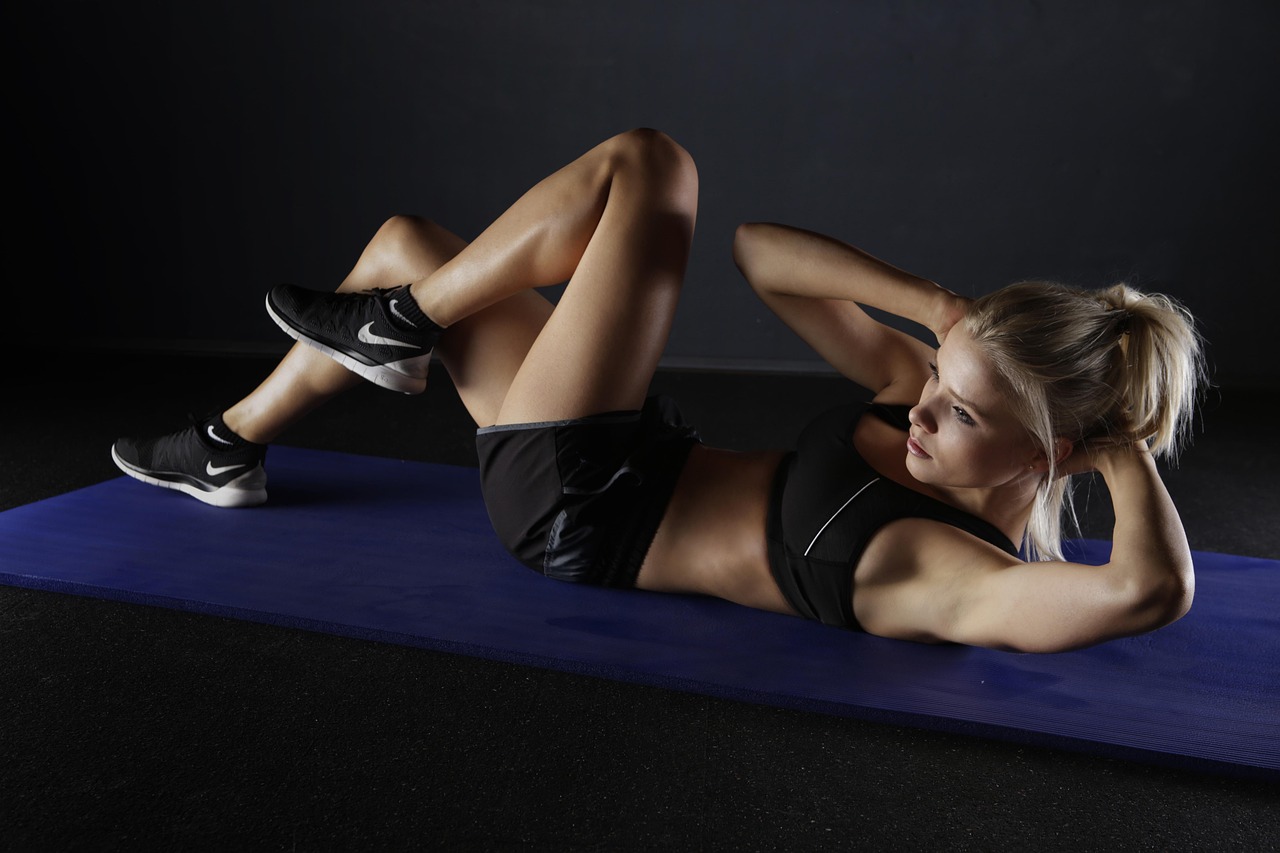
One of the key aspects of postnatal recovery is the importance of proper technique. Engaging in exercises that involve the abdominal and pelvic region should be done cautiously to prevent diastasis recti, a separation of the abdominal muscles. To mitigate the risk, focus initially on pelvic floor exercises, such as Kegels, which can help rebuild strength. Slowly incorporate low-impact activities like walking or swimming into your routine. Additionally, ensure your posture during exercises is correct to avoid straining your back. It is crucial to perform exercises with controlled movements and to prioritize breathwork to enhance core stability. Maintaining adequate hydration and nutrition supports recovery as well. Adequate sleep is equally vital, as fatigue can affect your ability to engage in physical activity effectively. Alongside these strategies, consider keeping a fitness journal to track your progress. Aim for realistic goals and adjust them as needed. If you experience discomfort or pain, it’s important to stop and assess your condition. You can gradually progress as you become more comfortable with your new routine and strengthen your body.
Listening to Your Body
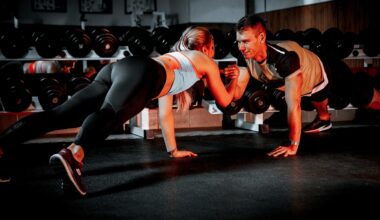
Listening to your body involves recognizing signs of fatigue, discomfort, or pain, which all indicate the need for rest or modification of activity. Every postpartum woman will experience recovery differently; therefore, it’s essential to honor your unique process. Checking in with yourself can help you understand what feels right or wrong during exercise. If you had a cesarean delivery, it is even more important to approach exercises thoughtfully and slowly. Start with deep breathing exercises and gentle stretching before progressing to more challenging movements. Pay attention to any discomfort during exercise; if something feels wrong, stop and consult your healthcare professional. Take breaks when necessary and avoid pushing through pain, as this could lead to complications. Setting short, achievable goals can be motivating while blocking out unnecessary pressures. Consider joining a postnatal exercise class; this can provide support and social interaction, which is vital for new mothers. Working out with others can keep you accountable and make exercising enjoyable. Online platforms also offer valuable resources, including video demonstrations for safe postnatal workouts suitable for your recovery stage.
Incorporating mindfulness practices into your postnatal exercise routine can enhance the safety and enjoyment of your experience. Mindfulness focuses on being aware of your body and breath during physical activities. This connection can help you be present and attentive to your body’s needs. Yoga and Pilates are excellent practices that promote both strength and mindfulness, emphasizing controlled movements and breath. These activities can help ease tension and stress while also strengthening crucial muscle groups. Even a simple daily routine involving stretching and breathing can improve your overall well-being. Aim for moments of reflection throughout your exercises, being aware of how each pose or movement feels. When you introduce an exercise, focus on how your body responds in real-time. This attentiveness allows you to adapt your routine if something feels too challenging. Moreover, celebrate small victories in your recovery journey; this can positively reinforce your motivation. Maintaining a joyful attitude during workouts can help to create a sustainable fitness habit. Include a variety of exercises to keep your routine fresh and exciting, allowing you to explore various fitness styles and activities.
Gradual Progression is Key
Gradual progression is a fundamental principle when it comes to postnatal exercises. Starting slow allows your body to adapt and strengthens your muscles without undue strain. As you become more comfortable, carefully increase the intensity and duration of your workouts. Incorporating variety into your routine can keep things interesting and prevent burnout. This progression might include adding weights, trying new movements, or increasing the number of repetitions. Listening to your body’s reactions is crucial; if you feel excessive fatigue or discomfort, it’s wise to slow down. A balanced program incorporating cardiovascular, strength, and flexibility training is ideal for overall health. Always allow for rest days in your schedule, as this allows your body to repair and grow stronger. Remember, recovery is not linear; some days will be easier than others. Celebrate the triumphs and understand the challenges as all part of the process. Keeping communication open with your healthcare provider ensures you receive ongoing guidance tailored to your progress. Make adjustments based on your energy levels and experience, focusing on sustainable practices rather than rapid results.
Nutrition is an essential component of postnatal recovery and fitness. Consuming a well-balanced diet supports energy levels and aids muscle recovery. Focus on incorporating plenty of fruits, vegetables, whole grains, lean proteins, and healthy fats into your meals. Don’t skip meals, especially breakfast; it fuels your day and aids in maintaining energy throughout exercise. Staying hydrated is equally critical, as it helps regulate body functions and maintains performance during workouts. You may also consider speaking with a nutritionist if you’re unsure where to start. Specific nutrients, such as calcium and iron, become even more important as your body recovers after childbirth. Planning meals in advance can save time and ensure you stay nourished. Meal prep can be an enjoyable activity, or you can involve your family. Include snacks that are nutritious and can provide quick energy, such as nuts, yogurt, or smoothie packs. Understanding the fundamentals of nutrition can help you make informed choices and create positive habits that support ongoing health and fitness goals.
Finding Support and Community
Finding a support network is vital during your postnatal recovery journey. Engaging with fellow new mothers can provide a sense of community and understanding. Local parenting groups or online forums can be excellent resources for support and shared experiences. Consider joining a postnatal fitness class, as working out alongside others can boost motivation and accountability. Sharing challenges and tips can be uplifting and encouraging. If exercise classes are not feasible, online platforms can offer virtual workouts and communities, catering to postpartum needs. Establishing friendships and connections with mothers who share similar interests can help foster lasting bonds. Many organizations also offer workshops focused on postpartum health, nutrition, and fitness. These resources can equip you with valuable information and practices that prioritize both physical and emotional well-being. It’s important to remember that every mother’s experience is unique; honoring your own path while supporting others fosters communal growth. Creating relationships built on encouragement can make a significant difference in maintaining a consistent postpartum exercise routine and achieving fitness objectives.
In conclusion, focusing on safety, gradual progression, and community support are key components to consider when engaging in postnatal exercises. Understanding your body during this recovery phase allows for a successful return to fitness while prioritizing your well-being. Continually listen to your body’s signals, and don’t hesitate to seek professional guidance when needed. Incorporate mindfulness and nutrition into your routine for a well-rounded approach. As you progress, celebrate each small achievement and take time to reflect on your journey. Maintain a positive attitude toward fitness and allow for flexibility in your routines. Create a space where healthy habits can thrive while enjoying the process. Remember, your postpartum journey is a unique experience, and it should be celebrated alongside the challenges. Building healthy relationships and engaging with communities can provide additional motivation and support. Your fitness journey may ebb and flow, and that’s completely natural. Lastly, always believe in your ability to recover and achieve your goals. As you navigate this new chapter, embrace your body’s resilience and strength, which will empower you not only in fitness but also in motherhood.