
The Role of Swimming in Alleviating Symptoms of Schizophrenia
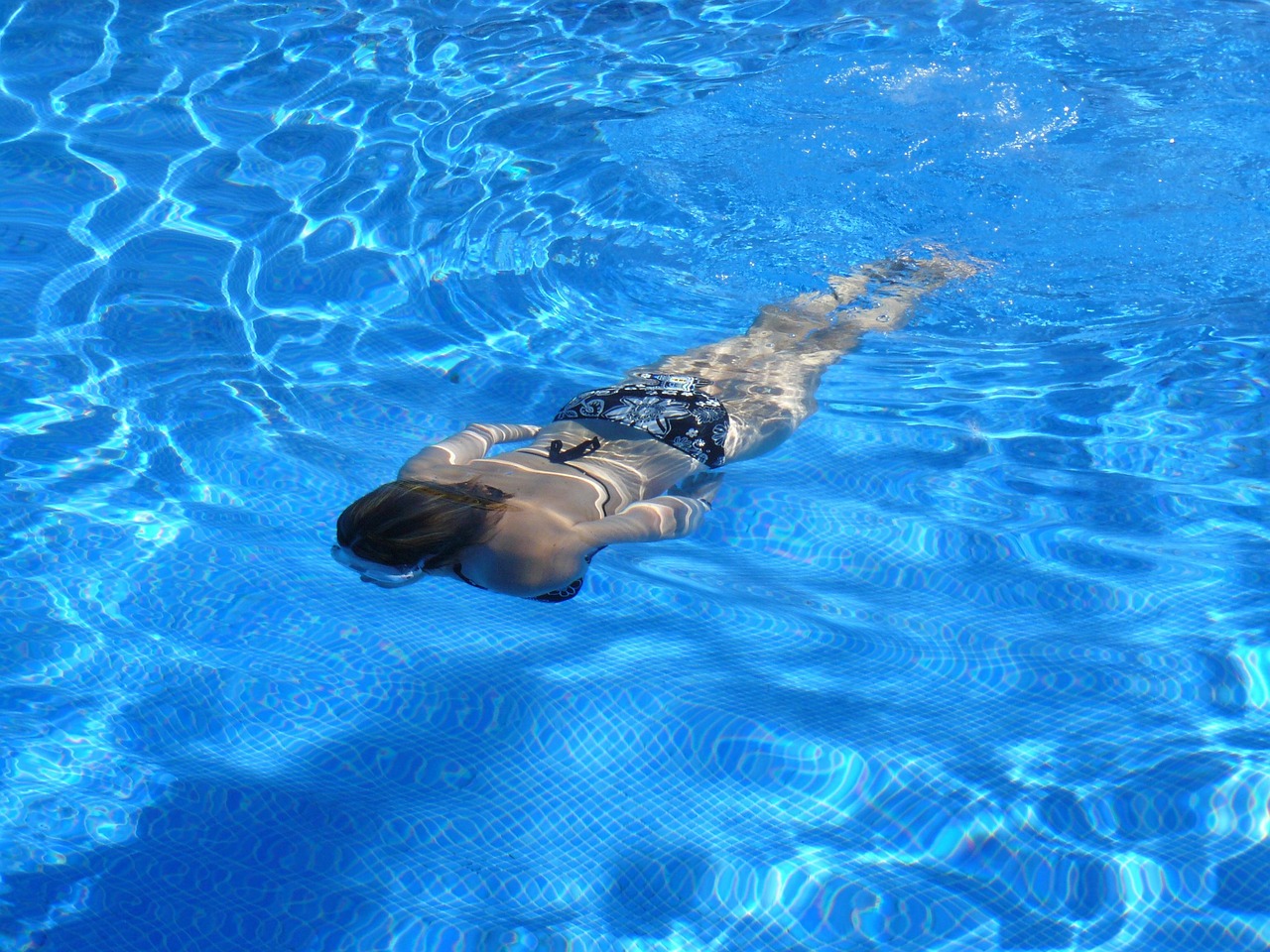
Schizophrenia is a complex mental disorder that impacts how an individual thinks, feels, and behaves. Symptoms often include hallucinations, delusions, and cognitive challenges. While conventional treatments like medication and therapy are crucial, adjunct therapies such as swimming can also significantly alleviate its symptoms. Swimming is a low-impact, enjoyable exercise, ideal for those experiencing various challenges associated with schizophrenia. It provides a sense of freedom, therapeutic effects due to water buoyancy, and minimizes the risk of injury, which is beneficial for people dealing with reduced coordination. Moreover, engaging with swimming encourages social interaction, which can help combat feelings of isolation that many individuals with schizophrenia experience. The rhythmic aspects of swimming may produce calming effects and enhance body awareness, promoting better self-regulation. Beyond physical well-being, the experience of water can evoke a meditative state that exemplifies peace and relaxation. This article explores the profound effects swimming can have on individuals coping with schizophrenia.
The Benefits of Swimming for Mental Health
Swimming offers numerous benefits for mental health, particularly for individuals managing schizophrenia. Firstly, the act of swimming stimulates the production of endorphins, which are natural mood elevators. Physical activity, such as swimming, can reduce anxiety and depression, feelings often experienced by those living with schizophrenia. Secondly, the rhythmic motions involved in swimming can enhance focus and mindfulness. This focus not only diverts attention from distressing thoughts but also fosters a sense of accomplishment. Additionally, swimming helps in regulating sleep patterns, which can be particularly erratic for individuals experiencing mental health challenges. Engaging in this activity leads to fatigue that promotes better sleep, thereby improving overall mental well-being. Furthermore, being in the water provides a unique sensory experience that calms the nervous system. This environment may also be less overwhelming and provide a soothing contrast to the high stimulation often found in everyday life. By combining physical activity with such profound sensory experiences, swimming plays a vital role in managing the symptoms of schizophrenia and enhancing the quality of life for those affected.
The social aspect of swimming cannot be overlooked when discussing its benefits for individuals with schizophrenia. Group swim classes or simply sharing a pool environment can foster positive social interactions. Interacting with peers in a relaxed setting helps diminish social anxieties commonly experienced by those with schizophrenia. Engagement in group activities teaches communication skills, promotes trusting relationships, and develops a support network among participants. By adapting to the rhythms of the water alongside others, individuals can also learn the importance of teamwork and cooperation. This builds confidence and self-esteem, which can often be compromised in individuals with schizophrenia. Moreover, many local communities offer programs aimed specifically at mental health awareness in a swimming context. This can provide opportunities for tailored support and create familiarity with certain resources. Many aquatic facilities may even have professionals trained to understand the needs of individuals with mental disorders. These community programs emphasize connection, acceptance, and understanding, aiding individuals in navigating their condition through the supportive lens of the swimming environment.
Water as a Therapeutic Medium
Water therapy has gained recognition for its therapeutic effects on mental health, with swimming serving as a powerful vehicle for healing. Being submerged in water can instantly produce floating sensations that ease muscle tensions and stress. These benefits contribute to an overall feeling of well-being, reducing the severity of symptoms associated with schizophrenia. Swimming enhances proprioception, which is the body’s ability to sense its position. This awareness can improve body image and foster self-acceptance, both of which are helpful for those challenged by various symptoms of their condition. Additionally, swimming is often accompanied by breathing exercises, which are essential for relaxation and overall mental clarity. Controlled breathing in water can teach individuals how to manage anxiety and promote grounding techniques helpful during episodes of distress. The quietness of the aquatic environment also allows for introspection, creating cognitive space to process emotions. Consequently, the therapeutic aspects of water become central in navigating the complexities of schizophrenia and mitigating its symptoms effectively.
Moreover, swimming can help empower individuals with schizophrenia by promoting routines that symbolize control and structure. Engaging in regular swimming sessions provides predictability, which is beneficial for enhancing stability in daily life. Setting achievable goals related to swimming can instill a sense of achievement, helping individuals to focus on their progress. This positive reinforcement encourages resilience and motivates ongoing participation in physical activity. Additionally, developing a personal swimming routine can assist individuals in tracking their moods and symptoms. Evaluating these experiences creates a reflection tool that individuals can utilize to recognize triggers and patterns associated with their mental health. Engaging regularly with swimming can facilitate a healthy lifestyle that intertwines physical and mental health, promoting overall wellness. This wellness encompasses not only physical improvements but also emotional and psychological benefits. Practicing swimming cultivates discipline, perseverance, and resilience, empowering individuals as they navigate their unique journeys through living with schizophrenia. Establishing this synergy between body and mind can ultimately lead to hopeful outcomes.
Barriers to Swimming for Individuals with Schizophrenia
Though swimming presents numerous benefits, barriers do exist for individuals with schizophrenia in accessing this activity. Mental health symptoms can create significant challenges, leading to low motivation or lack of energy to participate in swimming. Additionally, financial constraints may limit access to facilities—many local pools charge fees that might be difficult for individuals on fixed incomes or disability benefits. Limited knowledge about the mental health benefits of swimming may also prevent individuals from engaging with this form of exercise. Furthermore, transportation issues may hinder regular attendance at swimming facilities. In some areas, public transportation is not convenient or accessible for individuals dealing with the effects of schizophrenia. Moreover, some individuals may have negative past experiences related to swimming, such as bullying or trauma. These can lead to a reluctance to return to pool settings. It is essential to recognize these barriers actively, promoting accessibility, affordability, and supportive environments tailored for individuals with schizophrenia. Increased awareness and community programs could help bridge these gaps, providing necessary resources for those wanting to embrace swimming as an avenue for healing.
In conclusion, swimming serves as a multifaceted tool in alleviating symptoms of schizophrenia while enhancing overall mental health. The activity promotes physical fitness, social engagement, and emotional stability, making it a valuable adjunct to traditional mental health treatments. While there are barriers to access, addressing these limitations can significantly improve accessibility and outcomes. Promoting awareness of swimming’s mental health benefits can encourage participation among individuals with schizophrenia, empowering them to take charge of their well-being. Communities must foster inclusive opportunities that engage individuals in transformative swimming experiences. Moreover, the coherence between mental and physical health provides a robust framework, helping individuals deal with their challenges effectively. Encouraging collaborations among mental health professionals, community centers, and swimming facilities could lead to innovative programs that support those living with schizophrenia. Through ongoing support, understanding, and resources, swimming can become a transformative experience that profoundly impacts the lives of those affected by this condition. Ultimately, embracing swimming brings hope, health, and healing into lives that often feel isolated and overwhelmed.