
How to Meal Prep for Long Training Days
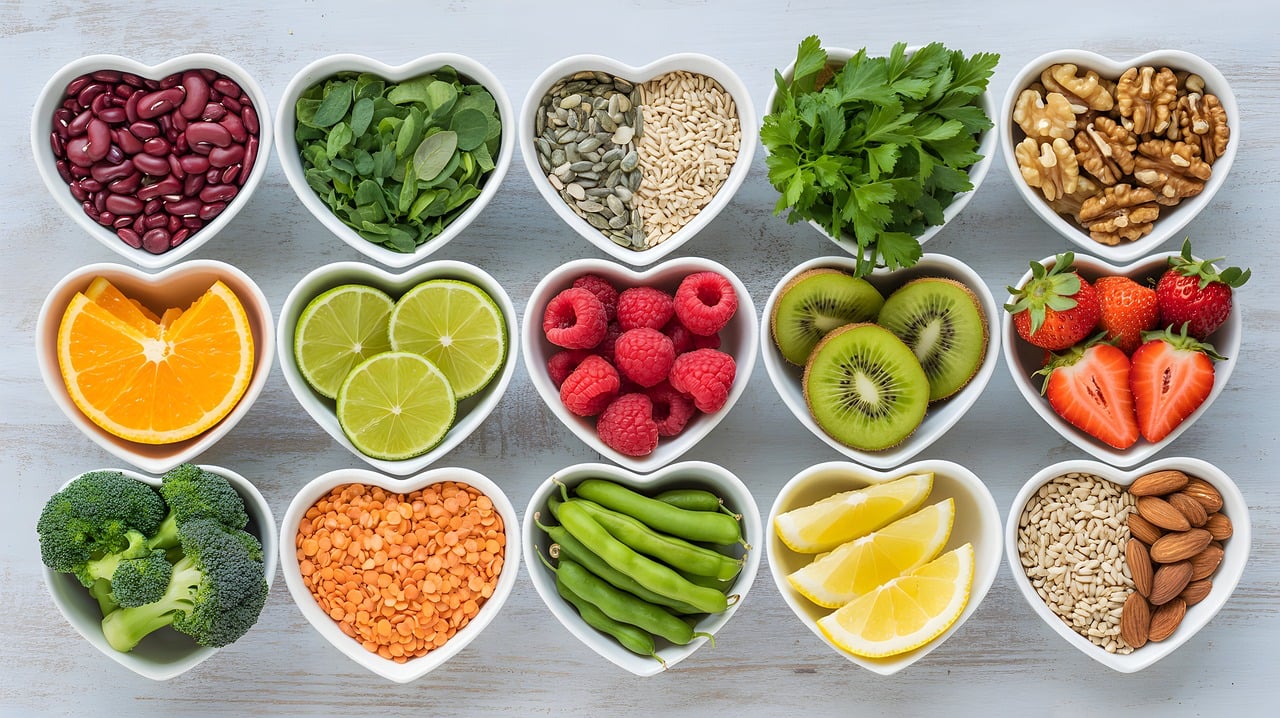
Meal prepping is essential for athletes facing long training days. Proper nutrition fuels performance and recovery. Begin by assessing your training schedule and determining the nutritional needs based on intensity and duration. Preparing meals in advance not only saves time but also ensures you have nutritious foods available during your hectic training sessions. Choose a variety of foods such as lean proteins, whole grains, fruits, and vegetables to create balanced meals. Meal prepping can cut down on impulse eating and unhealthy choices. Use dedicated containers to portion your meals, ensuring each one meets your individual dietary requirements. Having pre-packed meals on hand helps avoid delays in meals and encourages proper fueling before and after intense workouts. Remember to include snacks that align with your training goals. Snacks like energy bars, fruits, and nuts can sustain energy levels throughout long training sessions. Overall, a well-planned approach to meal prep can enhance your training by providing your body with the necessary nutrients to perform optimally and recover effectively. To maximize the benefit, adjust your meals based on each specific day’s training needs.
When planning your meals, it’s essential to incorporate a balance of macronutrients that supports endurance and strength training. Focus on:
- Carbohydrates: To provide energy before and during workouts.
- Proteins: For muscle repair and recovery post-exercise.
- Fats: To help with overall energy levels and nutrient absorption.
Consider using a meal prep strategy that includes batch cooking on your day off. This allows you to prepare a bulk of grains, proteins, and roasted vegetables that you can mix and match throughout the week. Pre-cooked quinoa, brown rice, or sweet potatoes are excellent base options. Choose lean proteins like chicken breast, turkey, or legumes. Additionally, vegetables can be seasoned, roasted, or grilled to enhance flavors without adding unhealthy fats. Store meals in clear, labeled containers to make it easy to grab and go. Also, plan hydration to avoid dehydration during training by incorporating fluid every couple of hours. Keeping track of your nutrition will help maximize your performance potential in this sport.
Timing Your Nutrition
Proper timing of meals and snacks is as critical as meal prepping itself. Timely nutrition ensures your body receives essential nutrients at optimal times for recovery and performance. A good guideline is to eat a balanced meal containing carbohydrates and protein about two to three hours before training. This ensures that your body has enough energy readily available. Closer to training sessions, consider quick carbohydrates for a final energy boost. Fruit like bananas or a small energy bar is quick and portable. After training, prioritize protein and complex carbohydrates within thirty minutes for recovery. This helps in replenishing glycogen stores and promotes muscle repair. An easy option is a smoothie made with protein powder, fruits, and nut butter. Consuming a protein-rich meal or snack post-training can significantly reduce muscle soreness. It revitalizes your body, preparing you for your next session. To facilitate this process, practicing good organizational skills during meal prep can help create a habit of eating on schedule. Include reminders for snacks and post-workout meals to keep everything aligned with your training plans.
Another aspect to consider during meal prep is dietary preferences and any specific food allergies you may have. Keeping your meals enjoyable will encourage adherence to your nutrition plan. Explore various cuisines to prevent meal fatigue. You could try Mexican, Asian, or Mediterranean-inspired dishes to spice up your menu. Try incorporating popular ingredients such as quinoa, chickpeas, or lentils, which offer versatility and nutrition. Planning versatile recipes will allow you to use one ingredient across various meals throughout the week while minimizing food waste. Experiment with herbs, spices, and healthy cooking methods like grilling or steaming to enhance flavors without adding calories. You might discover new favorite dishes that better complement your nutritional plan. Furthermore, consider involving friends or family members in the meal prepping process. Cooking together can create a fun and collaborative experience while ensuring that everyone has foods aligned with their personal goals. Having support can boost motivation when managing meals during long training days. The social aspect helps in psychological adherence to a regimen that can be challenging physically and mentally.
Storing and Reheating Meals
Proper storage techniques are vital for keeping your prepared meals fresh during training weeks. Using airtight containers not only prolongs the freshness of your meals but also prevents cross-contamination. Choose BPA-free plastic or glass containers to store your meals as they resist staining and odors, ensuring that your dishes maintain quality until you’re ready to eat them. Label each container with the date of preparation to monitor freshness. When reheating meals, consider using a method that preserves texture and flavor—whether in the microwave, oven, or on the stove. If reheating in the microwave, use a microwave-safe container and cover it to keep moisture while preventing splatters. Reheating in a skillet or oven may provide a crisp texture that enhances the appeal of the meal. Also, consider dividing large batches into smaller portions to allow for quicker reheating when needed. This way, you can save time and consume fresh meals more flexibly, especially on jam-packed training days. A well-stored meal can make the difference between a nutritious meal and a fast food pit stop.
Incorporating variety in your meal prep will keep your diet stimulating and enjoyable. Avoid monotony by rotating different proteins, grains, and vegetables each week. This diversification ensures a broad spectrum of nutrients and decreases the odds of developing dietary fatigue. Try exploring seasonal produce to inspire your weekly meal prep session, ensuring you capture fruits and vegetables at their peak flavor and nutritional quality. Seasonal foods may also be more affordable, allowing for budget-friendly eating while enhancing meal diversity. Every few weeks, swap recipes to give your meal prep a refreshing twist and prevent boredom. Keep experimenting with new cooking techniques and ingredients to keep your palate engaged. This could include trying out new cuisines, exploring plant-based protein sources, or incorporating different international spices. Seek inspiration from cookbooks, blogs, or social media to help you discover innovative meals that align with your nutritional objectives. Keep notes on what you enjoy the most and what gives you the best physical response during your training sessions. This is a logbook of success that continually optimizes your nutrition strategy during those intense training days.
Conclusion
In summary, meal prepping for long training days is a powerful approach to optimizing athletic performance and ensuring proper nutrition. By planning meals ahead of time, athletes can improve recovery, support endurance, and enhance physical performance. Focus on a balanced inclusion of carbohydrates, proteins, and fats while being mindful of timing and variety in your meals. Pay attention to hydration and experiment with different cuisines and recipes to keep meals enjoyable. Understand the importance of proper storage and reheating methods to maintain the integrity of your meals. Collaborating with others during meal prep can make the process more enjoyable and less daunting. Remember to document your preferences and feedback on meals to create an effective regimen personalized for your training needs. Consistency in meal prep ensures that healthy eating becomes a habit that seamlessly fits into your training lifestyle. Overall, embrace meal prep as a means of enhancing both physical and mental performance, allowing you to tackle those long training days with energy, resilience, and enthusiasm.
Nutrition Resources
To further support your meal prepping for long training days, consider utilizing nutrition resources and tools that can aid in planning effective meals. Online platforms and nutrition apps such as MyFitnessPal and Lose It! can help track dietary intake and monitor macronutrient ratios. Additionally, consulting with a registered dietitian or nutritionist can provide more personalized advice tailored to your unique needs as an athlete. They can help create a detailed meal plan based on your training schedule and specific dietary requirements. Furthermore, books dedicated to sports nutrition offer insights into effectively fueling your body while training. Some recommended literature includes “The Sports Nutrition Playbook” and “Eat to Win,” both filled with practical advice and meal prep strategies. Websites like the Academy of Nutrition and Dietetics also boast extensive resources on meal prepping and sports nutrition. Understanding how to use these tools can empower you to take control of your dietary habits and approach your training with the confidence that you are well-fueled. With the right resources and meal prep strategies, you’ll set yourself up for success in your training regimen.