
Improve Respiratory Health with Controlled Bodyweight Routines
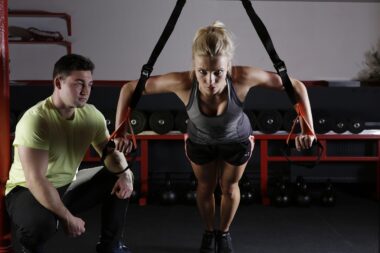
Bodyweight training is an effective method for enhancing respiratory health. This form of exercise utilizes a person’s weight for resistance, which can help to strengthen the muscles involved in breathing. By engaging in controlled bodyweight routines, individuals can optimize lung function and increase stamina. Exercises such as push-ups, squats, and planks require coordination and stability, encouraging effective breathing. Moreover, during these workouts, the body demands more oxygen, promoting deeper and controlled breaths while improving overall oxygen exchange efficiency. When the diaphragm and intercostal muscles are strengthened, participants may find it easier to breathe. As a result, a consistent bodyweight program can lead to reduced breathlessness and enhanced endurance in everyday activities. Additionally, individuals seeking to maintain a healthy respiratory system can benefit from tailored routines that focus on form and breathing patterns. This mindful practice can significantly reduce stress and improve mental clarity. It is crucial to remember that listening to one’s body is critical during these exercises. Adjusting exercise intensities accordingly can maximize benefits while minimizing injury risk.
Incorporating breathing exercises with bodyweight training can further amplify respiratory benefits. Techniques such as diaphragmatic breathing allow for increased lung capacity and efficiency. Performing exercises like lunges coupled with deep breaths can enhance blood circulation and oxygen delivery. When respiratory muscles are actively engaged, it encourages better airflow during physical activity. This integration of breath control with movement helps to refine one’s focus on breathing and can be achieved through mindful, repetitive practices. An added advantage is that better respiratory health can lead to enhanced athletic performance. Those who regularly engage their respiratory system during workouts can experience improved recovery times and reduced fatigue. When the body receives sufficient oxygen, the muscles work more efficiently. A well-trained respiratory system also supports metabolic processes, ensuring that energy is produced effectively. Furthermore, doing bodyweight exercises outdoors can provide additional benefits. Fresh air can stimulate and invigorate, promoting respiratory function while enhancing the overall workout experience. Thus, combining bodyweight exercises with deliberate breathing techniques presents a holistic approach to improving respiratory health.
Engaging in Mindful Breathing
Mindful breathing during bodyweight exercises cultivates greater awareness of body mechanics. Practicing rhythmic breathing can maximize oxygen consumption, ensuring that all muscle groups receive adequate nourishment during workouts. Consequently, this leads to improved physical performance and endurance. For example, during a set of planks, synchronizing inhalations and exhalations with movement can yield substantial benefits. The act of inhaling deeply when preparing to exert force and exhaling during exertion lays the groundwork for effective airflow management. This mindful practice enhances focus, helping participants maintain posture and alignment, ultimately leading to better results. Additionally, concentrating on breath can serve as an effective mental anchor during challenging workouts. Rather than succumbing to fatigue, individuals can redirect their focus to their breathing patterns. This shift not only increases mental resilience but can also make workouts more enjoyable. The incorporation of breath control exercises into routine workouts fosters greater emotional stability as well. As stress levels decrease, the body performs more harmoniously. This positive feedback loop enhances the effectiveness of bodyweight workouts while promoting overall wellness.
In situations where individuals struggle with respiratory issues, bodyweight training can be adapted. For someone with asthma, inclusion of gentle exercises can help improve lung function. Activities focused on controlled movements allow time for breath control and can introduce a safe way to increase physical capacity. Good form and pacing are essential, thus reducing any strain on the respiratory system during exertion. Individuals may wish to consult healthcare providers to adapt exercises best suited for them. Leveraging supportive communities can also be beneficial. Online forums or local exercise groups can provide encouragement and share various methods to stay motivated. Participants should always ensure proper warm-up and cool-down routines are included in their sessions. This approach is critical for achieving long-term success in maintaining respiratory health through bodyweight training. Accessing instructional resources or videos can help in learning the correct techniques. Gradually increasing exercise intensity allows individuals to build their capabilities over time. Remembering to hydrate and manage environmental factors, such as air quality, can further bolster respiratory function during workouts.
Comprehensive Health Benefits
Consistency in bodyweight training not only amplifies respiratory strength but offers numerous comprehensive health benefits. One can effectively increase mobility, flexibility, and overall muscular endurance. Improved respiratory function translates into greater overall efficiency for daily activities, and physical tasks become less daunting. Engaging in a well-designed routine can also help regulate blood pressure and improve cardiovascular health. A robust cardiovascular system supports healthy lung function, further reinforcing the importance of balanced exercise. Therefore, combining strength, flexibility, and cardio through bodyweight exercises promotes holistic fitness. Additionally, working out in a group environment can foster camaraderie, providing both motivation and accountability. This social aspect encourages continued participation in physical activities and helps maintain a healthy lifestyle long-term. As individuals witness progress in their respiratory endurance, they often feel empowered to set and achieve new fitness goals. Feelings of accomplishment contribute to improved mental health, and the positive mind-body connection adds additional purpose to their workouts. Establishing a routine that encompasses bodyweight exercises can pave the way for improved quality of life and increased energy levels.
To summarize, the benefits of bodyweight training extend significantly, particularly in terms of respiratory health. Controlled routines that incorporate mindful breathing offer individuals a unique opportunity to connect with their body. Strengthening respiratory muscles can lead to better physical performance and endurance. Additionally, such exercises empower individuals to engage in effective functional movements, ultimately improving their quality of life. Mindful breathing enhances focus and reduces the perception of effort during workouts, providing an effective strategy for maintaining motivation and performance. Individuals are encouraged to explore different bodyweight exercises and observe their own responses to various techniques. Consistency is critical for achieving lasting results, as outcomes may not be immediately visible. Progress may include increased ability to take deep, fulfilling breaths or enhanced stamina during physical activities. As bodyweight training becomes a staple in one’s routine, participants may notice improved recovery times and less fatigue. It is vital to recognize the positive domino effect that enhanced respiratory health can have on one’s general well-being. Individuals looking to invigorate their exercise regimen should consider the dynamic and impactful world of bodyweight exercises.
Integrating Bodyweight Training into Your Life
With its myriad benefits, integrating bodyweight training into daily life can be an empowering journey. Individuals can start with short workouts focusing on form and breath, gradually building frequency and duration as their comfort expands. Scheduling regular training sessions can establish a vital exercise habit, promoting accountability both individually and socially. Targeting multiple muscle groups during routines will provide a comprehensive workout, enhancing functional fitness. Incorporating bodyweight exercises into existing schedules means little equipment is necessary, making this approach a viable option for all. For those with busy lifestyles, these exercises can often be performed at home, requiring minimal time and space. Planning workouts around one’s schedule provides flexibility and encourages consistency. As individuals discover the freedom and empowerment that comes with bodyweight training, they may also find community support through local or online group sessions. Engaging with others can transform routines into shared experiences, providing motivation and enhancing enjoyment. Remembering to set realistic expectations will help sustain progress, celebrating small victories along the way as participants deepen their journey toward improved respiratory and overall health.
In conclusion, the multifaceted benefits of bodyweight training, particularly for respiratory health, are compelling. By integrating mindful breathing techniques into diverse exercises, individuals can significantly enhance lung function and physical resilience. The emphasis on proper form and controlled movements not only improves respiratory strength but also fosters a greater connection between body and mind. Gradually introducing challenges allows for sustainable growth, making this training approach accessible to individuals of all fitness levels. Furthermore, community involvement, whether online or in person, can bolster motivation and encourage consistent practice. Supplements such as hydration, proper warm-up, and cool-down routines all contribute to optimal performance and recovery. Encouraging family and friends to join can create an inclusive environment that makes fitness a lifestyle choice. Each small accomplishment improves confidence and inspires individuals to set ambitious fitness goals. In turning bodyweight training into a lifelong habit, participants pave the way for long-term health benefits, including enhanced respiratory and overall physical performance. This creates a fulfilling experience centered on personal growth and well-being, leading to a more vibrant and active lifestyle.