
Exercise Science Insights into Physical Activity Adaptations for Chronic Conditions
Understanding the role of exercise science in addressing chronic conditions is pivotal for effective management and rehabilitation. Exercise science offers scientific knowledge that assists professionals in tailoring physical activity programs to meet the unique needs of individuals with chronic conditions. These conditions can include arthritis, heart disease, diabetes, and obesity. Adapted physical activity is a vital aspect that involves modifying exercises to improve functional capacity and promote health in these populations. The application of exercise science ensures that activities are designed to be safe, effective, and enjoyable. It allows practitioners to evaluate various factors, such as the individual’s medical history, fitness level, and personal preferences. Such a holistic approach empowers individuals to engage in physical activity that enhances their quality of life. Moreover, it helps them achieve fitness goals, contributing to physical and emotional well-being. By promoting an active lifestyle through adapted physical activity programs, health professionals can combat the sedentary behavior prevalent in these populations, ultimately mitigating the risk of secondary health complications arising from chronic conditions.
The Importance of Personalized Exercise Programs
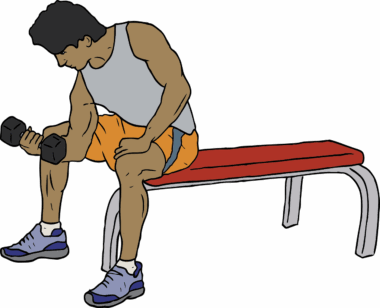
Creating personalized exercise programs for individuals with chronic conditions is essential for maximizing benefits while minimizing risks. By incorporating various components such as endurance, resistance, flexibility, and balance training, exercise enthusiasts can address and improve specific limitations. For instance, individuals with joint issues may benefit from low-impact aerobic activities like swimming or cycling, which reduce joint stress while promoting cardiovascular fitness. Strength training exercises are particularly useful in enhancing muscle strength and joint stability, which is crucial for individuals experiencing symptoms like fatigue and weakness. Furthermore, flexibility and balance exercises significantly reduce the risk of falls and injuries. When designing these personalized programs, it’s crucial to consider the individual’s preferences and motivations. This ensures adherence to the program, making it more sustainable over time. The role of health and fitness professionals cannot be overlooked; they must guide individuals in executing exercises correctly to maximize benefits and prevent injuries. Regular evaluations and progress assessments also enable necessary adaptations to keep the exercise routine relevant and effective. Personalized exercise plans are crucial for empowering individuals to take control of their health and improve their physical capabilities.
Research has consistently shown that regular participation in adapted physical activity can help manage the symptoms associated with chronic conditions. Individuals often experience anxiety, depression, and low self-esteem due to their health challenges. Incorporating physical activity can enhance mood and overall mental well-being. Engaging in regular exercise releases endorphins, which are hormones responsible for feelings of happiness and euphoria. For individuals with chronic conditions, outdoor activities or group fitness classes can also foster social interactions. This aspect can significantly improve their outlook on life, reinforcing a sense of community and belonging. In turn, increased physical activity levels can lead to weight management, improved cardiovascular health, and better control of blood sugar levels for those with diabetes. The holistic outcomes of incorporating adapted physical activity into daily routines extend far beyond mere physical health. They also include enhanced social support, improved body image, and increased motivation to maintain healthier lifestyles. As such, health professionals play a critical role in delivering these insights and strategies, making it easier for individuals to embrace these life-changing habits without the fear of exacerbating their chronic conditions.
Overcoming Barriers to Physical Activity
Despite the clear benefits of adapted physical activity, barriers often prevent individuals from participating. Common barriers include lack of access to facilities, inadequate knowledge about safe exercises, and misconceptions regarding the appropriateness of physical activity for certain chronic conditions. For instance, many individuals believe that they should avoid exercise altogether if they experience pain or discomfort. This misconception is not only inaccurate but can lead to increased physical limitations and a decrease in overall health. Therefore, educating individuals about the importance of physical activity is vital to overcoming these obstacles. Furthermore, providing accessible options for exercise, such as community classes or home-based programs, can encourage participation. Health professionals also need to foster a supportive environment in which individuals feel safe to express their fears and concerns about exercise. Addressing these barriers allows for individualized solutions and creates a more inclusive approach to physical activity. Empowering individuals with the knowledge and resources necessary to engage in physical activity ensures that they can make informed decisions regarding their health. Ultimately, breaking down barriers to physical activity is crucial in transforming the lives of those with chronic conditions.
In addition to personal barriers, systemic issues may also impede access to adapted physical activity. Healthcare systems must recognize the importance of integrating physical activity into chronic disease management paradigms. Insurance coverage often focuses heavily on medication and doctor visits, neglecting the role of preventive care like exercise. As healthcare costs continue to rise, an emphasis on physical activity can significantly reduce overall expenditures associated with chronic conditions. Policymakers should advocate for legislation that supports physical activity initiatives, providing funding for community programs that cater to individuals with special needs. Moreover, creating awareness campaigns emphasizing the benefits of exercise can motivate individuals and families to embrace healthier lifestyles. Community involvement remains essential in this respect, allowing local organizations to promote fitness programs tailored for diverse populations. Schools and workplaces also play critical roles by fostering environments that encourage physical activity throughout the day. Collective action at all levels will foster a culture that prioritizes health and wellness. Thus, integrating adapted physical activity throughout society is crucial, ensuring that individuals can access the necessary resources to participate in physical activities that enhance their health and wellbeing.
Monitoring and Evaluation of Progress
Monitoring and evaluating the progress of individuals engaging in adapted physical activity is crucial for ensuring continued success and motivation. Regular assessments allow health professionals to identify achievements and set new goals, contributing to a sense of accomplishment among individuals. Utilizing tools such as fitness trackers and journals can help individuals maintain their focus and reflect on their progress over time. Additionally, fitness assessments can provide valuable insights into areas requiring improvement, allowing for tailored adjustments to exercise programs. It is essential to celebrate milestones, no matter how small, as this reinforces positive behaviors and encourages ongoing participation. Furthermore, maintaining open communication between individuals and health professionals fosters trust and empowers individuals to share their experiences and challenges. This dialogue can help address concerns and enhance motivation for continued engagement in physical activity. A sense of accountability and support is instrumental in ensuring individuals remain on track and invested in their health journeys. As progress monitoring becomes a routine practice, individuals can gain a better understanding of the impact of adapted physical activity on their overall well-being, leading to more sustainable lifestyle changes.
Finally, to foster long-term engagement in adapted physical activity, promoting a growth mindset is essential. Individuals with chronic conditions must be encouraged to view challenges as opportunities for growth rather than insurmountable obstacles. Fostering resilience and a positive outlook can significantly impact their ability to remain physically active amidst difficulties. Educators and health professionals should emphasize the importance of consistency and patience while celebrating small wins. Exposing individuals to various physical activities may also spark interest and excitement, allowing them to discover forms of exercise that they genuinely enjoy. This approach can transform exercise from a chore into a joyful experience, significantly impacting overall commitment. Furthermore, integrating family and social support into physical activity routines can provide additional motivation and encouragement. By surrounding individuals with positive influences and fostering a supportive network, they can feel empowered in their health journeys. The long-term success of adapted physical activity lies in instilling an intrinsic motivation to maintain a physically active lifestyle. Ultimately, combining education, support, and positive reinforcement will yield tremendous benefits for individuals living with chronic conditions, enhancing their quality of life and overall well-being.