
Virtual Coaching and Real-Time Feedback in Adaptive Fitness
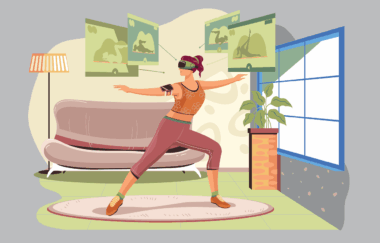
Adaptive fitness has evolved significantly, integrating technology to support individuals with disabilities through initiatives like virtual coaching. This approach allows personal trainers to deliver tailored workouts dynamically via video conferencing software. Trainees can experience adaptable routines accommodating specific disability challenges, fostering individualized and effective fitness journeys. Virtual coaching provides numerous advantages, notably the onset of real-time feedback during sessions. With functions utilizing motion-sensing cameras, trainers can observe biomechanics, ensuring that clients maintain proper form while exercising. This proactive support minimizes injury risks while helping individuals progress toward achieving fitness goals. Moreover, it ensures that users remain motivated, fostering better adherence to fitness regimens. Clients can participate at home or other preferred environments, breaking down traditional barriers to fitness derived from transportation and social anxiety. Technology continues to push boundaries in fitness, giving rise to platforms where users can engage in community workouts with peers globally. As an inclusive approach, virtual coaching allows individuals to connect with trainers and fellow participants, cultivating a sense of community. With ongoing advancements, adaptive fitness stands to revolutionize how individuals with disabilities engage in physical activities, promoting independence and better health outcomes.
The Role of Feedback in Enhancing Performance
Real-time feedback is pivotal for optimizing the performance of clients engaged in adaptive fitness programs. Feedback mechanisms provide insights into exercise execution, enabling immediate adjustments that improve overall effectiveness and safety. By utilizing wearable fitness technology, trainers can monitor heart rates, calories burned, and exercise intensity levels to offer precise improvements during workouts. This data-driven method empowers trainers and clients to analyze performance metrics comprehensively. The adaptability of virtual environments means trainers can modify exercise intensity and complexity based on immediate feedback, fostering efficient workout adaptations. Clients acquire confidence as they receive commendations on their skill developments and identify areas requiring focus. Effective feedback channels could include verbal communication along with visual indicators that display key performance indicators. As technology emphasizes data collection, clients are more in control of their fitness journeys. They become actively aware of their achievements and setbacks, creating a foundation for sustainable lifestyle changes. Additionally, cloud-based platforms offer platforms for tracking progress over time, revealing patterns informing tailored adjustments in fitness plans. Such feedback practices in adaptive fitness pave the way for innovative strategies that centralize user experience and optimize personalized coaching.
The different modalities of training offered within virtual fitness coach platforms enhance the adaptive nature of exercise regimens for individuals with disabilities. For instance, trainers can implement a combination of strength training, cardio, and flexibility routines adaptable to various physical capabilities. Resources such as guided video classes allow users to choose workouts that fit their specific needs. Many platforms also employ advanced algorithms to curate personalized workout suggestions based on clients’ progress and preferences. This individualized planning helps clients maximize their engagement while minimizing the risk of frustration from overly strenuous routines. Moreover, integrating mindfulness and meditation elements helps address mental well-being, promoting a holistic approach to fitness. By prioritizing physical and mental health in adaptive coaching, clients are likely to achieve a more balanced lifestyle. Furthermore, trainers can leverage community features on these platforms, creating social elements enhancing motivation. Users can share their progress or participate in group challenges that promote friendly competition. The blending of physical training and social interaction enhances commitment while reinforcing the principle of mutual support within the adaptive fitness community, fostering stronger bonds among participants aiming for shared goals.
Another emerging trend in adaptive fitness is the use of artificial intelligence (AI) to further personalize virtual coaching experiences. AI-driven platforms can analyze user data comprehensively, enabling the customization of workouts based on performance history, individual preferences, and physical assessments. This data-driven approach enhances the applicability of adaptive fitness solutions. By understanding users better, AI can provide suggestions that adapt in real-time to changing energy and motivation levels. Additionally, AI can help trainers in identifying potential injury risks by analyzing biomechanics during workouts. This preventative measure allows trainers to recommend specific modifications and adjustments efficiently, helping clients practice safe exercise methods. Beyond physical capabilities, AI can be programmed to initiate proactive behavioral nudges, such as reminders and motivational tips that align with users’ goals. The implementation of AI also nurtures inclusivity since individualized plans can better cater to a diverse array of disabilities. As AI continues to advance, we can predict adaptive fitness strategies that increasingly leverage predictive analytics to enhance user engagement while optimizing performance and health outcomes. Overall, these technological advancements represent the future of adaptive fitness coaching systems.
Incorporating Community and Support Networks
Building a supportive community is vital in enhancing the effectiveness of adaptive fitness programs. Virtual coaching platforms that prioritize community engagement significantly improve participants’ experiences through shared motivation and encouragement. When clients connect with peers sharing similar challenges and goals, they gain additional support not rediscovered in traditional fitness environments. The social dynamics fostered through online platforms create safe spaces for candid discussions around disabilities and fitness journeys. Participants can share tips, triumphs, and challenges with one another, cultivating an interpersonal network of understanding and compassion. Many platforms incorporate forums, chat rooms, and social media elements to enhance these communal connections. Coaches and trainers also contribute to building relationships by facilitating interactions among clients. Such community-driven efforts inspire collaboration and accountability, leading to long-lasting commitment to fitness plans. Furthermore, group sessions conducted via live-streaming create an engaging experience where clients not only receive guidance but witness collective progress within their community. Communities around adaptive fitness ultimately empower each individual, ensuring personal success is celebrated and difficulties navigated collectively. This momentum reinforces the sense of belonging while learning that fitness does not have to be a solitary pursuit.
Another pivotal aspect of advancing adaptive fitness is ensuring that technology remains accessible and user-friendly. A successful implementation of virtual coaching requires inclusive platforms tailored for users with varying levels of technological proficiency. Simplifying navigation and ensuring comprehensive onboarding processes helps facilitate active participation from all clients, regardless of experience with fitness technology. Training sessions may include tutorials and step-by-step guidance on how to utilize app features effectively. Continually upgrading platforms is essential, focusing on user feedback to create seamless experiences. Accessible functionalities, like voice commands and screen-reader compatibility, eliminate barriers faced by individuals with visual impairments or mobility challenges. Moreover, prioritizing support resources is crucial for addressing common user inquiries and technical problems promptly. By providing adequate customer service tailored to adaptive fitness, companies can engender trust and satisfaction among clients. Education around adaptive fitness also plays a role in demystifying technology’s role in improving health. Emphasizing the relationship between technological tools and health outcomes encourages individuals with disabilities to embrace these innovations. Ultimately, ensuring accessibility, education, and support constitutes a foundation for the successful implementation of adaptive fitness technologies.
The Future of Adaptive Fitness and Well-Being
The continued growth and adaptation of fitness strategies for individuals with disabilities signal an optimistic future filled with possibilities. As adaptive fitness programming enhances through emerging technologies, more inclusive options become accessible to wider populations. Accessibility in fitness not only pertains to physical environment design but also encompasses how programs and platforms engage and support diverse user needs. Future innovations may see further integration of gamification in workouts, where achieving fitness milestones can result in rewards and incentives. This engaging approach could spark enthusiasm and competitiveness, enhancing individual commitment to fitness routines. Additionally, promoting collaborations between fitness tech companies and health psychology experts may yield robust frameworks for developing effective adaptive wellness solutions. As society further recognizes the importance of physical activity among disabled individuals, public resources, organizations, and policies will evolve to support those needs effectively. The adaptive fitness community will continue to thrive as more people choose to participate in programs that align with their goals, aided by prevalent technological advances. Overall, adaptive fitness holds the potential to change lives, foster resilience, and enhance independence for its clients, paving the way for healthier, happier futures.
In conclusion, the landscape of adaptive fitness is rapidly evolving thanks to progress in technology and community-driven initiatives. Virtual coaching, real-time feedback, and access to supportive communities drive personalized fitness experiences that cater to individual needs. These innovative approaches help remove barriers faced by individuals with disabilities while promoting fitness as an achievable aspiration for all. Technological advancements provide users with analytics that inform and elevate their workouts, ensuring continuous adaptations that support consistent progress. The continuous evolution of AI and machine learning will further enhance the integration of technology into adaptive fitness systems. By fostering inclusivity and championing community-building efforts, adaptive fitness opens doors to a healthier and more active lifestyle for everyone. Industry stakeholders must advocate for more accessible resources to keep up with this revolutionary trend. As future generations of individuals with disabilities engage in these programs, we anticipate witnessing positive transformations across multiple dimensions of well-being. Investing in adaptive fitness will also reduce societal stigmas surrounding disabilities by emphasizing capabilities and achievements rather than limitations. Therefore, a commitment to advancing the field is essential for paving the way toward a future where adaptive fitness thrives in a more inclusive society.