
Fun Games That Challenge Children’s Balance and Stability
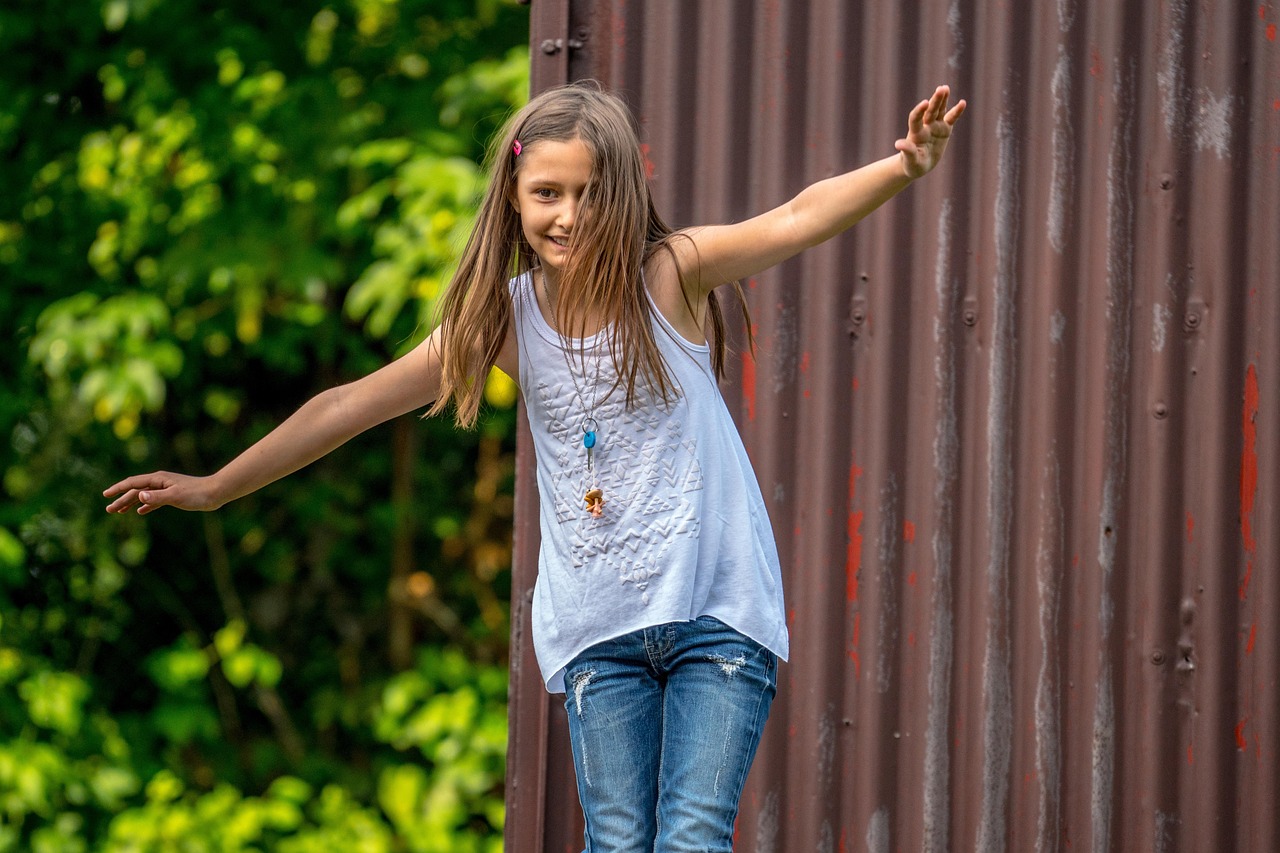
One of the key aspects of children’s physical development is their balance and coordination. Engaging kids in fun activities that challenge these skills can promote their overall health and physical fitness. There are numerous exciting games designed specifically to improve balance, stability, and coordination. Selecting games based on age appropriateness can make a significant impact on their effectiveness. Activities should encourage physical movement while being enjoyable for children. Some popular games include activities like hopscotch, obstacle courses, and balance beams. These types of games not only enhance balance but also foster social interaction among children. Furthermore, incorporating elements of competition can motivate children to push their limits and refine their skills. That’s why it’s imperative to create a safe environment where children can freely explore and engage. Use mats or soft surfaces to ensure safety during play. Always supervise children during these fun activities to prevent injuries. Children who develop balance skills early can translate these abilities into various sports and activities later in life.
Another engaging game that challenges children’s balance is the “Tightrope Walk.” Using a line made from tape or rope, children can practice walking heel to toe while maintaining their balance. This activity not only helps in improving balance but also enhances focus and concentration. Try introducing variations to make it more challenging, such as closing their eyes or adding a guessing game element. Another game is the “Balance Challenge,” where children stand on one leg while performing different tasks, such as tossing a ball or answering questions. This adds a cognitive element, making it more engaging. The game can be played in groups, which promotes teamwork and often leads to laughter and fun. Incorporating timers or scorecards can also foster a competitive spirit while improving stability. Activities in pairs, like “Mirror Moves,” where one child mimics the other’s balance positions, can further enhance stability. Pairing balance games with music can keep energy high, encouraging more extended participation. Games should be altered based on skill levels to ensure everyone feels challenged yet suitably engaged.
Creative Balance Games for Kids
Creative balance games can make a significant contribution to children’s development while being incredibly entertaining. For instance, “Animal Walks” is a fantastic game where kids emulate different animals’ movement patterns. They may hop like a frog, waddle like a duck, or slither like a snake. Doing so internally engages their balance systems and makes for a highly enjoyable game that nurtures coordination. Adding fun elements, like incorporating storylines, can further capture children’s interest. You could create a game called “Balance the Beanbag,” where children try to balance beanbags on their heads while walking or dancing. This activity enhances stability while offering a fun challenge. Setting obstacles to navigate while balancing objects can also provide exciting variations. The use of colorful props like beach balls, hula hoops, or even pool noodles can attract children and make the activities visually appealing. Keeping the energy level high and interacting positively encourages children to take part in these beneficial balance exercises. With creativity, it is possible to turn simple balance exercises into engaging and challenging games that children love.
Outdoor play is another excellent opportunity to incorporate balance-enhancing games. Activities such as “Balancing Rocks” allow children to stack stones or pebbles, focusing their attention on maintaining balance as they build their creations. Such natural activities foster concentration and creativity while benefiting their physical development. Children can be encouraged to create balance sculptures using different items like leaves, cones, or sticks. Setting challenges in the form of time limits can spur them to engage even deeper with the task. Another enjoyable outdoor activity is “Balance Tag,” where one player must maintain balance on one foot while trying to tag others. This game adds a strategic dimension to a physical challenge while promoting teamwork. Outdoor balance challenges can also include games involving swinging, sliding, or climbing on playground equipment. These allow children to naturally explore various movements and develop their balance effectively. Always ensure that children wear appropriate gear and are supervised during these activities. Mixing up different games can provide variety, keeping children interested and continually improving their balance capacities.
The Importance of Consistent Practice
Consistency is key when it comes to developing balance skills in children. Regular practice of balance games can help reinforce and solidify their abilities while enabling progress. Engaging in varied activities regularly can promote not just skill development but also boost self-confidence in children. When children notice improvements, they’re likely to be more motivated to continue practicing. This practice doesn’t have to be lengthy; even short sessions of 15-20 minutes several times a week can be incredibly beneficial. Encouraging children to take ownership of their practice sessions can empower them to strive for improvement. Creating a fun, relaxed atmosphere can make a difference, promoting a willingness to engage. Celebrate milestones together, fostering a sense of achievement and encouraging continued practice. Parents and caregivers can participate to enhance the experience and bond through shared activities. By setting an example and demonstrating balance skills themselves, adults can motivate children. Additionally, providing constructive feedback can help children refine their techniques. Finding games and activities that they enjoy will help maintain interest over time.
Engaging in balance games helps children not only physically but also mentally and emotionally. Fun challenges provide opportunities for children to develop problem-solving skills, strategic thinking, and resilience when faced with obstacles. Through play, they learn to navigate different challenges, developing adaptability. Balance games also promote social skills as children interact with peers, fostering relationships that benefit their emotional well-being. These interactions can lead to improved communication and teamwork abilities. Collaborative games encourage children to work together towards common goals. Such experiences instill valuable life lessons, including the importance of patience, persistence, and overcoming failures. Additionally, playing outside in natural settings adds another layer of benefits, allowing children to connect with nature. This connection through play can enhance their mood, decrease anxiety, and promote happiness. Engaging in regular physical activity through balance games also contributes to overall fitness, reducing the risk of childhood obesity. Games that foster balance could easily become a favorite shared family pastime, encouraging exercise while having fun. Ultimately, balancing and engaging games prepare children for many aspects of life, teaching them essential skills they will carry forward.
Conclusion: Balance for a Bright Future
In conclusion, engaging children in fun games that challenge their balance can yield numerous benefits. Activities that enhance balance and coordination are crucial for physical development. They foster not only the improvement of skills but also mental, emotional, and social well-being. It’s essential for caregivers and educators to recognize the importance of incorporating balance games into children’s routines. These fun games can become treasured moments, providing opportunities for family bonding and laughter. The skills learned through balance activities will carry into sports, recreational activities, and daily life. As children grow, the foundations built through balance and coordination will prepare them for physical challenges in various aspects of life. Making balance activities a regular part of children’s playtime also instills a love for physical activity. This can lead to healthier lifestyle choices as they grow up. Fostering an environment where physical health is celebrated and enjoyed will aid children in achieving their fullest potential. By nurturing these skills early, we can help children build a bright future filled with confidence, joy, and physical activity.
Therefore, incorporating these games into daily routines can transform playtime into a learning experience that enhances balance and coordination. Children thrive on positive reinforcement, and the joy of movement during these activities can significantly impact their growth. Beyond improving stability and balance, such interactive play can contribute to their overall well-being. The laughter and enjoyment experienced during balance challenges foster mental health and emotional resilience. Through team-based activities or friendly competitions, kids develop valuable social skills while honing their physical abilities. The balance developed through play is foundational for advanced skills in sports like gymnastics, martial arts, or dance. In closing, the benefits derived from such games extend far beyond immediate outcomes. Investing time in creating engaging, challenging, and fun activities now will yield lifelong benefits for children. Every moment spent honing their balance and coordination can lead to greater confidence as they face future challenges. Exploring innovative and creative games can inspire ongoing interest in physical fitness. In essence, balance games offer enjoyment while laying the groundwork for a healthy and active lifestyle. They represent a significant investment in children’s overall development.