
Comparing Spin Bikes vs. Traditional Exercise Bikes: Which Is Better?
When it comes to selecting the best exercise bike for your fitness routine, understanding the differences between spin bikes and traditional exercise bikes is essential. Spinning bikes are designed primarily for high-intensity interval training and hill climbing. They feature a sturdy frame and a heavier flywheel, which mimics the experience of riding on a road bike. In contrast, traditional exercise bikes usually provide a more comfortable, upright seating position for leisurely workouts. While both types offer cardiovascular benefits, a spin bike can help improve strength and power due to increased resistance. Many individuals find spin classes motivational; therefore, a prior preference for high-intensity workouts might sway your decision. Additionally, spin bikes typically have adjustable handlebars and saddles, allowing users to personalize their fit for optimal performance. Understanding your goals will guide you in making the right choice. Consider factors such as the intensity of workouts, the comfort level, and your expertise. Furthermore, the investment in a quality spin bike might lead to greater satisfaction and motivation in meeting your fitness ambitions.
Design and Features
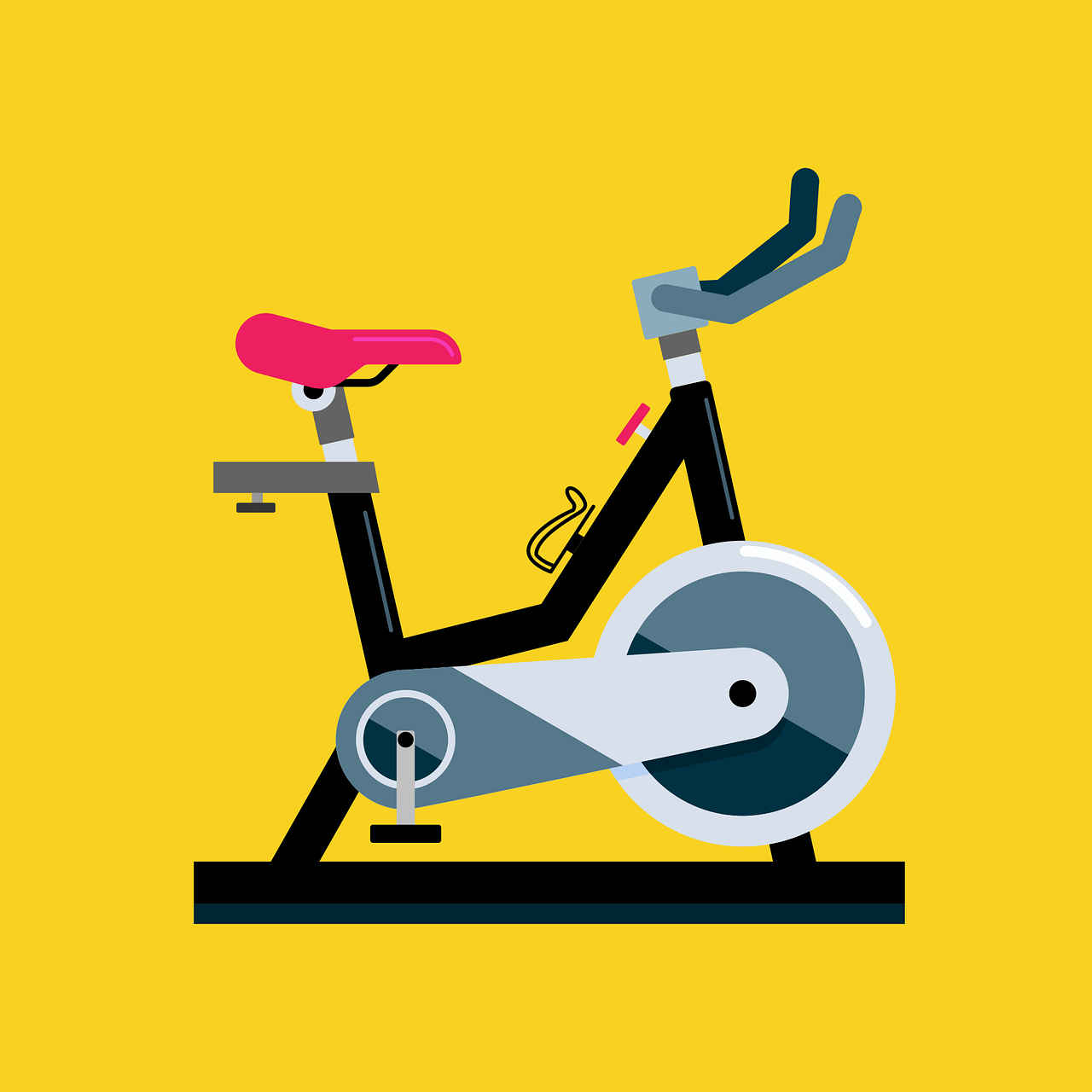
Spin bikes and traditional exercise bikes have unique designs that cater to different fitness experiences. A spin bike often resembles a road bike with a more aerodynamic frame. It features a weighted flywheel that provides a smooth and consistent pedaling motion, simulating outdoor cycling. This design focuses on building strength and endurance, making it ideal for those seeking a vigorous workout. In contrast, traditional exercise bikes typically prioritize comfort, sporting wider seats and ergonomic designs. They accommodate longer, more relaxed workouts but often lack the intensity of spin bikes. Spin bikes also include advanced features like resistance knobs, allowing users to adjust the challenge, which enhances versatility in their workouts. In contrast, traditional bikes may focus on basic features and user-friendly interfaces, offering preset workout programs and displays for tracking progress. Furthermore, many spin bikes have built-in Bluetooth connectivity for tracking performance on fitness apps. Ultimately, individuals should weigh the importance of design versus user comfort when making their purchasing decision, as each type serves different fitness goals and preferences.
One significant advantage of spin bikes is their ability to accommodate various workout styles. This versatility makes them attractive for users looking to vary their routines. Cyclists can easily shift from speed work to intense climbs within the same session. The focus on resistance training allows individuals to customize their workouts based on personal fitness levels. Many spin bikes come equipped with multiple resistance settings tailored for every challenge you seek. On the other hand, traditional bikes often promote low-impact aerobic exercise, making them suitable for all ages and fitness levels. In addition, users appreciate the comfort of a reclining position during workouts, which avoids strain. However, because of their limited intensity features, traditional exercise bikes might not be the best fit for experienced cyclists wanting to push their limits. If you’re considering investing in either type of equipment, assess your fitness goals and identify which bike aligns better with your preferences. Set clear objectives whether you’re focusing on weight loss, endurance training, or casual cycling enjoyment.
Workout Experience and Comfort
The experience of using a spin bike versus a traditional exercise bike can be markedly different. Spin bikes are designed for intensity; their seats often feel harder, suitable for short bursts of training. Users frequently shift positions, resulting in varied muscle engagement. Since many spin classes utilize rhythm-based instruction, adhering to a beat enhances motivation. Conversely, traditional exercise bikes promote a low-impact, comfortable experience, often featuring wider seats and adjustable components, making them more user-friendly for extended usage. The added comfort can appeal to casual cyclists or those recovering from injuries. It’s essential to understand that while comfort is significant, it might not translate to the same intensity and calorie burn as a spin bike workout. Moreover, the feel of a spin bike often offers a sense of community during classes, contributing positively to morale. When selecting the right bike, think about how long you plan to work out daily and what inspires you to maintain your engagement with the chosen bike. The decision should align with your cycling goals and level of comfort.
In terms of maintenance, spin bikes may require more regular upkeep than traditional exercise bikes. Their heavy-duty components and resistance mechanics often demand a thorough inspection for wear and tear as you frequently adjust your settings during workouts. In contrast, traditional exercise bikes generally feature simpler mechanics, requiring less frequent maintenance and adjustments. If you opt for a spin bike, ensure you familiarize yourself with cleaning and maintenance routines, as neglect can impact performance and lifespan. Furthermore, many spin bikes are now equipped with advanced technology, allowing riders to monitor performance metrics like heart rate and cadence. This data can enhance training experiences but may require additional care. When deciding on the type of exercise bike, consider your technical comfort level and commitment to performing regular maintenance. Those who prefer low-effort upkeep might lean towards traditional bikes to ensure continued enjoyment. However, if your focus is intense training with specific goals, investing time in maintenance and understanding your bike’s features will pay dividends in performance and results.
Cost Consideration
Cost can be a crucial factor in choosing between spin bikes and traditional exercise bikes. Spin bikes generally range in price due to their advanced features and sturdier construction. Prices may range significantly based on brand and capabilities, with entry-level models being accessible for most budgets. However, high-end spin bikes with advanced technology and design typically require a more considerable financial investment. In contrast, traditional exercise bikes can be found at a lower initial price point, giving them an edge for the budget-conscious consumer. However, prospective buyers should consider additional costs associated with spin bikes, such as classes or memberships, which can significantly increase expenses over time. Calculating the cost per use is wise, especially if you plan on incorporating cycling into your regular workout regimen. Compare long-term costs associated with both types of bikes, including maintenance, potential apparel, and accessories that may be necessary. Ultimately, the right bike is one that fits your budget and helps you meet your fitness goals without excessive financial strain.
In conclusion, choosing the right bike for your fitness journey largely depends on your personal preferences and exercise goals. Spin bikes offer a more intense and dynamic cycling experience while promoting significant cardiovascular fitness and strength building. If you thrive in a challenging and group-oriented environment, a spin bike may suit your lifestyle perfectly. Conversely, if comfort and a low-impact experience make up your priorities, a traditional exercise bike might be your best option. Consider factors such as workout intensity, comfort, and frequency of use when deciding. It’s essential to think about how each bike aligns with your fitness aspirations, as maintaining motivation is a vital aspect of a successful exercise routine. Additionally, experimenting with both types of bikes is a great strategy; many gyms offer both so that you can assess your preferences directly. Whichever bike you choose, remember to stay active, enjoy the process, and establish a routine that keeps you feeling accomplished and motivated towards achieving your health goals.