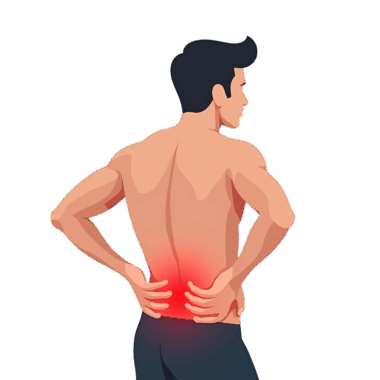

How to Safely Resume Core Training After an Injury
Recovering from a core training injury requires a cautious and methodical approach. The first step is to understand the nature of your injury. Common injuries during core training include strains, sprains, and muscle tears. These injuries can occur due to improper form, overexertion, or inadequate warm-up. Assessing your injury involves consulting with a healthcare provider or physical therapist. They can provide insights into your recovery potential and develop a tailored rehabilitation plan. Emotional reassurance is crucial as well; remaining positive can enhance your overall recovery. Focus on mobility and flexibility as you heal. Light stretching and gentle movement can promote blood circulation and alleviate tightness. Remember to listen to your body; if you experience pain, prompt rest and modifications are essential. Preparation for re-entering your core workouts requires gradually increasing intensity. This helps to rebuild core strength without overwhelming your body. Use techniques like visualization and strategic exercise selection to enhance mental readiness, along with actual practice. Finally, adopt a holistic approach through nutrition and hydration. Maintaining a balanced diet can aid recovery while providing the necessary energy for your comeback.
Once you’ve established a recovery plan, the next step involves setting realistic goals for returning to core training. Setting appropriate milestones is essential for anticipating progress while remaining adaptable. Begin with small, achievable targets for your workouts, avoiding any pressure to return to pre-injury levels too quickly. Understanding that recovery may take time is fundamental to prevent reinjury. You might consider gradually building up your workouts in length and intensity, focusing on form before speed. It’s also crucial to find alternative exercises that do not strain your injury. Low-impact movements allow you to maintain fitness while keeping injury risks minimized. Also, include cross-training in your plan; swimming or biking can help maintain cardiovascular fitness without stressing core muscles. Incorporating rest days is imperative in your training regimen. This will allow your body to recover adequately between workouts, especially as you gradually increase intensity. Always remember to warm up properly before beginning any workout session; a thorough warm-up prepares your muscles, enhancing performance and reducing injury risk. Hydration plays a pivotal role in your training, keeping your muscles functioning effectively and reducing cramping or fatigue.
Identifying Warning Signs
Recognizing the early signs of trouble during core training is vital for safely resuming workouts. Listening to your body is just as crucial as pursuing your training goals; monitor for any discomfort that arises. Signs like sharp pain, persistent soreness, or abnormal fatigue signal that you may need additional rest or possibly a check-up with a professional. Ignoring these signals can lead to more severe injuries and setbacks, prolonging your training break. Track your workouts and feelings in a journal, highlighting anything unusual. Documenting your training provides insights into progress and also helps identify patterns in pain or discomfort. It’s important to factor in your mental state as well; fear of reinjury can negatively affect performance. Address these feelings through relaxation techniques or by discussing with peers. Creating a supportive environment can also help; friends or trainers who respect your pace can reinforce positive behavior. Regular communication with trainers or physical therapists about your aches is also beneficial. Clear communication ensures they are aware of your potential limitations, which helps in tailoring your future workouts effectively.
As you continue your recovery journey, incorporating specific strengthening exercises can be highly beneficial for rebuilding your core. Engage in targeted movements that focus on stability and control, such as pelvic tilts, glute bridges, or bird dogs. Start with low resistance and gradually progress as your strength improves. Emphasize proper technique; this is essential to prevent re-injury. Utilizing equipment like resistance bands or a stability ball can also enhance your workouts, challenging your core to stabilize as you move. Additionally, exploring Pilates or yoga can provide a supportive framework for core recovery. These practices promote flexibility, balance, and mental focus, all essential during your recovery phase. Moreover, practicing mindfulness through breathing exercises during your workouts can improve your overall connection with your body and mitigate anxiety related to returning to training. Keep your routines varied to maintain enthusiasm and engagement; trying new exercises can also help discover what works best for your rehabilitation. Additionally, reviewing your progress at regular intervals will allow you to understand how well your body responds to training and accommodations you’ve made along the way.
Nutrition’s Role in Recovery
Nutrition is an integral part of recovering from a core injury and will help provide your body with the needed energy to heal. Focus on a balanced diet rich in proteins, carbohydrates, and healthy fats. Proteins are vital for repairing muscles, while carbohydrates provide the necessary energy for your workouts. Incorporating plenty of fruits and vegetables into your meals can also help reduce inflammation and enhance overall recovery due to their antioxidant properties. Staying hydrated is paramount; moisture supports joint lubrication and muscle function. Pay close attention to hydration before, during, and after your core workouts, particularly as increasing intensity can raise fluid loss. Additionally, consider meal prepping to ensure you always have healthy options readily available. Avoiding processed foods will support your journey back to full strength, keeping your body free from unwanted toxins. Tracking your food intake can reveal dietary patterns that need adjusting. Using a food diary or an app allows for diligent monitoring of your food habits. Engage with a nutritionist in this process to better tailor your dietary approach, ensuring your eating habits fit seamlessly with your training recovery goals.
As you make strides in your training, updating your approach based on personal feedback is essential. Regular check-ins with yourself or a trainer can offer insights on strengths, weaknesses, and adjustments required. Being adaptable is key; some days may feel better than others, demanding modifications in your routine. Embrace a proactive mindset towards recovery, adjusting exercises or routines as necessary. It’s beneficial to remember that core training is not just about intense workouts but also about understanding your body’s signals and learning from them. Exploring meditation or visualization techniques can assist in building mental toughness. These practices help foster resilience while training and coping with setbacks. Understanding the journey consists of peaks and valleys can reduce feelings of discouragement during slower progress periods. Also, consider joining a supportive community or group focused on core training and recovery. Engaging with others who share similar experiences can provide motivation, tips, and helpful strategies. Encourage one another to celebrate small victories, as incremental progress often leads to lasting success. Lastly, as fitness levels improve, gradually reintroducing previously avoided exercises will help test your strength and capabilities safely.
Conclusion: Continuing Your Journey
Resuming core workouts after an injury can be a challenging but rewarding process. With the right mindset, planning, and support, a safe return to core training is achievable. Always prioritize listening to your body and adjusting your workouts as necessary to address any discomfort. Techniques like gradual progression, targeted strengthening, and cross-training provide long-term solutions that enhance core stability while minimizing reinjury risks. Remember to incorporate a holistic perspective that values mental health, nutrition, and emotional support along your journey. Progress may be gradual, but patience is essential. Regularly revisiting your goals and fostering motivation through small victories can provide encouragement. Exploring new exercises, techniques, or training environments can keep your journey dynamic and enjoyable. Build a routine that incorporates both rehabilitation and core strengthening, addressing weak points identified during recovery. Finally, on the road to regaining strength, acknowledge that resilience leads to a more profound appreciation for well-being and physical capabilities. Each step back towards full strength reinstates a passion for core training and a commitment to lifelong wellness. Focusing on long-term outcomes is crucial; see it as a renewed opportunity to evolve your fitness journey.
As you continue your recovery journey, incorporating specific strengthening exercises can be highly beneficial for rebuilding your core. Engage in targeted movements that focus on stability and control, such as pelvic tilts, glute bridges, or bird dogs. Start with low resistance and gradually progress as your strength improves. Emphasize proper technique; this is essential to prevent re-injury. Utilizing equipment like resistance bands or a stability ball can also enhance your workouts, challenging your core to stabilize as you move. Additionally, exploring Pilates or yoga can provide a supportive framework for core recovery. These practices promote flexibility, balance, and mental focus, all essential during your recovery phase. Moreover, practicing mindfulness through breathing exercises during your workouts can improve your overall connection with your body and mitigate anxiety related to returning to training. Keep your routines varied to maintain enthusiasm and engagement; trying new exercises can also help discover what works best for your rehabilitation. Additionally, reviewing your progress at regular intervals will allow you to understand how well your body responds to training and accommodations you’ve made along the way.