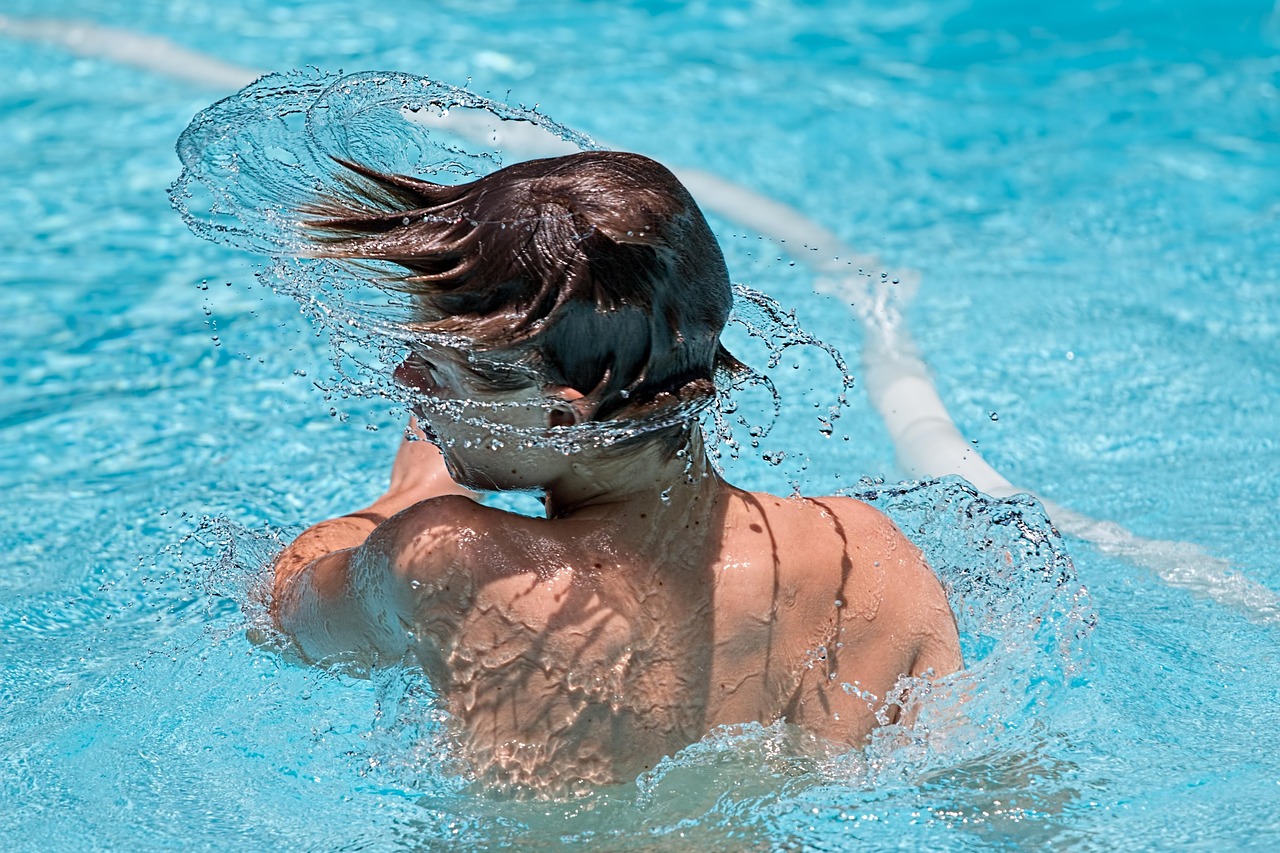

Swimming Techniques That Support Postpartum Rehabilitation
Postpartum fitness can be significantly enhanced by swimming due to its low-impact nature. For new moms, joint stress is a concern post-delivery. Swimming offers a unique benefit: it creates a buoyant environment that minimizes joint strain while allowing the body to move freely. When practicing swimming, focus on the core muscles, which are particularly affected during pregnancy. Engaging in swimming can aid in rebuilding strength in the abdominal area, thus supporting better posture and decreasing back pain. Always remember to listen to your body; gentle strokes are recommended at first. Start with intervals of rest and a series of light swimming activities. Try performing different strokes to vary muscle engagement. e0Additionally, the rhythmic nature of swimming helps in relaxation and stress reduction. Moreover, consider joining swimming classes designed specifically for postpartum mothers, which provide guidance and a community of support. Seek professional advice before beginning any exercise program after giving birth to ensure you’re set for a safe journey back to fitness.
As you dive deeper into swimming techniques, breaststroke emerges as an advantageous option for postpartum moms. Its core focus aligns well with the rehabilitation process. Breaststroke allows buoyancy, needing less energy than other strokes, which is essential for recovery. During this journey, always prioritize maintaining proper form to avoid unnecessary injuries. Concentrate on long, smooth strokes while keeping your legs and arms synchronized softly. Ensure you engage your core throughout to support lower back muscles, promoting better strength and stability. Adding gentle variations to your routine, such as kicking drills or simple water aerobics, can enhance muscle engagement without overwhelming the body. Try alternating between intervals of swimming and relaxing by floating to maximize effectiveness. You might also want to consider using a kickboard for stability and support. This simple device helps focus on technique while allowing you to feel confident in the water. Overall, breaststroke serves as a gateway to build strength and endurance. You will appreciate the soothing effect water has on you during this recovery phase. Thus, swimming becomes not just an activity but a therapeutic escape.
While exploring swimming techniques, remember that freestyle can also be beneficial for postpartum recovery. This stroke increases cardiovascular fitness while allowing you to control the intensity. Freestyle, or front crawl, employs a fluid motion, focusing on balance and coordination, making it suitable for new moms. Begin with short distances and slowly progress as your endurance improves. Practice breathing exercises on dry land before entering the pool, ensuring you can coordinate them smoothly with your strokes. Furthermore, like breaststroke, freestyle enhances core activation, promoting abdominal strength that carries daily benefits. For beginners, consider using pull buoys to assist in floating. They enable you to focus on your arm technique without much leg movement until you feel comfortable. Additionally, try swimming with a partner for motivation and accountability; swimming alone can sometimes lessen the fun. By integrating freestyle into your routine, you will discover the joy and vitality it can bring, aiding not only in physical recovery but improving your overall mental state post-pregnancy.
Engaging Water Aerobics
Beyond traditional swimming strokes, incorporating water aerobics into your fitness regime can greatly amplify the benefits of your postpartum recovery. This full-body workout enhances cardiovascular health, builds strength, and improves flexibility without putting undue stress on the joints. Begin by participating in classes designed specifically for postpartum moms where you can connect with similar individuals. These classes often use buoyancy equipment like noodles and dumbbells, which increase resistance during workouts. Incorporating music can also make the experience more enjoyable and enhance motivation. Embrace the freedom of floating; it offers a gradual return to movement without overwhelming your body. Exercise sequences typically encompass warm-ups followed by targeted workouts for abdominal muscles, arms, and legs. Creating a routine that keeps your heart rate elevated while enabling you to maintain comfort is crucial. Participating in regular water aerobics leads to improved stamina and an uplifted mood, essential during the postpartum phase. Thus, make water aerobics a vital part of reclaiming your strength and enhancing your well-being.
Breath control plays an essential role in any swimming exercise regimen, particularly benefiting postpartum women. It’s crucial to practice effective breathing techniques that enhance performance in the water. Learning to exhale fully underwater helps create a stronger rhythm, allowing efficient strokes that improve endurance while minimizing fatigue. Begin by practicing breathing methodologies on land, slowly transitioning these techniques into the water. Focus on a steady inhalation followed by controlled exhalation; it builds lung capacity, enhancing overall swimming impact. Additionally, integrating breathing patterns into swimming drills supports relaxation and enhances focus. Consider participating in coaching sessions that specifically explore breath training for aquatic environments. These sessions can be transformative, guiding you toward developing your practice with proper techniques. Over time, mastering breath control opens the door to advancing your swimming abilities and speeds up recovery. Moreover, increasing awareness of your breathing aids to alleviate feelings of anxiety or stress often experienced during the postpartum period. This practice not only enhances your swimming capabilities but adds a significant emotional and mental advantage in your overall fitness journey.
Creating a Consistent Routine
Building a consistent swimming routine is vital for maximizing the benefits of postpartum rehabilitation. Aim to swim at least two to three times a week, engaging in various activities to maintain interest while boosting physical recovery. Establishing a schedule may help; factor in the baby’s naptimes to ensure you can dedicate time for yourself guilt-free. Begin with shorter sessions, gradually increasing duration as your body allows. Consistency aids not only fitness but builds a mental habit that regards swimming as a self-care activity. Furthermore, find a local pool that is mother-friendly or offers classes for new moms, enhancing social connections while exercising. Pack a gym bag the night before to avoid morning struggles and create excitement. Additionally, tracking your progress can be immensely helpful—consider keeping a diary to note improvements in endurance or swimming techniques. Celebrate small victories, as they contribute to a positive mindset. Above all, prioritize flexibility within your routine; life with a newborn can be unpredictable, so adapting as necessary can help maintain a healthy balance.
One of the critical aspects of recovering through swimming is listening to your body’s signals. Postpartum recovery differs between individuals, and it’s essential to honor your pace. At times, you may feel energized and buoyant; other moments may bring fatigue or discomfort. Pay attention to these variances. If swimming feels challenging, focus on gentle movements or revert to light water exercises like walking or stretching in the shallow end. Warm-up exercises on deck prior to entering the pool can help alleviate stiffness. Moreover, incorporate cold water soaks or foam rolling after swimming to reduce muscle soreness. Hydration is also essential; always keep a water bottle nearby to replenish fluids lost during exercise. Additionally, consider keeping in close contact with healthcare providers or fitness instructors specializing in postpartum fitness. They can guide adaptations tailored to your circumstances. Fostering a positive mindset and embracing small achievements while navigating through postpartum challenges yields fulfillment from swimming. Ultimately, being attuned to your needs ensures that swimming remains an enjoyable and beneficial experience.
To conclude, swimming can be a transformative component of postpartum rehabilitation. Through swimming techniques like breaststroke and freestyle, combined with supportive workouts like water aerobics, moms can regain their strength and confidence. Most importantly, prioritize breath control, listen to your body’s signals, and establish a consistent swimming schedule. Connecting with other mothers in similar situations enhances motivation and satisfaction. Consider seeking professional guidance if unsure where to start or how to adjust workouts safely. By maintaining flexibility in routines and celebrating achievements large or small, swimming transitions from a physical activity to a fulfilling self-care ritual. As each swim brings you closer to your goals, the journey itself becomes a testament to resilience and strength, reminding you of the vital role self-care plays in postpartum recovery. Ultimately, embrace this opportunity to immerse yourself in water while reconnecting with your body. Swimming is about fitness, balance, and well-being; it helps in rekindling joy during challenging times. Make a splash in your postpartum fitness journey and thrive in the beauty of motherhood.