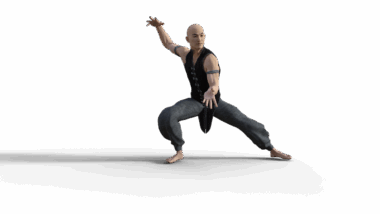

Progressive Breath Conditioning for Martial Artists
Breathing is fundamental in martial arts, where control over breath directly influences performance. Effective breath conditioning enhances stamina, technique, and focus during practice and competition. Skills in breath control allow martial artists to regulate their energy and combat anxiety, significantly improving their overall effectiveness. The importance of breath techniques extends beyond mere performance; they contribute to overall mental and physical health. By cultivating breathing awareness, practitioners learn to synchronize their breath with movements, enhancing their flow. Progressive breath conditioning involves a structured approach, targeting the specific needs of martial artists. It begins with basic exercises, where athletes focus on inhale and exhale patterns. As proficiency develops, complexity increases through advanced techniques that incorporate visualization and mindfulness. These enhancements facilitate deeper relaxation and concentration during high-stress moments. Moreover, breath conditioning can aid recovery by decreasing muscle tension, allowing for better relaxation. Techniques such as diaphragmatic breathing also promote oxygen efficiency, leading to improved endurance over time. Therefore, martial artists can integrate breath practices into their routines, effectively improving performance and overall well-being.
Incorporating breath techniques into martial arts training offers numerous benefits. Enhanced oxygen intake allows for better energy levels during intense practices. Breath control aids in the execution of techniques, where proper timing and focus are critical. Athletes who master their breath often experience heightened awareness and reduced fatigue, allowing them to push their limits effectively. To begin implementing progressive breath conditioning, practitioners should focus on the fundamentals of breath; these initial steps lay a robust foundation. Simple exercises like nasal breathing and counting breaths are essential first stages. As practitioners become comfortable, they can explore rhythmic breathing, which pairs breath with specific movements. This pairing optimizes performance by ensuring breath is synchronized with action, enhancing fluidity. Furthermore, breath techniques can also be adapted for different martial arts styles, enhancing versatility. For instance, traditional styles emphasize slow, deep breathing for relaxation, while others may stress rapid inhalation to boost energy. Regardless of the style, cultivating breath awareness remains a universal necessity. Gradually, by exploring more complex breathing patterns, martial artists can develop their unique breath conditioning techniques that suit their respective discipline.
Essential Breath Techniques for Conditioning
Understanding essential breath techniques is crucial for martial artists. Among the foundational methods are diaphragmatic breathing and four-square breathing exercises. Diaphragmatic breathing, or abdominal breathing, emphasizes using the diaphragm efficiently to fill the lungs while calming the body. This technique promotes deep relaxation and revitalizes energy levels, ideal for pre-training preparation. Conversely, four-square breathing involves inhaling, holding, exhaling, and pausing, each for an equal count, enhancing focus. This structured approach allows martial artists to mentally prepare before sparring or competition. Additionally, box breathing is a variation that combines principles of four-square breathing and visualization to improve mental clarity. By visualizing each section of the breath, practitioners achieve increased focus and emotional control. To further improve breath control, martial artists might integrate breath holds into their training, gradually extending the duration to enhance lung capacity. This effort not only optimizes oxygen use but also prepares athletes for strenuous moments during combat when breath control becomes paramount. As practitioners explore these techniques, they also develop a deeper connection to their bodies, fostering mindfulness—a powerful tool for achieving peak performance.
Besides physical benefits, progressive breath conditioning fosters mental fortitude in martial artists. Enhanced focus achieved through breath control can significantly increase performance during high-pressure situations. Learning to manage breath means athletes can control anxiety, avoid panic, and maintain composure under stress. Such mental resilience is especially crucial in competitions where distractions and external pressures can derail concentration. Practicing breath techniques regularly cultivates a stronger mind-body connection; this connection enhances overall performance. Incorporating breathing exercises into daily routines seeds improvement, helping athletes respond better to challenges with equanimity. Visualization accompanying breath training can be another effective mental strategy. By mentally imagining successful execution during breath exercises, practitioners bolster their self-confidence. This synergy between breath control and visualization aims to produce a powerful yet calm warrior, equipped to face any challenge in the ring. Additionally, breath techniques promote emotional health, helping martial artists manage frustrations and maintain positive attitudes within competitive arenas. By consistently practicing these techniques, athletes prepare not only their body but also their minds, ensuring a holistic approach to martial arts training that leads to sustained improvement.
Benefits of Incorporating Breath Practices
The benefits of incorporating breath practices into martial arts extend beyond mere performance enhancement. Healthy breathing techniques serve to alleviate stress, leading to better mental health. In a world where martial artists face various challenges, developing breath awareness helps manage both physical and emotional strain. Energetic alignment achieved through controlled breathing translates into improved focus and better reaction times during both training and matches. Furthermore, improved lung capacity gained through conditioning creates a more robust respiratory system. This system efficiently delivers oxygen to muscles, enhancing endurance and recovery post-workout. Increased relaxation generated by breath techniques significantly decreases muscle tension, allowing for faster recovery between training sessions. Moreover, chronic tension can lead to inefficiencies during movements, caused by incorrect energy expenditure. Techniques such as progressive muscle relaxation intertwined with breath exercises affirms the synergy between breath and physical movement. Practitioners achieve a greater sense of balance as they learn to regulate stress response, allowing them to perform at their best during competitions. Consequently, breath practices aim to cultivate resilient martial artists committed to their craft and overall health.
A further focus in progressive breath conditioning is the inclusion of mindful practices. Mindfulness underscores the importance of being present, and it pairs beautifully with breath techniques in martial arts. Such practices enhance awareness of rhythm and flow, transforming a martial artist’s approach to training and competition. Engaging in mindful breathing during practice helps foster the ability to tune into physical sensations and emotional responses. As martial artists become attuned to their bodies, they can identify tension areas and adjust their practices accordingly. Integration of mindfulness techniques into breath training allows athletes to cultivate greater clarity and decision-making skills. Additionally, mindful breathing helps reduce anxiety before competitions, as participants center their thoughts and focus on clarity rather than stress. In essence, embracing mindful practices along with breath conditioning enriches the entire martial arts journey. Creating a consistent practice of mindfulness and breath can foster positivity, resilience, and emotional regulation in martial artists. Ultimately, these techniques transform not only their performance but also their perspectives, ensuring they enjoy both the journey and the destination in their martial arts pursuits.
Conclusion: Mastering Your Breath
In conclusion, progressive breath conditioning is a transformative process for martial artists. Mastery over breath techniques holds the power to redefine one’s capabilities, enhance performance, and nurture well-being. As practitioners explore various practices, they must be patient, allowing time to recognize improvements in skill and awareness. As focus and breath control improve, athletes should observe their performance in action, both in the dojo and in competition. Challenges may arise, but the journey through breath conditioning promotes resilience and determination that extends beyond physical abilities. Regular engagement with breath techniques not only enhances stamina and technique mastery, but also boosts overall mental health. It is a comprehensive approach that enables martial artists to navigate emotional highs and lows while remaining grounded. Therefore, martial artists should commit to daily practice of these breath control techniques, blending them into their overall training regimens. Supporting both individuality and unique martial styles, breath conditioning enhances personal growth, contributing to a fulfilling martial arts experience. Ultimately, investing in breath practices represents a commitment to both physical and emotional mastery in martial arts, fostering ongoing growth and excellence.
As martial artists embark on their journey through breath conditioning, it is essential to remember that progress takes time. Each small step counts towards developing breath control, with the ultimate goal of mastering breathing techniques. Practitioners should document their progress, noting both keeps leading to substantial improvement and opportunities to explore additional methods. Engaging in community discussions about breath practices can expose athletes to other perspectives, enriching their understanding further. Whether through online platforms or local dojos, connecting with fellow practitioners can facilitate exchanges of valuable insights. Shared experiences create a powerful supportive network, reinforcing the significance of breath in martial disciplines. As martial artists diversify their training methods with progressive breath techniques, they foster not only greater personal well-being but also enhance the collective practice within their martial arts community. In closing, practitioners are encouraged to take action. Implementing breath conditioning into their daily routines can minimize distractions and promote focus. Emphasizing the importance of breath alongside physical training ensures holistic development, paving the way toward improved performance. Indeed, embracing breath practices promotes resilience, clarity, and sustained growth in martial arts.