
Understanding Macros: Setting up Your Keto Diet
Starting a keto diet involves making significant dietary shifts and recognizing the importance of macronutrients. A ketogenic diet primarily revolves around low carbohydrate intake and higher fat consumption, promoting ketosis. This process allows your body to use fat instead of carbs for energy. Initially, it may feel challenging to adjust to the new routine. However, with a solid strategy, success is achievable. One of the essential aspects is understanding how to track your macros. Determining the right macronutrient ratio tailored to your body is crucial. Most followers aim for about 70% fat, 25% protein, and only 5% carbs. Consistently measuring these proportions in your daily meals will guide you effectively through the diet. Keeping a food diary or using apps can simplify tracking your intake. These tools can help pinpoint areas needing adjustment when your weight loss plateau occurs. Do not forget to consult dieticians or nutritionists before making any drastic changes. Their guidance can provide clarity on optimal macro targets for individual goals. Remember, awareness and knowledge play pivotal roles in achieving sustainable outcomes.
Essential Foods for Your Keto Journey
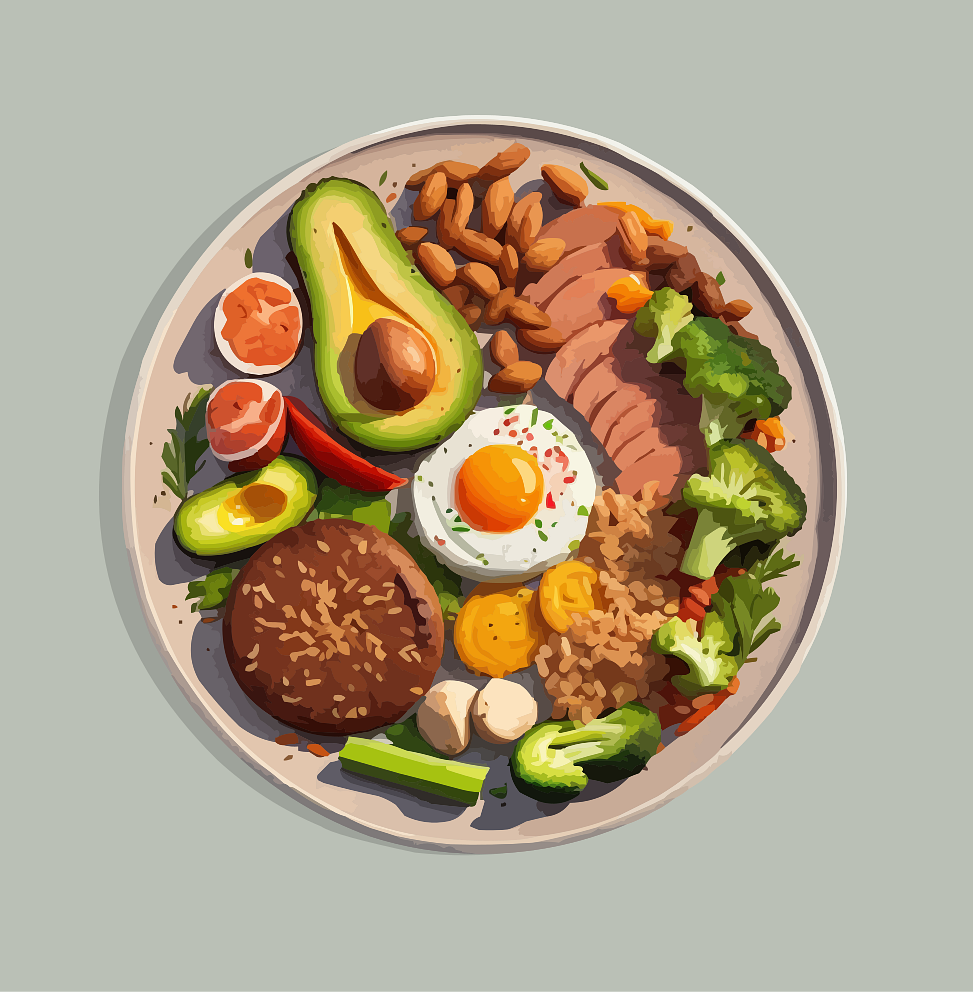
Choosing the right food is paramount in your keto journey. Incorporating healthy fats, quality proteins, and low-carb vegetables is critical. These food groups nourish your body while ensuring sufficient caloric restriction to initiate the ketosis process. Foods such as avocados, olive oil, and nuts are loaded with healthy fats. They form the foundation of any ketogenic diet. Quality protein sources include meats like chicken, beef, and fish. When selecting vegetables, aim for those low in carbohydrates, such as leafy greens, zucchini, and broccoli. This variety enriches your meals and prevents micronutrient deficiencies. Additionally, consider the significance of meal prep. Planning meals ahead limits impulsive eating decisions. When you have snacks and meals ready, it becomes easy to stay within your macro goals. Many find it beneficial to explore various cooking methods and recipes, making the experience enjoyable and diverse. You can also try keto-friendly substitutes for traditional foods. This enhances satisfaction while adhering to your dietary guidelines. Ultimately, a well-rounded food selection keeps your motivation high and ensures adherence to the keto lifestyle.
Another critical aspect of starting and maintaining a keto diet involves hydration and electrolytes. When transitioning to ketosis, your body may release more water and electrolytes, which can lead to imbalances. Therefore, staying hydrated is essential for overall function and well-being. It is advisable to increase your water intake significantly. Incorporate electrolyte-rich foods and consider supplementing electrolytes if necessary. Salt, potassium, and magnesium are vital for preventing issues like muscle cramps or headaches. Before starting any supplements, however, consulting with a healthcare professional is wise. They can guide you on the right approach to balance your intake. Tracking your hydration status and feeling the signs of dehydration can also help maintain energy levels and promote overall health. Additionally, pairing hydration with your meals can improve digestion and processing of nutrients. To make it easier, consider carrying a water bottle throughout the day. This will help you monitor your intake effectively. Hydration, alongside a well-planned keto diet, sets the stage for not just weight loss but also increased vitality and improved mental clarity as your body adjusts.
Understanding Common Challenges
Embarking on a keto journey often presents challenges. As your body adapts to this major shift, you might encounter hurdles. One common issue is the keto flu, characterized by fatigue, irritability, and headaches. These symptoms typically occur as your body adjusts to burning fat instead of relying on carbohydrates. Understanding the cause can ease anxiety and provide reassurance that the symptoms will pass eventually. Besides keto flu, some struggle with social situations where food choices seem limited. Not all restaurants cater to such dietary needs, creating added difficulty. Preparation is key in these instances; consider checking menus in advance or suggesting keto-friendly dining options to your companions. Furthermore, cravings for high-carb foods may pose a challenge in the beginning. Focus on finding satisfying low-carb alternatives that align with your diet while providing a sense of indulgence. Over time, these cravings generally diminish as your body becomes accustomed to fat as its primary fuel source. The most crucial aspect of facing challenges is maintaining a positive mindset and staying committed. Celebrate small successes to keep motivation high and ensure a successful keto journey.
Engaging in regular physical activity complements your keto diet, enhancing weight-loss efforts and overall wellness. Incorporating both strength training and cardiovascular exercises can optimize results. Participating in activities that increase your heart rate will help you shed excess weight effectively. Strength training, on the other hand, preserves muscle mass and increases metabolism. Thus, a well-rounded exercise program supports your dietary changes and promotes better health. It is essential to find exercise forms that you genuinely enjoy, as this increases adherence. Setting realistic workout goals and gradually increasing intensity can help maintain motivation. Combining exercise with your diet can also make way for innovative meal ideas that cater to your increased activity levels. Adequate nourishment post-exercise becomes necessary to facilitate recovery and muscle growth. Emphasize protein intake in the meals following your workouts, as it aids in muscle repair and growth. Planning meals around workout schedules can improve energy levels and performance. Ultimately, the synergy between a keto diet and regular physical activity contributes to optimal results and long-term health benefits. Balance is essential, and finding that equilibrium will pave your path to success.
Tracking Progress Effectively
Monitoring your progress on a keto diet is crucial to achieving your goals. Keeping track of weight, measurements, or other markers reveals how your body responds to dietary changes. Using a food tracking app allows you to monitor your macronutrient intake effectively. These apps offer insights into your eating habits, helping you identify patterns that may require adjustments. Additionally, regular check-ins with yourself can motivate and provide clarity on what works. Remember that weight is but one measure of success. Metabolic health, energy levels, and improvements in mental clarity often represent progress more than numbers on a scale. Testing ketone levels through breath or blood tests may also yield helpful feedback on your keto journey. Over time, you can adapt and fine-tune your approach based on the data gathered. Consider sharing your experiences in supportive communities, seeking encouragement and guidance. Ensuring you celebrate non-scale victories can provide motivation during challenging times. This holistic approach to tracking your progress ultimately enhances sustainability and engagement in your keto lifestyle.
Lastly, never underestimate the power of community and support when starting a keto diet. Engaging with like-minded individuals who share similar goals can provide motivation and encouragement. Online forums or social media groups are excellent resources for gathering information, recipes, and tips that others have found helpful. Connecting with others on both successes and challenges fosters a sense of belonging that can be vital. Attending local keto meetups provides opportunities for face-to-face interactions that strengthen confidence. Additionally, sharing experiences can unveil strategies that may work for you. Consider partnering with a friend or family member who is also interested in adopting the keto lifestyle. Accountability helps maintain commitment and enhances shared success. Remember that every individual’s journey is unique, so be open and flexible to adjustments. Relying on support promotes resilience during challenging moments. Celebrate progress together, and share triumphs, no matter how small they may seem. Ultimately, community support aids in sustainable lifestyle changes and transforms the journey into an enjoyable and rewarding experience.