
How to Encourage Safe Play in Youth Sports
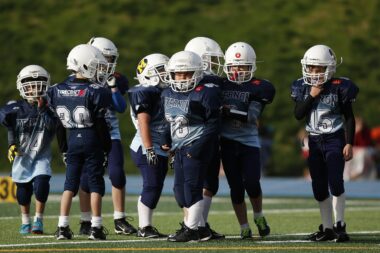
Youth sports offer tremendous benefits to children, including improved physical health, social skills, and self-esteem. However, ensuring safety should always be a priority. Parents and coaches should work together to create an environment where young athletes can thrive without risking injury. One effective way to promote safety is through regular assessments of equipment used during practices and games. All gear, such as helmets and pads, should be checked frequently and replaced when worn or outdated. Moreover, it’s crucial that children are taught the importance of warm-ups and cool-downs. These activities can help prevent injuries and improve overall athletic performance. Encouraging hydration is also vital. Young athletes often overlook their body’s need for fluids, especially during intense physical activity. Coaches should establish regular water breaks. Finally, creating a culture of open communication between players, coaches, and parents fosters a safe environment. Children should feel empowered to voice concerns about safety or discomfort. By implementing these measures, youth sports programs can promote not just participation, but a lifelong passion for healthy, active living.
Education is essential in youth sports safety. Coaches and parents should be educated about the rules of each sport, as well as recognizing potential risks. Conducting workshops or seminars can help in understanding these principles. Additionally, first aid certification for coaches is recommended. This training ensures that coaches can respond effectively in emergencies. Involving children in the discussion about safety can also foster a sense of responsibility. They should be made aware of their limits and taught to recognize when they need a break. Coaches should emphasize that it’s acceptable to sit out when feeling unwell or fatigued. Furthermore, implementing specific policies against bullying in sports creates a more enjoyable and secure atmosphere. Children who feel respected and supported are less likely to engage in harmful behavior or face negative experiences. Team-building activities focused on sportsmanship can enhance camaraderie and reduce the likelihood of physical clashes. Balancing competitiveness with fun is key to motivating young athletes while keeping safety at the forefront. Last but not least, collaboration between leagues and schools can strengthen safety protocols, ensuring all participants benefit from consistent practices.
The Role of Parents in Ensuring Safe Play
Parents play a pivotal role in promoting safety among young athletes. They are often the first line of defense regarding physical and emotional well-being. Regularly communicating with coaches about team policies, safety measures, and injury protocols is essential. In addition, encouraging children to voice their feelings about practices or games can strengthen the feedback loop. Parents should focus on their child’s experience rather than solely on winning. This perspective promotes a healthy attitude towards competition, encouraging children to enjoy the game itself rather than just the outcome. Engaging with children in discussions about their sports experiences helps parents understand any concerns and address them before they escalate. Furthermore, monitoring after-game behavior, such as feelings about competing and interactions with teammates, can provide insight. Parents must also model positive behavior during games by respecting referees, coaches, and players. By doing so, they not only set a standard but also instill values of respect and integrity. Creating an encouraging home environment where children feel safe to express their frustrations fosters resilience and development. This reinforces safety as a collective responsibility among everyone involved.
In addition, community involvement is crucial for ensuring safe play in youth sports. Communities can come together to support local leagues by creating safer facilities, organizing safety events, and providing resources for coaches and parents alike. Having well-maintained fields or courts reduces injury risk significantly. Local businesses can help by sponsoring events that aim to provide safety equipment or educational materials regarding youth athletics. Community-based organizations could also offer training sessions that teach young athletes and parents about sports safety and injury prevention. Additionally, forming partnerships with health professionals can enhance awareness regarding common sports injuries. Physiotherapists or sports doctors could provide valuable insights during workshops on how to prevent injuries specific to certain sports. Organizing fun runs, charity matches, or awareness campaigns promotes community spirit while emphasizing health and safety. Ultimately, collaboration between parents, coaches, schools, and local authorities enhances resources and knowledge regarding safe play. Creating an inclusive environment for everyone involved ensures that each child can enjoy their preferred sport without undue risks. Encouragement and support can pave the way for safer youth sports experiences that benefit future generations.
Understanding Common Injuries in Youth Sports
Awareness of common injuries in youth sports is vital for prevention and safety. Children’s bodies are still developing, and they may be more susceptible to certain types of injuries than adults. Sprains, strains, fractures, and growth plate injuries are common among young athletes. Coaches and parents should educate themselves on these injuries and recognize early symptoms to take proper action. Providing adequate rest and recovery time between practices and games is essential for preventing overuse injuries. It’s also important to encourage proper stretching and strengthening exercises tailored to the sport. Recognizing that not all youngsters will perform at the same level is crucial, as pushing them too hard can lead to injuries. Moreover, children should be encouraged to engage in multiple sports to promote overall development and prevent specialization too early. Specific training sessions focusing on skills relevant to each sport, along with teamwork practices, can be beneficial. Open discussions about physical limitations and ensuring a supportive environment will help children learn to respect their bodies. Utilizing orthopedic specialists may provide further insights into safe sports practices can help create a safer playing experience.
Implementing technology in youth sports can significantly contribute to safety measures. Wearable technology, such as heart rate monitors and GPS trackers, allows coaches to monitor players’ physical conditions during training and competition. These devices can help ensure players aren’t overexerting themselves. Additionally, video analysis software can assist coaches in refining players’ techniques while identifying unsafe practices. Coaching tools that focus on biomechanics can help promote healthy movement patterns, reducing injury risks. Furthermore, many teams are beginning to leverage mobile applications for communication. These apps keep players informed about schedules, safety protocols, and updates regarding weather conditions that may affect practice or games. Utilizing these modern technologies effectively bridges the gap between tradition and innovation in sports. Coaches can deliver tailored feedback to each athlete, which fosters a more supportive and educational training environment. As technology continues to grow, so too will the potential for safer practices in youth sports. Keeping abreast of advancements and implementing them properly ensures that young athletes benefit from current best practices in maintaining their health and wellbeing while actively enjoying their chosen sports.
Conclusion: Advocating for Safe Play
Promoting safety in youth sports is a collective responsibility requiring commitment from everyone involved. Advocating safe play ensures children receive all the benefits of sports without unnecessary risks. Families, coaches, schools, and communities must work together to educate young athletes about safety practices and create a supportive environment. By emphasizing safety, children will develop not only as athletes but as individuals who care about their wellbeing and that of others. Continued advocacy also plays an essential role in shaping policy and improving safety standards across all youth sports programs. Future generations will thrive when a culture of safety becomes the norm. Engaging in ongoing dialogue about safety practices will encourage improvements and updates where needed. Consistent evaluation of safety protocols will lead to refinements that contribute positively to the youth athletics landscape. When children feel safe, they are free to express themselves, learn teamwork, and enhance their athletic skills. It all comes together in fostering a love for sports. So let’s take the necessary steps, develop programs, and initiate conversations that will pave the way for a brighter, safer future in youth sports.