
The Science Behind Circadian Rhythm Disorders
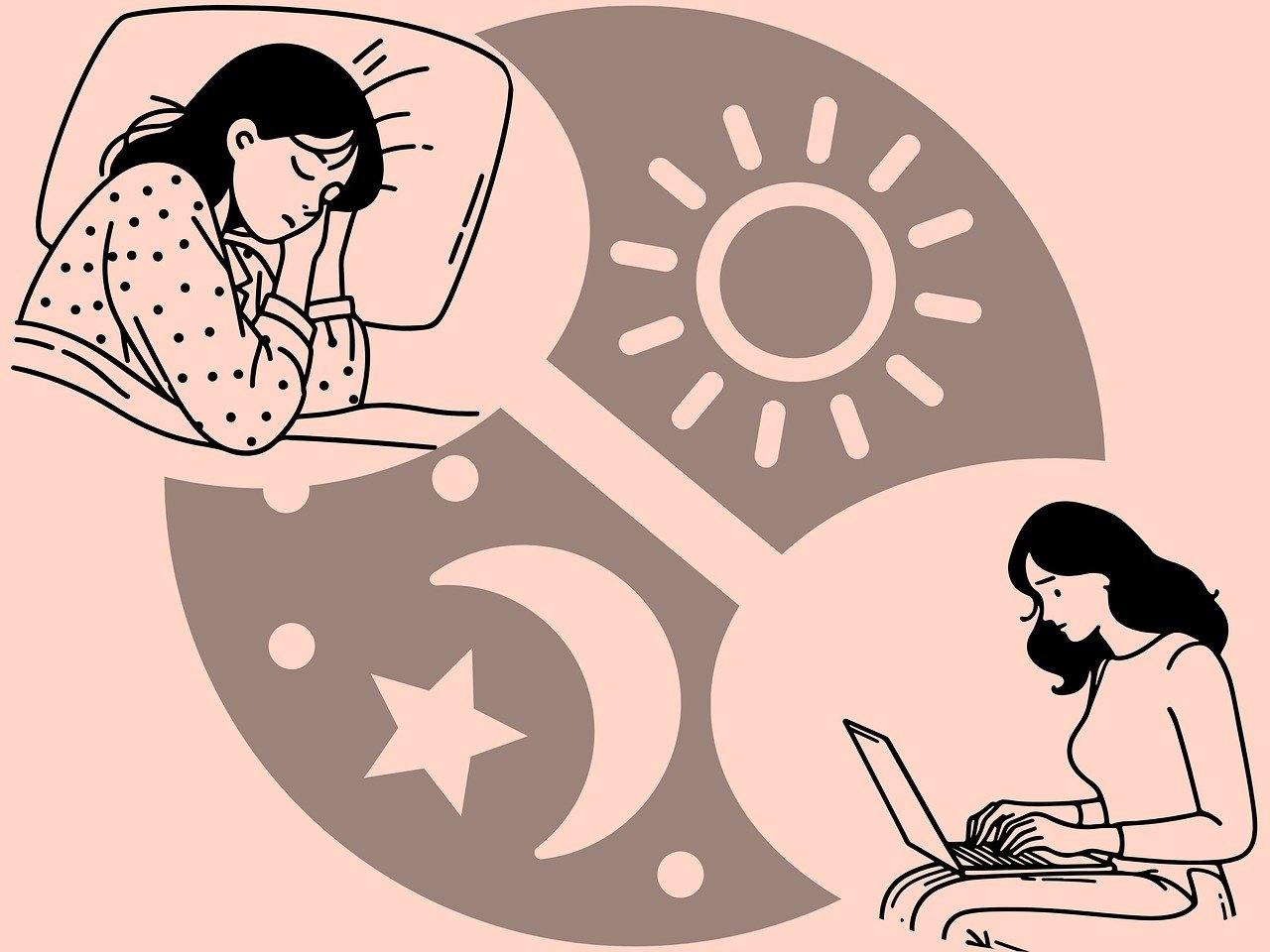
Circadian rhythm disorders represent a significant concern in the field of sleep medicine and affect thousands of individuals worldwide. These disorders stem from disruptions in the body’s internal clock, which regulates sleep-wake cycles as well as numerous physiological processes. Proper circadian functioning depends on synchronization with environmental cues, primarily light and darkness. When this synchronization gets disrupted, individuals can experience various symptoms, ranging from insomnia to excessive daytime sleepiness. Research indicates that circadian rhythm issues can arise from multiple factors, including lifestyle choices, chronic stress, and exposure to artificial light. For instance, those who frequently engage in shift work often struggle with substantial circadian misalignments. Given that these disorders can have a profound impact on one’s quality of life, understanding their underlying mechanisms is essential. Notably, the consequences of circadian disruptions extend beyond sleep quality; they can also lead to serious health problems such as metabolic syndrome, cardiovascular diseases, and even depression. Thus, identifying effective strategies as well as treatments for individuals suffering from these disorders is critical for improving overall health and well-being.
The role of melatonin in managing circadian rhythms is particularly noteworthy. Melatonin, a hormone produced by the pineal gland, helps regulate sleep patterns and is often termed the “sleep hormone.” Its production typically increases during the evening and decreases by morning. In individuals with circadian rhythm disorders, melatonin secretion can be imbalanced, leading to difficulties in falling asleep or waking at desired times. Supplementing with melatonin has gained popularity as a potential treatment for restoring proper sleep patterns. Multiple studies have indicated that melatonin can effectively assist individuals with delayed sleep phase disorder or shift work disorder. Users report improved sleep onset, enhanced sleep quality, and reduced nighttime awakenings. However, caution should be exercised when using melatonin; it is essential to consult with a healthcare provider to determine the appropriate dosage and timing based on individual needs. In addition to supplementation, environmental interventions such as light therapy can also aid in circadian rhythm regulation, especially for individuals exposed to irregular light patterns. These combined strategies contribute to a holistic approach toward helping those dealing with circadian rhythm disorders.
Another important aspect is the impact of technology and lifestyle on circadian rhythm disorders. In contemporary society, devices like smartphones, tablets, and computers expose users to blue light in the evening hours. This exposure disrupts melatonin production and negatively affects sleep quality. Research highlights the need for individuals to establish proper boundaries regarding screen time, especially before bed. Implementing practices such as digital curfews can greatly aid in reducing light exposure as bedtime approaches. Moreover, creating a relaxing pre-sleep routine helps signal to the body that it is time to wind down. Activities such as reading, meditating, or engaging in gentle stretches are beneficial for promoting restful sleep. Furthermore, adhering to a consistent sleep schedule supports the body’s internal clock, helping to regulate sleep cycles. Maintaining a regular sleep-wake pattern reinforces circadian rhythms, and consequently, makes it easier to function during the day. Educational efforts designed to inform the public about the consequences of technology on sleep can play a vital role in combating the rising prevalence of circadian rhythm disorders.
Health Effects of Circadian Rhythm Disorders
Circadian rhythm disorders can have diverse health implications that reach beyond sleep disturbances. Research has connected these disorders with an increased risk of chronic illnesses, including cardiovascular problems, metabolic syndromes, and psychiatric conditions. Sleep is vital for overall health, and interruptions to circadian rhythms can compromise immune function and hormone regulation. As a result, individuals with disrupted sleep patterns may face a higher susceptibility to infections and stress-related illnesses. Studies have shown that those experiencing chronic sleep deprivation might develop anxiety and mood disorders due to hormonal imbalances. Particularly in vulnerable populations, such as shift workers, prolonged exposure to circadian disruption may lead to significant health complications. Understanding these interconnected health risks highlights the importance of timely interventions aimed at restoring proper sleep-wake patterns. Behavioral therapy, cognitive-behavioral interventions, and lifestyle modifications can assist individuals in mitigating the effects of circadian rhythm disorders. Fostering awareness regarding these health risks may prompt proactive measures among those at risk, ultimately improving both sleep and overall health outcomes.
In addition to the aforementioned health effects, circadian rhythm disorders can significantly impact cognitive functioning. Sleep is critical for various cognitive processes, including memory consolidation, focus, and decision-making. Individuals suffering from disrupted circadian rhythms often report issues with concentration, memory lapses, and diminished cognitive performance. Disruption of the natural sleep-wake cycle leads to sleep loss, which can result in impaired cognitive abilities over time. Furthermore, studies suggest that chronic sleep disturbances can accelerate cognitive decline in aging populations. This impact on mental sharpness reinforces the connection between sleep quality and overall cognitive health. To address these cognitive challenges, implementing good sleep hygiene practices can play an essential role. Educational efforts centered on the importance of proper sleep schedules and relaxation techniques can help individuals maintain cognitive performance while coping with circadian rhythm disorders. Memory and attention can be significantly improved through approaches that prioritize sleep quality, leading to enhanced daily functioning and well-being. Thus, recognizing the cognitive implications of circadian rhythm disorders is crucial in fostering healthier lifestyles.
Future Directions in Treatment
As research on circadian rhythm disorders continues, new treatment approaches are emerging. One promising avenue involves the exploration of chronotherapy, a treatment method that seeks to realign an individual’s sleep-wake cycle with their biological clock. Chronotherapy incorporates strategic timing of sleep and wakeful periods, often in combination with light exposure therapies. This method aims to gradually shift sleep patterns to achieve better alignment with natural circadian rhythms. Another promising area of research is the development of pharmacotherapies specifically targeting circadian rhythm regulation. Medications that promote the synchronization of circadian rhythms could potentially offer significant advancements in treatment options for affected individuals. Furthermore, wearable technologies tailored to monitor sleep patterns provide unique insights, guiding personalized interventions for users. By coupling real-time data with behavioral strategies, individuals may have a more effective toolkit for managing their sleep disorders. Collaboration between sleep researchers, healthcare professionals, and technology developers is crucial for advancing these innovative approaches, ensuring better outcomes for those affected by circadian rhythm disorders.
Finally, understanding the genetic underpinnings of circadian rhythm disorders offers further insights and avenues for treatment. Recent studies have shown that variations in specific genes can influence individuals’ susceptibility to circadian rhythm disruptions. Identifying genetic markers linked with circadian-related disorders may enable healthcare providers to personalize treatment options based on genetic profiles. This advancement could lead to more effective therapeutic strategies, such as targeted behavioral interventions or the development of tailored pharmacological treatments. Moreover, educational programs focusing on genetics and circadian health can empower individuals with knowledge about risk factors, facilitating early intervention. As researchers delve deeper into the genetic components of circadian rhythm disorders, an integrated understanding combining both environmental and genetic factors may yield significant benefits for affected individuals. As a collective effort from various disciplines, enhancing our understanding of circadian health can lead to improved treatments and ultimately promote better overall health. Engaging in preventive measures is essential as advancements in research continue to unfold.
In conclusion, those dealing with circadian rhythm disorders face numerous challenges that significantly impact their quality of life. Interconnected health issues, cognitive impairments, and lifestyle choices play vital roles in understanding these disruptors of sleep. Given the growing prevalence of circadian rhythm disorders, increased awareness of their implications and potential treatments is essential. From melatonin supplementation to behavioral interventions and technological advancements, there are numerous pathways to explore. In parallel, continued research into the biology and genetics of these disorders promises further insights and innovative treatment strategies. As we advance our understanding of circadian health, fostering holistic approaches will become even more significant for individuals affected by these disorders. Ultimately, a combination of education, lifestyle modification, and appropriate therapeutic interventions can facilitate better outcomes. As society continues to evolve, the importance of prioritizing circadian health cannot be overstated. Ensuring that sleep and recovery are addressed as fundamental pillars of health will pave the way for improved wellness. Raising awareness, promoting behavioral changes, and embracing new treatments will aid individuals in navigating their challenges effectively. The science behind circadian rhythm disorders will continue to unfold, offering hope for better management and healthier living.