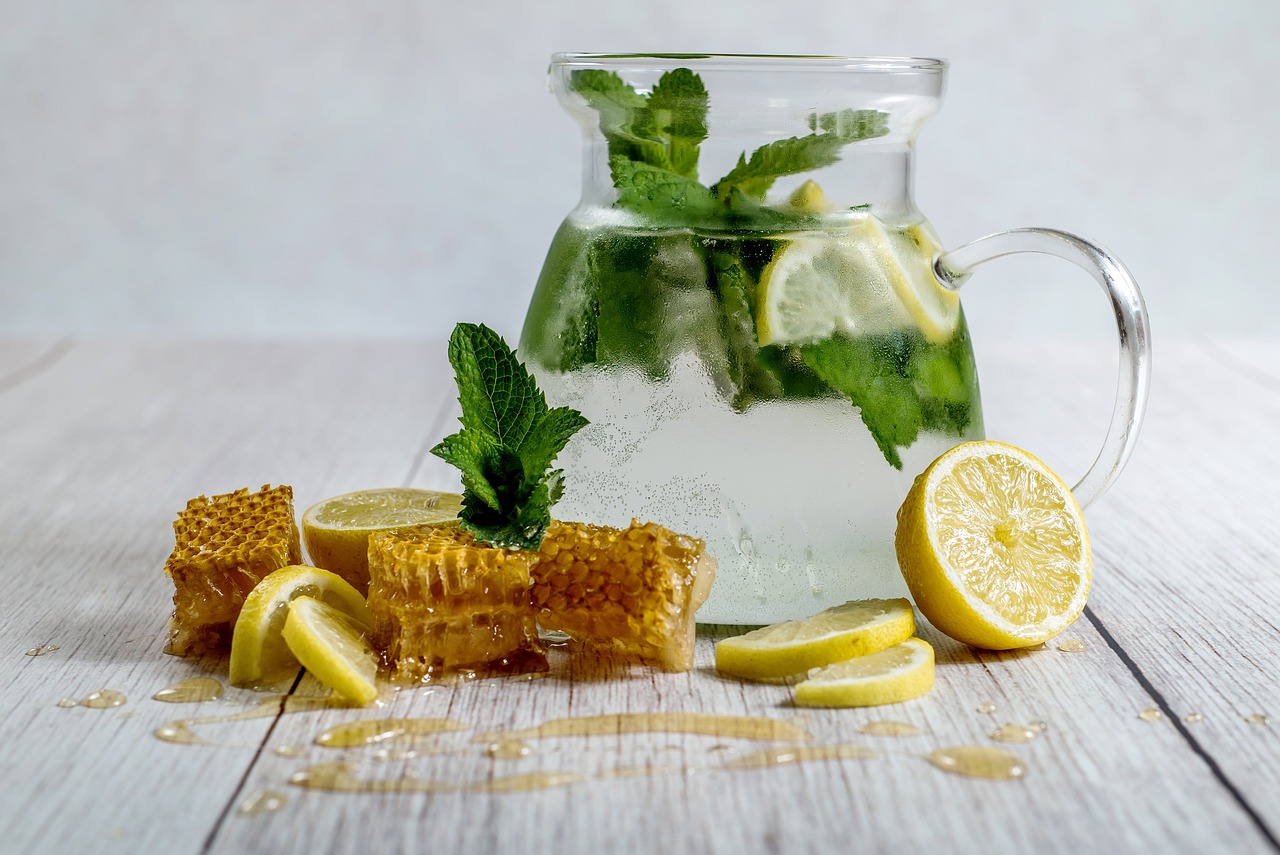

How to Make Your Own Electrolyte Drink for HIIT
High-Intensity Interval Training (HIIT) presents a formidable challenge that incorporates intense bursts of activity followed by short recovery periods. Engaging in such rigorous workouts not only demands substantial energy but also places a significant strain on the body’s hydration levels. To optimize performance during HIIT sessions, formulating a homemade electrolyte drink becomes essential. Electrolytes play a critical role in regulating fluid balance, muscle contractions, and nerve functions. Common electrolytes include sodium, potassium, calcium, and magnesium. With sweat loss during intense workouts, these essential minerals can deplete quickly. Thus, effectively replacing them becomes paramount for sustaining energy and reducing fatigue. Moreover, commercial sports drinks often contain added sugars and artificial additives that may not be desirable for everyone. By crafting your own electrolyte drink, you gain complete control over the ingredients, ensuring they align with your health goals. Plus, making your own drink can be cost-effective and fun! Let’s delve into the steps and essential components needed to create a DIY electrolyte drink that will keep you hydrated and energized throughout your strenuous HIIT sessions.
Key Ingredients for Your Electrolyte Drink
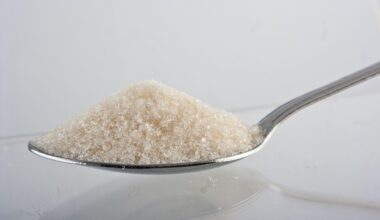
Creating an effective electrolyte drink begins with understanding what ingredients you need. Typically, you should include natural sources of electrolytes like sea salt and coconut water. Sea salt is rich in sodium, which helps retain water and maintain fluid balance in the body. Coconut water is celebrated for its high potassium content, essential for nerve function and muscle contractions. Additionally, lime or lemon juice can enhance the flavor while providing vitamin C, which supports immune function. If desired, honey or maple syrup can be added as a natural sweetener, providing quick energy without the crash associated with refined sugars. You might also want to incorporate magnesium-rich ingredients, such as chia seeds, for extra muscle support during those challenging HIIT sessions. Finally, water acts as the foundation of your drink, hydrating the body as you sweat. Always remember that hydration is pivotal, especially when engaging in high-intensity workouts. With the right combination of these ingredients, you can ensure that your homemade electrolyte drink offers the maximum benefits for your HIIT activities. Experiment and find what works best for your taste preferences!
To create your own electrolyte drink, you need to consider the proportions of each ingredient carefully. In a standard recipe, a good starting point is one cup of coconut water. Combine this with a tablespoon of sea salt, which effectively replaces lost sodium from sweat. Add freshly squeezed juice from one lime or lemon for flavor and vitamin C benefits. For sweetness and energy, include one to two tablespoons of honey or maple syrup. If you desire additional hydration, you can blend two cups of water into the mixture. This combination provides a balance of sodium, potassium, and other nutrients that are vital during intense training sessions. Stir the ingredients thoroughly until the salt dissolves completely. Taking your drink a step further, consider refrigeration for an hour prior to your HIIT session to enjoy a refreshing chilled beverage. This not only enhances taste but can also assist in cooling the body temperature during extreme exertion. Testing various ingredient ratios will allow you to create a beverage perfectly tailored to your fitness needs and preferences. Staying hydrated while training will greatly enhance your endurance levels and overall performance.
When making your own electrolyte drink, presentation and storage mean a great deal as well. Transfer your prepared drink into a sports bottle or a moisture-proof container for on-the-go hydration during workouts. Using a container designed for liquids helps prevent leaks and spillage. Additionally, you might choose to create multiple servings to ensure that your hydration needs are met throughout the week. Store your homemade drink in the fridge, and consume within five days for optimal freshness. If desired, consider preparing smaller batches to avoid waste and maintain ingredient integrity. You might enjoy experimenting with different flavors by incorporating fruits like berries or cucumber slices to enhance both taste and nutritional benefits. Infusing natural flavors into your drink can make it more enjoyable and encourage regular hydration during HIIT sessions. Remember to label your bottle to keep track of the ingredients used. Throughout your training, hydrating consistently will support endurance and lessen fatigue. Don’t hesitate to adjust your recipe based on your own experience during workouts to improve your hydration strategy and performance outcomes!
Hydration Before and After HIIT
The timing of your hydration is as crucial as the ingredients in your electrolyte drink. Hydrating adequately before your HIIT session sets a solid foundation for optimal performance. Aim to drink 16 to 20 ounces of water approximately two hours before exercising, giving your body ample time to absorb the water properly. Additionally, consider sipping on an electrolyte drink closer to your workout, ideally 30 minutes prior. This approach ensures that your body is well-equipped, decreasing the risk of dehydration during intense bursts of activity. After completing your HIIT session, your body continues to lose fluids and requires immediate replenishment. Therefore, consuming fluids and electrolyte-rich beverages right after your workout is essential for recovery. Remaining hydrated after exercise aids muscle recovery, fluid balance, and overall athletic performance. Aim for another 16 ounces of fluids within 30 minutes post-workout. Recovery shakes can be beneficial too because they offer protein along with hydration. To further optimize recovery, replenishing lost electrolytes can combat fatigue and enhance subsequent workouts. Overall, proper hydration management before and after training can make a difference in sustaining your energy levels.
Incorporating these hydration strategies into your HIIT routine can significantly enhance your performance and overall results. Monitoring your hydration status is necessary to ensure you’re meeting your individual needs, especially during periods of high intensity. One way to determine if you are adequately hydrated is by checking the color of your urine. A pale yellow color typically indicates good hydration, while dark yellow may signal a need for fluids. Additionally, listen to your body. If you’re feeling fatigued or experiencing muscle cramps, it could be a sign of dehydration. It is essential to adjust your fluid intake accordingly based on factors like workout intensity, duration, and personal sweat rate. For those engaging in extended HIIT sessions, a drink rich in electrolytes can provide quick energy and endurance benefits. Combining hydration education with your training can elevate your effectiveness in workouts while enhancing recovery. As you experiment with homemade electrolyte drinks, keep track of how you feel during and after training. This feedback is invaluable for adjusting recipes tailored to your hydration needs and overall fitness goals.
In conclusion, staying hydrated is vital during High-Intensity Interval Training, especially when developing a personalized electrolyte drink. Combatting dehydration effectively can lead to increased exercise performance, stamina, and faster recovery. By carefully selecting ingredients like coconut water, fresh juices, and sea salt, you will customize your drink to meet your specific needs. Adequate preparation and strategic consumption can provide numerous benefits as you navigate your workout routine. Becoming aware of electrolyte loss during HIIT training equips you to create strategies for replenishment. Homemade electrolyte drinks not only offer flexibility in flavor and convenience, but they also give you complete control over what you consume. Keep enhancing your hydration methods based on personal experiences and preferences, and always strive for improvement. With consistent practice and dedication, you’ll begin to feel the positive effects of proper hydration on your workouts. Ultimately, focusing on hydration will support your journey toward achieving your fitness goals, ensuring you stay healthy and energized. So, take the plunge, experiment with your homemade electrolyte drinks, and see how they can transform your HIIT experience!
Final Thoughts on DIY Electrolyte Drinks
Crafting your own electrolyte drink empowers you to take charge of your hydration strategy, especially amidst the physical demands of HIIT workouts. Monitoring your fluid intake, ingredient quality, and timing can significantly impact your performance and recovery post-training. The insights you’ve gathered will guide you in creating a product that tastefully meets your hydration needs. Utilize natural ingredients, control sweetness, and make it enjoyable; all play an essential role in adhering to your nutritional goals. Remember to experiment with flavors that resonate with you, ensuring your replenishers are both effective and pleasant. Throughout your training journey, continue to reflect on your hydration effectiveness and modify your drink recipe accordingly. In doing so, you’ll foster a healthier and energized training lifestyle that supports your fitness ambitions. Moreover, make hydration a habit—not just a necessity—leading to a positive mindset about your workouts. Armed with the knowledge of how to make your own electrolyte drink, you will be better prepared to tackle HIIT challenges with renewed vigor and prominent success. Ultimately, the journey toward better hydration will aid in propelling you through the rigorous physicality of High-Intensity Interval Training!