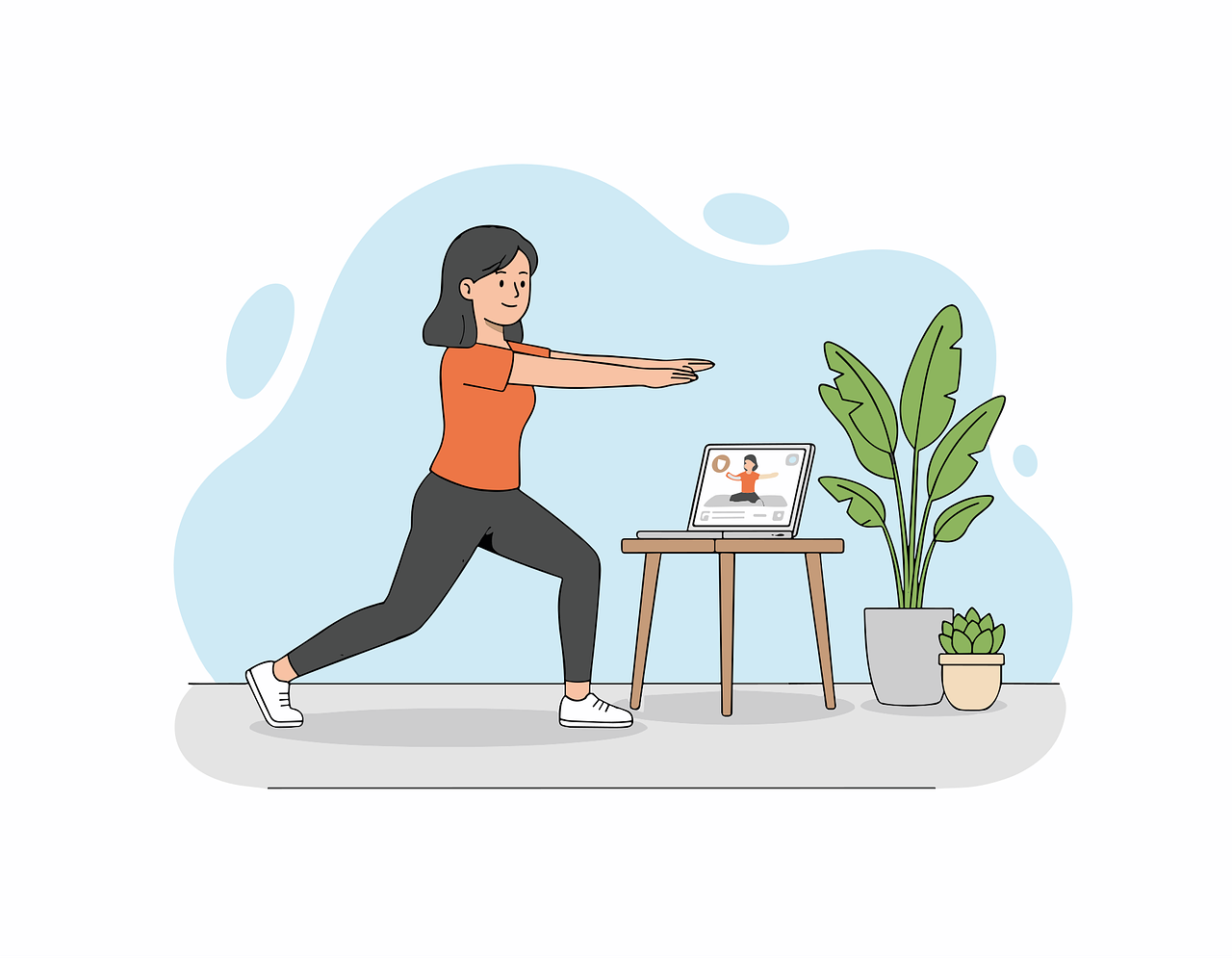

Adaptive Fitness Gamification: Making Exercise Fun and Inclusive
Adaptive fitness is a vital approach to ensuring that individuals with disabilities can engage in physical activity. With the advent of technology, particularly gamification, exercising has transformed into an exciting and inclusive experience. Gamification makes use of game design elements to increase motivation and engagement in fitness routines. By incorporating rewards, challenges, and levels, individuals can track their progress while enjoying their workouts. This approach encourages participation, making each session feel less like a chore and more like a fun game. With specialized apps and tools designed for adaptive fitness, everyone can set personal goals that are realistic and achievable. These resources can also foster a sense of community, allowing users to share accomplishments with friends and family. Furthermore, the focus on mobility aids and necessary adaptations ensures that no one is left behind. Gamification and adaptive fitness not only enhance the physical capabilities of users but also significantly improve their mental health and self-esteem. With inclusive programs, organizations can ensure that every person, regardless of their physical ability, feels empowered to lead an active lifestyle.
Innovative Technologies in Adaptive Fitness
The landscape of adaptive fitness has been significantly reshaped by innovative technologies that cater specifically to the needs of individuals with disabilities. Wearable devices have become crucial in tracking health metrics, thus motivating users to remain active. These gadgets monitor heart rates, distance traveled, and calories burned, providing real-time feedback. Incorporating sensors allows users to understand their bodies better and adjust their efforts accordingly. Fitness apps have integrated adaptive features such as text-to-speech options and customizable workout plans designed for various disabilities. Enhancements in virtual reality (VR) also offer immersive workout experiences that can be enjoyed from home. VR sessions can simulate real-world environments where users engage in workouts that challenge them physically while being enjoyable. Moreover, programs that involve augmented reality provide interactive experiences and challenges to help users stay motivated. Social media platforms host adaptive fitness communities that share successes and advice, fostering encouragement and solidarity among members. The combination of these technologies helps remove barriers that prevent many individuals from exercising, allowing for greater participation among diverse populations.
In the context of adaptive fitness gamification, the role of community support cannot be understated. Having a supportive network encourages individuals with disabilities to pursue their fitness goals more vigorously. Online platforms allow users to connect with others undergoing similar challenges and experiences. This social aspect of fitness can significantly boost motivation and adherence to exercise routines. Group challenges, virtual meet-ups, and shared success stories create a sense of camaraderie that enhances commitment to fitness. Programs often incorporate social sharing features, which invite friends and family to join or cheer participants, further enhancing accountability. The collective nature of these communities nurtures an inclusive atmosphere where everyone can thrive. By celebrating achievements together, users feel more valued and inspired. This motivational factor is critical in overcoming mental barriers that might deter physical activity. Additionally, partnerships with fitness trainers experienced in adaptive sports can offer personalized guidance. Collaborating with specialists can tailor workouts to meet individual needs effectively. Together, these elements create a robust community framework that reinforces the importance of shared experiences in adaptive fitness through gamified approaches.
Gamifying adaptive fitness can also significantly impact mental health and overall well-being for users with disabilities. Engaging in regular physical activity is widely recognized to reduce anxiety, depression, and stress levels. When exercise is combined with game elements, the experience becomes more enjoyable and rewarding. By turning workouts into fun challenges or competitions, participants are less likely to focus on discomfort or limitations. Instead, they concentrate on accomplishing mini-goals and earning rewards through their efforts. This perspective shift is essential in reframing exercise as an enjoyable rather than a tedious task. Additionally, the use of achievements and badges can facilitate a sense of accomplishment. Tracking progress and celebrating small victories along the way fosters positive behaviors and encourages users to set higher milestones. As participants share their achievements within communities, they receive kudos and recognition, which further reinforces positive feelings around fitness. Ultimately, the integration of gamification in adaptive fitness can contribute to a healthier mindset and an improved quality of life for individuals with disabilities. This holistic approach emphasizes that fitness is not just physical but also mental and emotional.
Creating an Inclusive Fitness Environment
Creating an inclusive fitness environment is essential to ensuring that adaptive fitness programs are accessible and enjoyable for everyone, regardless of ability. Facilities and organizations must design spaces that accommodate individuals with varying physical needs. This includes having accessible equipment, such as adaptive bikes or modified weights, to provide everyone with suitable options. Training fitness staff on adaptive techniques and inclusive practices is equally important. They should be knowledgeable about adapting exercises for various conditions and able to guide clients effectively. Additionally, establishing partnerships with local adaptive sports organizations can help gyms expand their offerings. Hosting community events that focus on adaptive fitness can raise awareness and showcase the benefits of physical activity for individuals with disabilities. Educational workshops can also inspire and encourage collaboration between traditional fitness enthusiasts and adaptive athletes. Continuous feedback from users can help shape these programs and ensure they meet the community’s needs. Moreover, incorporating visually motivating graphics and gamified tasks in promotional materials can attract a broader audience, emphasizing inclusivity. This proactive approach can help dismantle stigmas, enabling a more supportive and understanding community atmosphere.
In conclusion, the combination of adaptive fitness and gamification presents an exciting opportunity to make exercise engaging and accessible for individuals with disabilities. By utilizing technology, fostering community support, and focusing on inclusive practices, fitness experiences can transform for the better. The adoption of innovative tools encourages individuals to pursue their fitness journeys with enthusiasm and excitement. Gamification influences motivation, making sure that workouts do not feel like burdensome tasks but enjoyable activities. Mental and emotional health benefits further emphasize the positive impact of engaging in adaptive fitness routines. Ultimately, the collaboration of fitness professionals, developers, and community members creates a supportive environment where everyone can thrive. By adapting exercises and utilizing gamified elements, the potential to inspire change becomes limitless. The next generation of adaptive fitness can ensure inclusivity, motivating all individuals to become active participants in their health and wellness journeys. The shared celebration of achievements bolsters community bonds, reinforcing the idea that everyone deserves the opportunity to experience the joy of movement together.
To truly maximize the potential of adaptive fitness gamification, continuing the conversation around its importance remains crucial. As industries evolve, there is a growing need to advocate for policies that support inclusivity in fitness. This means pushing for funding, resources, and training that enable organizations to develop adaptive fitness programs. Furthermore, promoting awareness and educating the public on the significance of adaptive fitness can help shift perceptions and diminish stereotypes around disabilities. Engaging with stakeholders, including state and local government, can catalyze the implementation of initiatives that foster adaptive sports. Collaboration with non-profit organizations can also help ensure sustainability in these efforts. By creating an ongoing dialogue, we can better understand the unique challenges faced by individuals with disabilities and devise creative solutions to address them. In this way, adaptive fitness can evolve, incorporating advances in technology and communities’ needs. When we advocate for adaptive fitness gamification, we contribute to a future where everyone has the ability to participate in health-inducing activities. The vision is clear: an inclusive fitness realm where individuals celebrate movement, progress, and community together.