
The Role of Pilates in Preventing Spine Degeneration
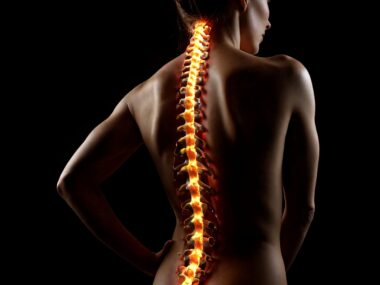
Pilates is a physical fitness system that focuses on strengthening muscles while improving postural alignment and flexibility. It concentrates on core strength, which helps stabilize the body during various activities. One significant benefit of Pilates is its emphasis on maintaining a healthy spine. The spine houses the spinal cord, which is essential for nerve function and communication between the brain and the body. As people age, their spinal discs may degenerate due to factors such as poor posture, lack of exercise, and unhealthy habits. This degeneration can lead to discomfort, pain, and limited mobility. Engaging in Pilates can help counteract these effects by promoting proper alignment, movement control, and strength support. Moreover, the practice encourages mindfulness and body awareness, turning each session into a therapeutic experience for your back. By integrating breathing techniques with structured movements, practitioners learn to engage the deeper muscles of the spine, preventing deterioration. Consequently, Pilates can help maintain spinal integrity and function, leading to a healthier, more active lifestyle. This preventative approach to spine health is increasingly recognized by physical therapists and other health professionals alike.
The focusing aspect of Pilates on core strength not only aids with stabilization but also plays a significant role in spine health. The core, consisting of various muscles surrounding the abdomen and lower back, provides support to the spine during dynamic movements. Engaging in exercises that enhance core stability can potentially reduce the risk of injury. Additionally, strengthening the core can assist in correcting postural imbalances that contribute to degeneration of spinal structures over time. A strong core allows the spine to maintain a neutral alignment, reducing stress on the discs and joints. Importantly, many Pilates exercises are low-impact, making them suitable for individuals of varying fitness levels, particularly those who may experience back pain. These exercises can be modified to accommodate specific needs, delivering customized benefits while ensuring safety. As individuals improve their core strength through Pilates, they often experience increased awareness of their body mechanics. This informed perspective can lead to lasting changes in how they engage with everyday activities. As a result, Pilates serves as both a proactive and rehabilitative approach to maintaining spine health, promoting overall well-being and physical vitality.
Improved Flexibility and Its Impact on Spine Health
Another crucial benefit of Pilates is the enhancement of flexibility, which is vital for maintaining spine health. Flexible muscles and joints allow for a greater range of motion. When individuals possess flexibility, they are less likely to experience strains or injuries during physical activity. In particular, the muscles surrounding the spine must remain elastic to support proper movement mechanics. During Pilates sessions, dynamic stretches target these important muscle groups, facilitating flexibility and reducing intervertebral pressure. This release allows for better spinal alignment, which can prevent future degeneration. Additionally, improving hamstring and hip flexor flexibility can alleviate tension in the lower back, a common issue among many adults. Practicing Pilates regularly can help create a balanced body where every muscle group plays its supportive role. Enhanced flexibility results in a more adaptable spine, allowing individuals to engage in a variety of physical activities with confidence. Furthermore, these benefits can translate into daily life, reducing discomfort while sitting, bending, or lifting. As flexibility improves, individuals may find an increased ability to enjoy their favorite activities without the burden of pain, reflecting Pilates’ positive impact on overall wellness.
Breath control is an essential component of Pilates practice, aiding in maximizing the benefits of each session. Through proper breathing techniques, individuals learn to engage their core muscles efficiently while relaxing other areas, thereby promoting tension release. This combination of strength and relaxation can significantly impact spinal health by allowing for optimal movement patterns. Breath also enhances oxygen and nutrient delivery to the muscles, which is fundamental in the recovery process. By synchronizing breath with movement, practitioners cultivate greater body awareness, enabling them to detect and correct deviations that may contribute to spinal issues. This mindful approach is not just beneficial during Pilates sessions, as it can be applied in everyday life, helping to maintain a healthy posture throughout various activities. People who adopt Pilates breathing techniques can find themselves experiencing less tension during stressful situations. This dual focus on stress management and physical support leads to improved spinal function and overall health. Consequently, the inclusion of breath work in Pilates differentiates it from other physical activities, providing an integrative approach to maintaining longevity and vitality within the spine, contributing to overall physical wellness.
The Role of Mind-Body Connection
A significant element of Pilates is its emphasis on developing a stronger mind-body connection, which can directly benefit spine health. Practicing Pilates fosters an awareness of body alignment, leading individuals to pay closer attention to how they carry themselves in daily activities. This heightened awareness cultivates better posture and alignment throughout everyday movements, ultimately reducing the risk of strain or stress on the spine. Furthermore, a strong mind-body connection supports emotional well-being, as individuals learn to tune in to their physical sensations, releasing pent-up tension and stress. Improved mental focus during Pilates contributes to more effective workouts, resulting in enhanced physical outcomes over time. As participants familiarize themselves with their bodies, they become more adept at recognizing the signs of poor posture or discomfort, prompting timely adjustments. Additionally, this connection facilitates a proactive approach to spine health, as postural improvements extend beyond the Pilates studio into daily life. By embedding these positive habits into routines, individuals are likely to experience lasting benefits as they build a more resilient and functional spine. The mind-body relationship strengthens the effectiveness of Pilates, offering profound advantages for those looking to maintain spinal health.
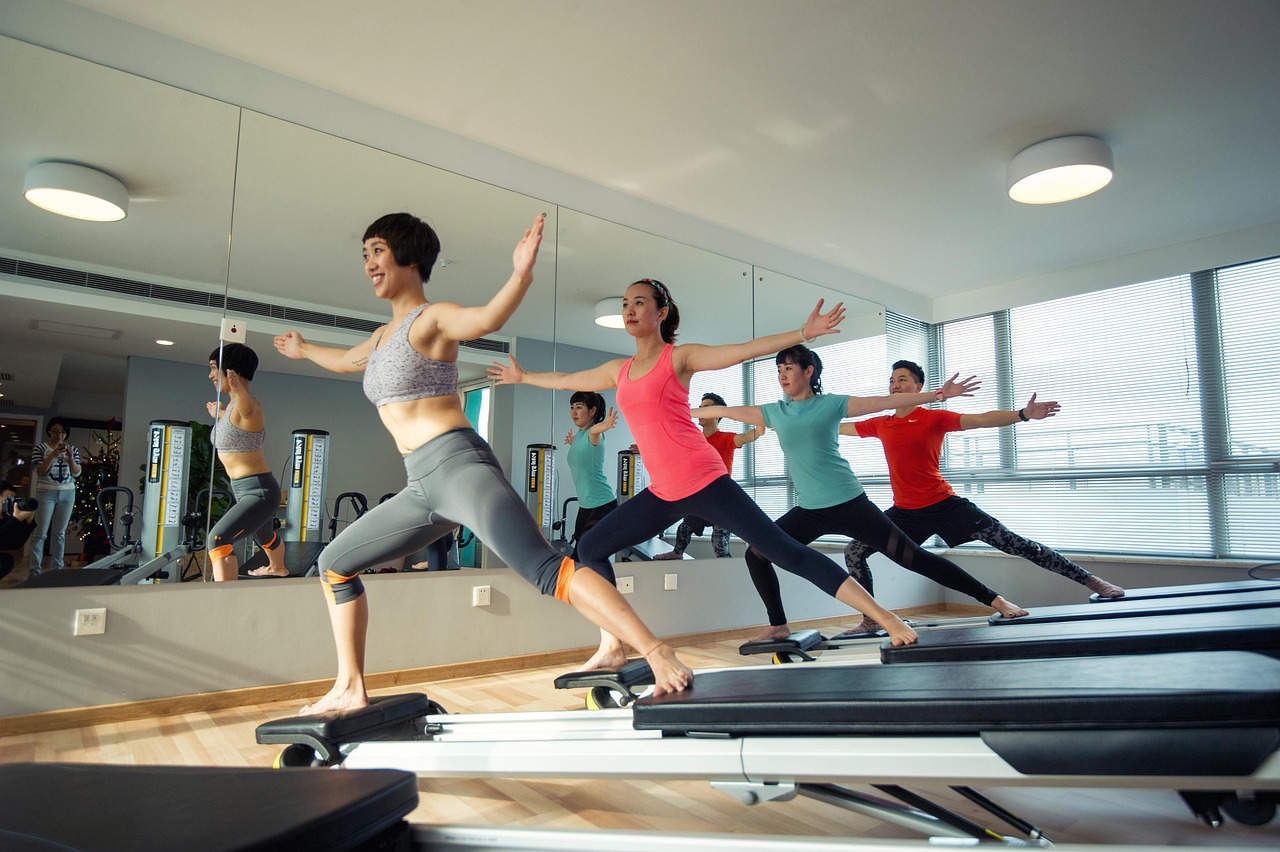
Moreover, exploring Pilates in a group setting can enhance motivation and accountability while helping individuals connect with their peers. Community support in Pilates classes fosters a sense of belonging, reinforcing consistency in practice. Regular attendance encourages participants to stay committed, thereby reaping the full benefits of improved core strength, flexibility, and muscle tone. Engaging with others also adds a social dimension to workouts, which can be vital for mental health. Positive reinforcement from fellow class members provides encouragement, enhancing motivation and fostering a commitment to long-term health. As individuals share their goals and progress, they build camaraderie that aids in reinforcing desired behaviors. Group classes often feature experienced instructors who guide participants in performing exercises correctly and safely, reducing the risk of injury. Exposure to a variety of exercises and techniques can expand knowledge and enhance overall practice. This collaborative environment amplifies the benefits of Pilates, as individuals progress together, encouraging one another along the way. Importantly, maintaining spine health becomes a shared goal among peers, amplifying the impact of this vital practice and contributing to a more vibrant life for all participants.
Conclusion: Embracing Pilates for Optimal Spine Health
Pilates presents numerous benefits specifically tailored for promoting spinal health and preventing degeneration over time. Integrating core strength, flexibility, breath control, and a conscious mind-body connection forms a holistic approach to maintaining optimal spinal function. Engaging in Pilates regularly can fundamentally enhance posture, leading to a healthier spine and more active lifestyle. The practice emphasizes injury prevention by equipping practitioners with the tools to manage their posture and mechanics effectively. Additionally, group settings offer encouragement, social interaction, and support that bolster motivation and adherence to practice. As these attributes contribute to long-lasting improvements, individuals are likely to experience enhanced quality of life, reduced discomfort, and increased vitality. Overall, combining Pilates techniques with educated awareness can significantly benefit anyone concerned about their spinal health. With proper guidance and commitment, practitioners of all levels can discover how Pilates empowers them to embrace an active lifestyle while preserving the integrity of their spines, ultimately reflecting the importance of maintaining a healthy back. Therefore, considering Pilates as part of a comprehensive wellness strategy is crucial for long-term spine health and functional quality of life.
Conclusion: Embracing Pilates for Optimal Spine Health
Pilates presents numerous benefits specifically tailored for promoting spinal health and preventing degeneration over time. Integrating core strength, flexibility, breath control, and a conscious mind-body connection forms a holistic approach to maintaining optimal spinal function. Engaging in Pilates regularly can fundamentally enhance posture, leading to a healthier spine and more active lifestyle. The practice emphasizes injury prevention by equipping practitioners with the tools to manage their posture and mechanics effectively. Additionally, group settings offer encouragement, social interaction, and support that bolster motivation and adherence to practice. As these attributes contribute to long-lasting improvements, individuals are likely to experience enhanced quality of life, reduced discomfort, and increased vitality. Overall, combining Pilates techniques with educated awareness can significantly benefit anyone concerned about their spinal health. With proper guidance and commitment, practitioners of all levels can discover how Pilates empowers them to embrace an active lifestyle while preserving the integrity of their spines, ultimately reflecting the importance of maintaining a healthy back. Therefore, considering Pilates as part of a comprehensive wellness strategy is crucial for long-term spine health and functional quality of life.