
Mindfulness and Emotional Balance: A Guide for Yoga Practitioners
Practicing yoga goes beyond physical postures; it encompasses mental clarity and emotional stability. This holistic approach emphasizes the relationship between mindfulness and emotional regulation. Combining conscious breathing with physical movement facilitates a deeper emotional connection. Understanding emotions during yoga is revealed through self-awareness, fostering a mind-body connection crucial for emotional balance. When practitioners engage in mindful yoga, they experience heightened awareness of their feelings and bodily sensations. This awareness aids in recognizing emotional triggers, subsequently leading to healthier responses. As you settle into each pose, focus on how your body feels and acknowledge any emotional discomfort without judgment. This process reveals the healing potential within yoga, offering tools to manage various emotional states effectively. Regular practice cultivates resilience, allowing practitioners to confront life’s challenges with calmness. Practicing mindfulness in yoga encourages letting go of stress and anxiety, leading to a rejuvenated state of being. Check out local studios and workshops to learn specific mindfulness techniques integrated into yoga. Embrace the journey of self-discovery and emotional regulation through mindful practices in your yoga routine.
The Importance of Mindfulness
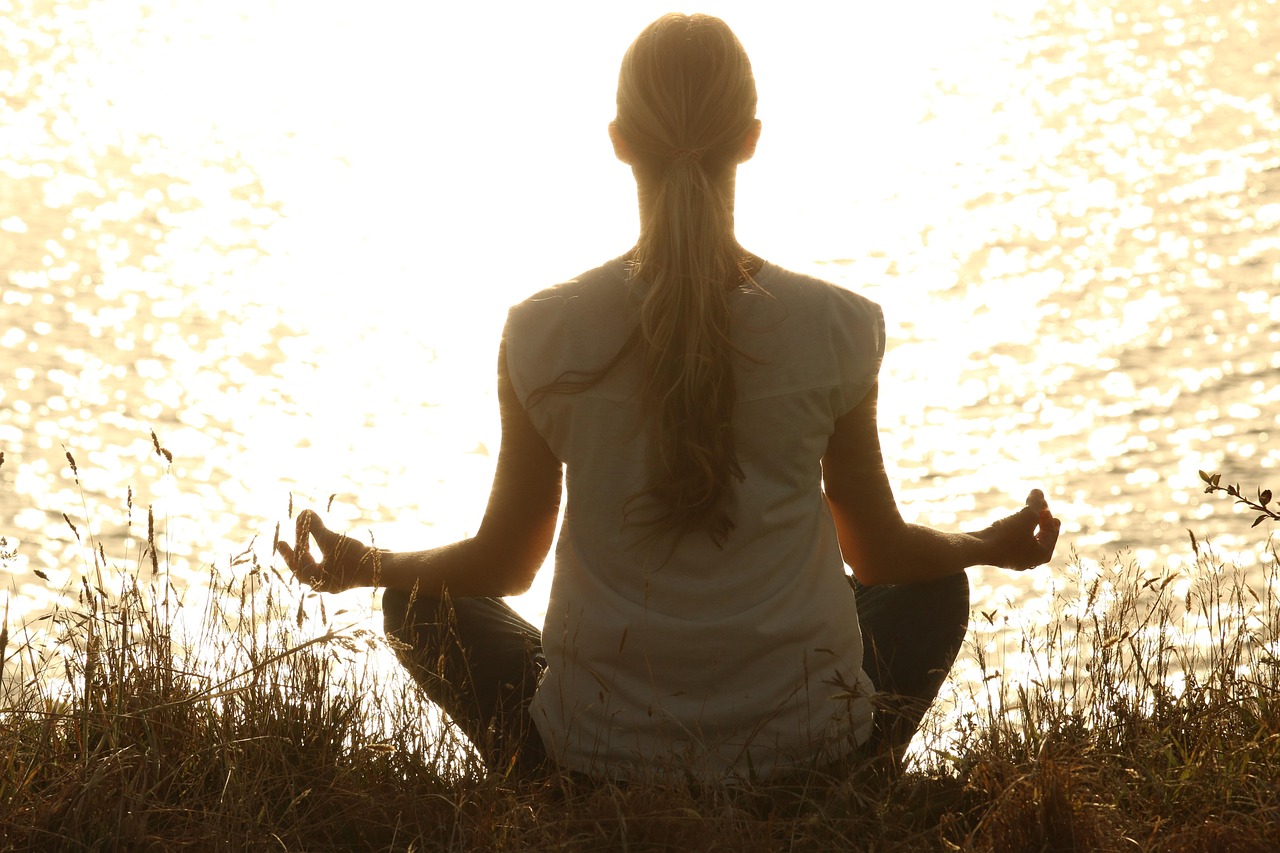
Mindfulness plays a pivotal role in yoga, enhancing physical and emotional well-being. By focusing on the present moment, yoga enthusiasts cultivate a deeper understanding of their inner landscape. This process supports emotional regulation, vital for maintaining balance amidst life’s fluctuations. Engaging in mindfulness during yoga practice helps prevent the automatic responses triggered by emotions, fostering deliberate decision-making instead. Practitioners recognize how their emotions manifest physically, which aids in addressing stressors effectively. For example, during seated meditation, acknowledge tension in your body and consciously breathe into those areas to release discomfort. This practice results in heightened emotional awareness, paving the way for healthier coping mechanisms. Incorporating mindfulness techniques into weekly routines can also greatly enhance emotional resilience. Consider maintaining a journal to reflect on feelings experienced before, during, and after yoga sessions. By tracking emotional patterns, practitioners gain valuable insights into their emotional responses. Over time, these insights contribute to an improved capacity to process and express emotions authentically. As such, mindfulness emerges as a key component in achieving emotional balance through yoga practices.
To foster emotional regulation through yoga, practitioners should focus on breathing techniques. Breath serves as a vital anchor, connecting body and mind in the present moment. Building upon this connection enables practitioners to manage stress effectively and calm their nervous systems when overwhelmed. Techniques such as deep belly breathing and box breathing provide immediate benefits. Deep belly breathing encourages full oxygen absorption, activating the parasympathetic nervous system and promoting relaxation. Alternatively, box breathing involves inhaling, holding, exhaling, and holding your breath again, each for a specific count. This rhythmic pattern instills a sense of control over emotional responses in challenging situations. Mindful breathing exercises can also be integrated into daily routines, further strengthening emotional resilience outside of yoga sessions. By practicing mindful breathing whenever stress arises, individuals can cultivate a habit that allows immediate access to calmness. As a result, integrating breath awareness into your yoga practice fosters emotional stability over time. Practitioners who embrace mindful breathing techniques will find themselves more equipped to navigate various emotions, enhancing their overall yoga experience.
Emotional Awareness in Yoga
Developing emotional awareness in yoga is essential for personal growth and healing. This process begins with creating a safe space to explore emotions without judgment. Yoga practitioners learn to identify feelings that arise during practice, allowing for emotional expression and release. Integrating emotional awareness into yoga helps individuals better understand their thoughts and behaviors, leading to meaningful insights about their well-being. For instance, recognizing sadness or frustration on the mat may reveal underlying issues in daily life. Yoga serves as a tool to process these emotions and cultivate greater self-awareness. Maintaining an open mind towards your feelings while practicing fosters personal transformation. It is essential to approach each session with curiosity rather than judgment; this attitude creates a welcoming environment for emotional exploration. Practitioners may also combine mindfulness techniques, such as visualization, to encourage emotional processing. Visualizing specific emotions during poses helps in acknowledging and addressing them constructively. Through these practices, yoga becomes a powerful catalyst for emotional healing and growth, contributing to long-term emotional balance and wellness.
The role of meditation in yoga cannot be overlooked when discussing emotional regulation. Meditation cultivates a deep connection with one’s thoughts and feelings, enhancing emotional awareness. Numerous studies have demonstrated meditation’s effectiveness in reducing anxiety and depression symptoms, showcasing its benefits. Through meditation, practitioners develop skills to observe their emotions neutrally, which assists in breaking negative emotional patterns. By practicing regularly, individuals can reshape their relationship with their emotions over time. Mindful meditation encourages practitioners to cultivate compassion for themselves, even when experiencing difficult emotions. This self-compassion fosters a non-judgmental attitude towards one’s feelings, ultimately allowing for greater emotional resilience. Alongside physical postures, incorporating a meditation practice deepens the overall experience of yoga. Specific techniques, such as loving-kindness meditation, promote empathy and understanding towards oneself and others. This approach not only supports personal development but also enhances social connections. Meditation practices can be fluidly integrated into yoga sessions, enabling a holistic approach to emotional regulation. The combination of movement, breath, and meditation creates a transformative experience for yoga practitioners.
Setting Intentions
Setting intentions during yoga practice can significantly enhance emotional regulation and mindfulness. This process invites practitioners to clarify what they hope to achieve, both physically and emotionally, during their session. By establishing intentions, yogis focus their energy, guiding their practice towards self-discovery and healing. Intentions may range from cultivating gratitude to fostering self-love, providing a thematic anchor for each session. When individuals set positive intentions, they create a powerful mindset that influences their emotional experience. Practitioners are encouraged to take a moment before beginning to breathe deeply and reflect on their intentions. Repeating these intentions quietly in the mind while transitioning through poses solidifies their presence throughout the practice. This consistent focus not only enhances emotional awareness but also reinforces positive beliefs about oneself. Additionally, sharing or writing down intentions can foster accountability and commitment to one’s personal growth journey. As practitioners continue setting intentions, they may notice their emotional responses evolve, leading to increased emotional stability over time. Embracing this practice can transform the yoga experience into a meaningful journey of self-exploration.
Finally, integrating self-care practices into the yoga routine enhances emotional regulation further. Self-care involves attending to one’s needs and nurturing mental well-being outside of the yoga session. Activities such as journaling, nature walks, or creative expression can complement yoga practice. Prioritizing self-care creates a comprehensive approach to emotional balance and mindfulness. By understanding that emotional health is a continuous journey, practitioners become more equipped to manage challenging emotions. Self-care also promotes relaxation and reduces stress levels, which benefits overall wellness. Practitioners can experiment with various self-care activities to discover what resonates most. For instance, some may find solace in art while others might connect deeply with nature. Establishing a regular self-care routine reinforces the importance of emotional well-being. Ultimately, combining yoga practice with self-care fosters a sustainable path toward emotional balance. Regular reflection on emotional progress, along with practicing yoga and self-care, creates lasting positive change. This comprehensive approach empowers individuals, leading to an enriching and fulfilling yoga journey.
As yoga practitioners immerse themselves in the journey of mindfulness and emotional regulation, they can navigate life’s challenges with greater ease and clarity. By combining yoga, mindfulness, and self-care practices, individuals can cultivate emotional resilience and well-being. Through consistent practice, mindfulness in fitness emerges as a powerful tool for both personal growth and emotional balance. Practitioners who commit to this journey will reap transformative benefits, enhancing not only their yoga experience but also their overall quality of life. Start integrating these practices today and witness the positive changes unfolding in your emotional world.