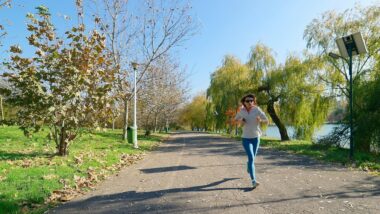

Adapting to Different Terrains
Bodyweight workouts are extremely versatile, allowing for flexibility in outdoor environments. Adapting your routine according to the terrain is essential. Performing exercises on varied surfaces like grass, sand, or gravel can impact your workout intensity. For instance, sandy areas require more muscle control and effort during movements, thus increasing calorie expenditure. Incorporating incline and decline exercises on hills can elevate heart rate and test your strength. It is vital to assess the ground conditions; avoid unsafe or slippery surfaces to minimize injuries. Choose natural landmarks as workout stations during your routines. Utilize benches, rocks, and trees for dips, step-ups, or pull-ups. Adjusting rep ranges or exercise types according to terrain provides variety and keeps workouts fresh. Listen to your body; if terrain feels too challenging, modify your approach. Engaging with the outdoors also enhances mental well-being through nature. Experiencing fresh air and varying scenery can uplift your spirits and motivate you to stay consistent. Always remember to warm up adequately before engaging in outdoor workouts. Equally, maintain hydration, especially in warmer conditions. Outdoor workouts can be highly rewarding if approached with mindfulness and adaptability. Embrace your surroundings and get creative!
For more challenging terrain, like rocky paths, bodyweight exercises can also be adjusted. These terrains require more core stability and balance, fostering better muscle engagement. When performing movements like squats and lunges, ensure a controlled pace to navigate uneven surfaces effectively. Slow, deliberate movements help in developing strength while minimizing fall risk. Incorporating movements that include multiple muscle groups can enhance overall performance. For instance, consider burpees or mountain climbers, as they provide an excellent full-body workout. Keep an eye on your surroundings; any hidden obstacles can lead to injury. If you’re using a park or outdoor facility, check for equipment that can enhance your workout. Calisthenics parks usually have bars for pull-ups or parallel bars for various exercises. Using available structures allows you to target different muscle groups effectively. Additionally, changing up your workout locations from time to time can refresh your routine. Explore different parks and outdoor spaces to avoid monotony in your workouts. Always prioritize your safety; either train alone or find a partner, especially in isolated areas. This ensures you have support in case of emergencies. Consistency is vital for achieving fitness goals, so adapt wisely.
Weather Considerations
Weather conditions significantly affect outdoor workouts. Rainy days can cause slippery surfaces, increasing your risk of falling and injuries. It’s essential to adapt your workout plan based on the forecast, perhaps incorporating more sheltered areas for protection. Alternatively, cloudy days are often excellent for bodyweight workouts because temperatures are generally cooler. On hot, sunny days, wear appropriate clothing and apply sunscreen to protect against harmful UV rays. Including hydration breaks into your workout ensures that you adequately replenish lost fluids while exercising outdoors. On cooler days, a proper warm-up becomes even more crucial, as cold muscles are more susceptible to injury. Incorporate dynamic stretches to get your blood flowing. As seasons change, adjust your workouts; winter may require more indoor alternatives if outdoor conditions become hazardous due to snow or ice. Create a home workout regimen involving bodyweight exercises that can keep you fit when you can’t go outside. The key to successful outdoor workouts is adaptability. Be prepared to shift your routine as necessary when weather conditions change, ensuring that you maximize the effectiveness of your exercise regimen while maintaining safety.
Engagement with nature during your outdoor workouts can enhance your overall experience. Incorporate elements of mindfulness by connecting with your surroundings. Try incorporating deep breathing techniques during pauses in exercise, allowing you to appreciate the beauty around you. The tranquility of nature often fosters a more positive mindset, promoting mental clarity and well-being. Use the time outdoors to reflect on personal goals and achievements. Setting small, achievable fitness milestones related to your outdoor workouts can provide motivation. Assess your progress regularly, adjusting your routines based on what works best for you. Recording workouts in a fitness journal can help track these advancements. It also creates a sense of accomplishment when you see how far you’ve come. Engaging in group workouts can enhance motivation while socializing with others. Outdoor fitness groups often offer support and camaraderie, making workouts enjoyable. Consider joining local fitness communities to expand your social circle. Participating in events like outdoor boot camps or fitness challenges can also provide structure and purpose. Always remember, the essence of outdoor workouts lies in enjoyment and exploration. Get creative with fitness routines while embracing the natural world.
Varying Bodyweight Exercises
When it comes to bodyweight exercises, variety is key to maintaining interest and effectiveness. Take advantage of your outdoor environment by exploring different types of movements. Incorporating push-ups, squats, lunges, and core exercises can create a complete workout not reliant on equipment. Consider utilizing bodyweight variations that challenge balance, such as pistol squats. These can significantly improve leg strength while requiring stability. Incorporating animal flow exercises, mimicking movements of animals, can engage different muscle groups and boost mobility. For example, bear crawls and crab walks provide excellent full-body conditioning. Seasonal changes can also guide variations in your outdoor workouts; utilize structures like logs in spring or park benches during summer months. Change your environment regularly to keep excitement alive. Exploring new locations can present natural hurdles like hills or sand that further challenge your fitness level. As your fitness improves, add complexity to your movements; increase rep counts or try more advanced variations. This progressive overload principle is crucial for building strength and endurance. Engaging actively with your environment allows more creativity in structuring workouts. Most importantly, always listen to your body when trying new techniques!
Outdoor workouts truly foster a sense of community when shared with friends or family. Setting up group training sessions can simultaneously encourage and motivate everyone involved. They can enjoy the benefits of training in varied environments while holding each other accountable for fitness goals. Participating in joint outdoor exercises enhances enjoyment and creates a supportive atmosphere. If you’re looking to connect with like-minded individuals, consider joining local fitness classes or meetups. Challenge each other’s limits and share fun approaches to workouts. During group sessions, individuals can share tips and experiences to enhance overall effectiveness. Furthermore, group training often leads to friendly competitions, which can boost motivation. Whether it’s timed sprints or who can perform the most squats, challenges like these bond participants while fostering improvement. Don’t forget about the importance of cool-down stretches at the conclusion of workouts. Including stretches is essential to mitigate soreness and boost flexibility. Encourage participants to find picturesque spots for these post-training revelations, as this can enhance the enjoyment. Sharing this experience amidst nature ultimately leads to a more profound appreciation for outdoor workouts. Remember to celebrate achievements together, reinforcing community connections and commitment.
Conclusion: The Benefits of Exploring Outdoor Bodyweight Workouts
In conclusion, outdoor bodyweight workouts offer numerous benefits, from enhancing physical fitness to promoting mental well-being. The exposure to fresh air and natural light allows participants to feel energized, significantly increasing their enjoyment of exercise. Maintaining a variety of exercises based on terrain, weather, and group settings creates a more dynamic workout experience. Engage with nature to break monotony, while also enabling you to appreciate the environment, which can improve your state of mind. Incorporating mindful techniques such as focused breathing can also amplify the benefits of outdoor workouts, promoting relaxation. Embracing different outdoor spaces allows you to explore new locations, leading to a sense of adventure and excitement in your routine. Challenge your limits as you navigate various terrains; with time, you will notice improvements in strength and endurance. Collaborating with peers can lead to positive reinforcement and create lasting friendships built on shared fitness goals. Adapt your routines according to personal needs, ensuring workouts remain enjoyable. Ultimately, outdoor workouts should be fulfilling and promote a healthy lifestyle. Harness the advantages of exercising outdoors by consistently exploring new challenges while engaging with your environment.
As you progress in your outdoor bodyweight journey, always strive for balance and moderation to prevent burnout or injury. Diversifying your approach ensures continued engagement and helps you reap all benefits outdoor fitness has to offer. Equip yourself with knowledge, tools, and a positive mindset to navigate through the challenges offered by diverse terrains and conditions. Celebrate every small victory on your path; these achievements contribute significantly to long-term health and wellness outcomes. Embrace the journey, connect deeply with the outdoors, and enjoy the myriad possibilities of exploring bodyweight workouts beyond traditional indoor settings!