
The Role of Breathing Techniques in Open Water Swimming
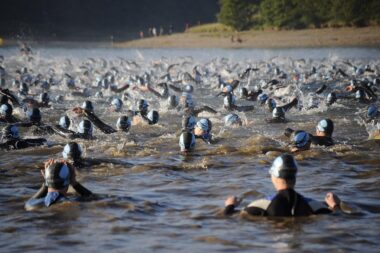
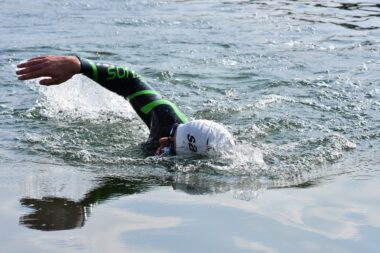
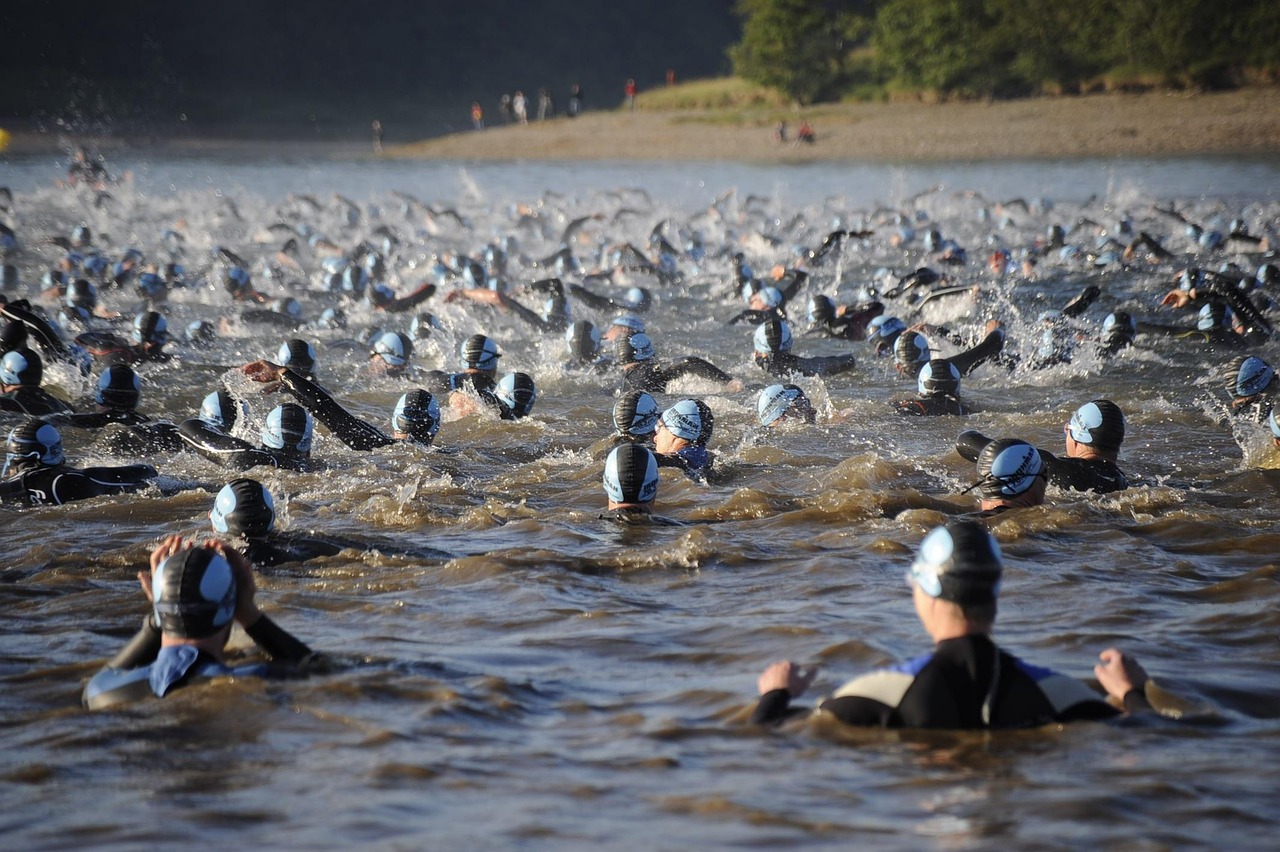
Breathing is a critical aspect of open water swimming, as it influences overall performance and efficiency. Correct breathing techniques can help swimmers manage their buoyancy and prevent fatigue, which is paramount during long distances. Open water presents unique challenges, including waves and currents, making it necessary to develop an effective breathing strategy. In contrast to pool swimming, where swimmers have predictable conditions, open water environments require adaptability. To ensure a successful experience, swimmers should focus on multiple aspects of their breathing pattern. Breathing rhythmically helps maintain a steady heart rate, reinforces propulsion, and conserves energy. Furthermore, utilizing proper exhalation techniques can prevent the inhalation of unwanted water. Incorporating these strategies into training can lead to improvements in both comfort and performance. Swimmers must practice frequently to develop muscle memory for these techniques. They may also benefit from specific drills designed to enhance breathing skills while in the open water. Ultimately, mastering breathing can significantly enhance a swimmer’s capability to tackle the unpredictable elements of nature. Attention to this detail can distinguish an experienced swimmer from a novice in demanding conditions.
Developing Breathing Patterns
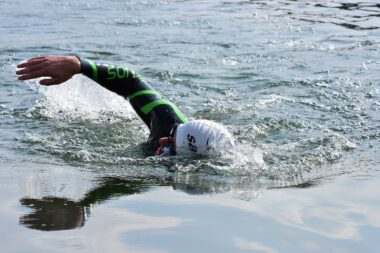
To effectively control breathing during open water swims, swimmers must establish consistent breathing patterns. One useful technique is bilateral breathing, which involves inhaling alternately on both sides of the body. This method helps improve balance in strokes and enhances spatial awareness, allowing swimmers to maintain a straight line in the water. Additionally, bilateral breathing can assist in spotting other swimmers or potential obstacles efficiently. By practicing this technique consistently, swimmers can become more comfortable with sighting, making adjustments as necessary. It also promotes an even stroke, reducing muscle fatigue over time. Swimmers are encouraged to experiment with different intervals, such as breathing every two or three strokes, to find their optimal rhythm. Integrating breathing exercises into warm-ups and cool-downs is also beneficial. Specific drills, such as swimming with a snorkel, can force swimmers to focus solely on their breathing technique. It is crucial to practice while emulating race conditions, which might include swells or choppy water. Recognizing that breathing is unique to each swimmer is essential, thus they should embrace styles that yield the best results according to personal comfort and efficiency.
Understanding the Role of Exhalation
Equally important as inhaling is the proper technique for exhalation in open water swimming. Effective exhalation strategies can greatly influence the clarity of inhaled air. Experienced swimmers develop a habit of exhaling fully before taking a breath, which ensures they take in fresh, clean air. This practice is vital in conditions where water might splash or break over the swimmer’s face. Timing exhalation correctly prevents panic and allows for a smoother transition into inhalation. Swimmers should exhale slowly and steadily while their face is in the water. This rhythm creates a sense of control and reduces anxiety. In some cases, swimmers may find themselves swallowing water, which can disturb their breathing pattern. To counteract this, focusing on exhalation is critical; a long, consistent breath-on-exit technique can remedy this issue. Moreover, recognizing one’s limits regarding breathing duration is key. Swimmers should not hesitate to modify their breathing methods to ensure efficiency, especially when affected by fatigue. Practicing strategic exhalation can include engaging in various breathing suits or exercises that enhance mastery of this skill, which can be beneficial in both practice and race scenarios.
The Importance of Sighting
In open water swimming, efficiently integrating sighting with breathing techniques is vital for navigation. Sighting refers to the action of lifting the head to glance forward, facilitating direction and awareness of surrounding conditions. Effective sighting involves synchronizing breathing patterns with head lifts to maintain a smooth stroke while ensuring proper positioning. Swimmers should practice incorporating sighting into their training seamlessly, allowing habit formation. A common mistake many novice swimmers make is lifting the head excessively, creating drag and disrupting stroke rhythm. Instead, it is essential to keep movements subtle while maintaining a strong and consistent stroke. Proper timing dictates that swimmers should sight only during inhalation, promoting a seamless transition, which is essential during competitive settings. Utilizing glide techniques while sighting is advantageous as it maintains momentum. To build confidence, swimmers are encouraged to sight in varied conditions, gradually adapting skills to cope with waves or currents. Developing strategies for sighting minimizes the ‘panic factor’ many experience when disoriented. Instructional sessions or group practices can be beneficial for improving sighting techniques, leading to a more cohesive open water experience overall.
Adapting to Breathing Challenges
Open water swimming comes with its own unique set of challenges that affect breathing. These challenges often include water temperature variations, wildlife presence, and unpredictable weather. Consequently, swimmers must develop adaptability in their breathing techniques. For instance, extreme cold water can induce involuntary gasping, making quick and steady breathing even more critical. To mitigate such risks, acclimatizing the body to cold temperatures is vital before long swims, allowing for a more manageable breathing pattern. Additionally, when swimming in areas with marine life, awareness becomes paramount. Moments of panic may arise, influencing breath control due to sudden movements or unexpected encounters. In such instances, swimmers should practice techniques to stay calm, diverting focus from stress and redirecting attention to breathing efficiently. Monitoring body sensations can also provide insights into improving comfort levels during open water swims. Swimmers should engage in regular, controlled breathing exercises post-training. Testing these methods during training in diverse environments prepares swimmers for any possible challenges they may face. Working with others can enhance resilience and adaptability, thus enriching the overall open water swimming experience.
Emphasizing Fluid Mechanics
The relationship between efficient breathing and fluid mechanics cannot be understated in open water swimming. Understanding buoyancy, drag, and overall fluid dynamics plays a crucial role in improving performance. The way a swimmer breathes affects their position in the water and subsequently their ability to glide and propel forward. Engaging a proper body posture during breathing can lead to minimized resistance; thus, a streamlined body position is critical. Swimmers should focus on lowering their head while breathing in, aligning their body horizontally in the water. This creates an efficient hydrodynamic profile, further facilitating breath timing and stroke efficiency. Additionally, swimmers should practice techniques to optimize their entry and exit into the water when breathing. The effectiveness of these mechanics can affect stamina over long distances, as fatigue can result from inefficient movement. Proper training can increase body awareness, helping swimmers develop strategies that support breathing harmony with stroke techniques. Collectively, swimmers can analyze aspects like breath timing and body position, contributing to overall improvements in open water swimming performance. Engaging in drills that emphasize these principles enriches swim practice by enhancing technical skill level.
Conclusion and Ongoing Practice
In conclusion, mastering breathing techniques in open water swimming elevates performance, comfort, and overall success during races. Developing strong, adaptive breathing habits takes diligent ongoing practice; swimmers should not shy away from dedicated sessions focusing on these elements. Crafting a tailored training plan can facilitate growth in individual breathing techniques, allowing swimmers to enjoy the open water experience fully. Engaging in group sessions or finding mentors can offer invaluable feedback on breathing styles. Continuous evaluation and adaptation to evolving conditions will keep swimmers prepared for any environment. Integrating breathing practice into regular workouts creates a sustainable habit that can be beneficial during competition. As swimmers go through their training, measuring progress and making adjustments will boost confidence while enhancing swim efficiency. Moreover, setting specific short-term and long-term goals can further motivation in achieving mastery. It is necessary for swimmers to remember that breathing is as crucial as other elements of swimming stroke development. Embracing ongoing practice and refining breathing techniques ultimately leads towards extraordinary accomplishments in open water swimming.
The Role of Breathing Techniques in Open Water Swimming
Breathing is a critical aspect of open water swimming, as it influences overall performance and efficiency. Correct breathing techniques can help swimmers manage their buoyancy and prevent fatigue, which is paramount during long distances. Open water presents unique challenges, including waves and currents, making it necessary to develop an effective breathing strategy. In contrast to pool swimming, where swimmers have predictable conditions, open water environments require adaptability. To ensure a successful experience, swimmers should focus on multiple aspects of their breathing pattern. Breathing rhythmically helps maintain a steady heart rate, reinforces propulsion, and conserves energy. Furthermore, utilizing proper exhalation techniques can prevent the inhalation of unwanted water. Incorporating these strategies into training can lead to improvements in both comfort and performance. Swimmers must practice frequently to develop muscle memory for these techniques. They may also benefit from specific drills designed to enhance breathing skills while in the open water. Ultimately, mastering breathing can significantly enhance a swimmer’s capability to tackle the unpredictable elements of nature. Attention to this detail can distinguish an experienced swimmer from a novice in demanding conditions.