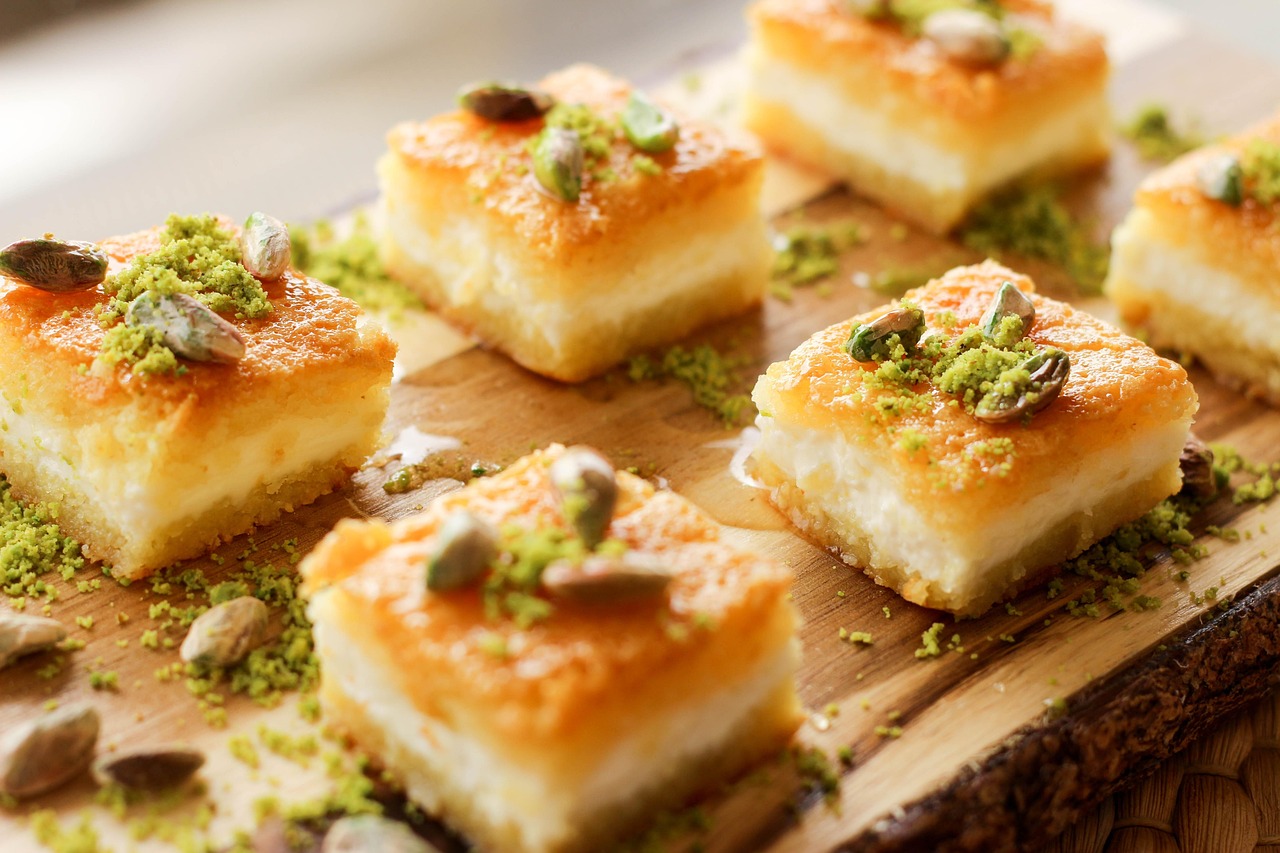

Middle Eastern Post-Workout Nutrition and Recovery Practices
In Middle Eastern cultures, post-workout nutrition plays a vital role in promoting recovery and enhancing athletic performance. Traditional practices emphasize balancing nutrients to support muscle repair and overall health. This includes consuming a variety of foods rich in carbohydrates, proteins, and healthy fats. Typical post-workout meals might include whole grains, meats, and legumes. Additionally, hydration is crucial in this region, where the climate often leads to significant fluid loss. Therefore, water, herbal teas, and natural juices are commonly consumed after exercise. Food choices are culturally influenced, and specific meals are designed to replenish energy levels effectively. Commonly, meals are shared among family and friends, highlighting the importance of community in recovery. Alongside nutrition, cultural practices such as rest and communal gatherings are essential in promoting recovery and well-being. Understanding the intersection of culture and nutrition can help athletes optimize their post-workout routines. By integrating local traditions with modern nutritional guidelines, Middle Eastern individuals can achieve better results in their fitness journeys. This approach not only enhances physical recovery but also nurtures community connections through shared meals and experiences.
The significance of hydration in post-workout recovery cannot be overstated, particularly in Middle Eastern countries. High temperatures contribute to increased sweating, leading to significant fluid loss during workouts. It is crucial for athletes to rehydrate effectively after training sessions to maintain optimal body function and performance. Consuming fluids enriched with electrolytes, such as natural fruit juices, is common in the region. These drinks help replenish lost nutrients and support recovery. Besides hydration, local dietary preferences heavily influence food choices post-exercise. For example, traditional dishes often incorporate ingredients like dates, nuts, and yogurt, which provide essential vitamins, minerals, proteins, and healthy fats. These foods not only aid muscle recovery but also satisfy the palate. Additionally, considering the cultural importance of sharing meals, many athletes engage in communal dining after workouts, enhancing social bonds and emotional well-being. This practice emphasizes that nutrition extends beyond the physical aspect; it also fosters community connections. Such communal experiences may contribute positively to mental health and motivation in athletic pursuits. Athletes who embrace these cultural practices may experience a more holistic approach to their recovery processes and overall fitness activities.
Traditional Foods for Recovery
Middle Eastern post-workout nutrition often features traditional foods rich in complex carbohydrates and proteins, essential for recovery. Staples like couscous, rice, and bulgur wheat are commonly consumed as part of meals after exercise. These grains provide sustained energy release for muscle repair, helping athletes recover efficiently. Furthermore, a variety of meats, such as chicken, lamb, and fish, are predominant protein sources. These foods are typically grilled or roasted, retaining their nutritional value while providing flavors that enhance the overall meal experience. Unique, nutrient-dense sauces made with tahini or yogurt often accompany these dishes, adding healthy fats and probiotics beneficial for gut health. Additionally, legumes like lentils and chickpeas offer vegetarian sources of protein and carbohydrates, making them an excellent choice for vegan athletes. Frequent inclusion of fresh vegetables in meals contributes vitamins, minerals, and antioxidants. Including a variety of foods not only meets nutritional needs but also allows for culinary diversity and enjoyment. In this way, Middle Eastern post-workout nutrition embodies balancing cultural traditions with modern nutritional requirements, promoting recovery while celebrating rich flavors.
In recent years, many athletes in the Middle East have begun to embrace global nutritional trends while still honoring their roots. Post-workout supplements such as protein powders and energy bars are becoming increasingly popular. These modern foods provide convenient options to ensure adequate nutrient intake after workouts, especially when traditional options are not feasible. However, many athletes integrate supplements with traditional foods for a more balanced approach. The emphasis remains on whole foods, which are viewed as more beneficial for recovery than processed alternatives. This blending of cultures can lead to innovative meal ideas, enhancing both nutritional quality and taste. Community awareness of post-workout nutrition is also rising, with more athletes participating in workshops and seminars focusing on effective recovery strategies. The accessibility of information through social media and fitness influencers fosters a culture of knowledge regarding nutrition among young athletes. As more individuals seek to balance tradition with modern advancements, a positive shift in post-workout practices occurs. The merging of old and new approaches contributes to overall wellness, revitalizing local dietary practices for the betterment of athletic performance while staying culturally relevant.
The Role of Family and Community
Family and community play a significant role in post-workout nutrition practices in the Middle East. After intense workouts, it is customary for athletes to gather with family and friends, sharing meals rich in nutritional value. These gatherings emphasize the importance of togetherness and solidarity in supporting individual health goals. Family members often participate in the preparation of meals, passing down traditional recipes that promote effective recovery and nourishment. Additionally, social support is critical in maintaining motivation; communal dining facilitates discussions around fitness goals and experiences, enriching the social aspect of recovery. This collaborative approach instills a sense of belonging, encouraging each individual to achieve their fitness aspirations. Events and celebrations also center around food, reinforcing the idea that nourishing oneself post-exercise is a communal effort. As many Middle Eastern cultures value collective achievements, this approach fosters an environment where individuals feel accountable to their peers. The strong bond of family and community, integrated with nutritional practices, creates a supportive framework for recovery that promotes physical and emotional resilience, encouraging athletes to persist in their training and pursue health-enhancing lifestyles.
Another key aspect of Middle Eastern post-workout recovery is the incorporation of traditional herbal teas and remedies. These beverages are not only culturally significant but also provide various health benefits that support recovery. Teas such as mint, chamomile, and sage are commonly consumed after workouts for their soothing properties. These herbal remedies are believed to aid digestion and promote relaxation, allowing athletes to unwind and recover mentally as well as physically. Many individuals also opt for natural drinks infused with herbs, adding flavor and enhancing the nutritional profile. Alongside these beverages, seeds, nuts, and fruits serve as convenient snacks rich in healthy fats and carbohydrates. The inclusion of these nutrient-dense foods contributes to quick energy replenishment while satisfying hunger pangs post-exercise. In some regions, preparing herbal infusions and snacks is considered an art, with unique, time-honored methods passed through generations. This practice not only supports recovery but also nurtures a connection to cultural heritage and identity. Thus, traditional beverages and snacks serve a dual purpose: they enhance physical recovery while also deepening cultural roots and connections within communities.
Future Trends in Recovery Practices
As fitness and nutritional awareness continues to grow in Middle Eastern regions, future trends in post-workout nutrition are likely to evolve. Young athletes are keen to explore innovative food sources and experimental recipes that combine traditional ingredients with modern nutritional science. Interest in plant-based diets is also increasing, prompting local chefs and nutritionists to create unique meal plans that cater to this growing demand. Global influences may inspire new flavors and cooking techniques, further enriching local cuisine’s diversity. Additionally, the rise of nutritional apps and online resources allows athletes to access information tailored to their specific needs, making it easier to find meals that support recovery. The focus on holistic health encompasses physical, mental, and spiritual well-being, influencing nutritional choices that reflect this multidimensional perspective. Moreover, collaborations between local sports organizations and nutrition experts can lead to workshops and programs aimed at educating athletes on effective recovery strategies. As these trends continue to emerge, the importance of traditional practices may remain strong while simultaneously adapting to meet contemporary athletes’ needs, ensuring a balanced approach to nourishment that honors both heritage and innovation.
Understanding the evolution of post-workout nutrition in Middle Eastern cultures highlights the significance of adaptability and cultural richness. Athletes who blend traditional practices with modern advancements can sustain effective recovery while fostering connections to their communities. By nurturing both physical health and emotional bonds through shared meals and gatherings, individuals create a support network that can motivate them to pursue their fitness goals. This comprehensive approach to recovery is not only beneficial for athletic performance but also embraces the essence of teamwork and cultural heritage. As Middle Eastern societies continue to flourish and adapt to globalization, post-workout nutrition will evolve to accommodate diverse influences while remaining rooted in tradition. Ultimately, this blend of cultures ensures that every meal reflects a journey toward wellness, forging a path where athletic goals and community bonding coexist seamlessly. The harmony achieved through this fusion of nutrition and cultural identity illustrates the importance of maintaining healthful practices that resonate personally and collectively. The future of nutrition in the Middle East lies in respecting traditional practices while accommodating the needs of contemporary athletes, ultimately leading to richer, more meaningful recovery experiences.