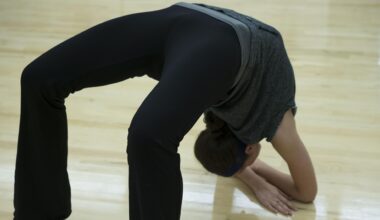

How to Train Your Core Muscles for Better Posture
Improving posture begins with strengthening the core muscles, which play a crucial role in supporting the spine, pelvis, and overall body alignment. Core muscles include not only the abdominal muscles but also those in the back and around the pelvis. Engaging in core-strengthening exercises can dramatically enhance stability, balance, and posture over time. To train these muscles effectively, it is essential to incorporate various exercises focusing on engagement and stability. For those who sit for extended periods, working on core muscles can help alleviate discomfort and reduce fatigue. Specific techniques like bridges, planks, and bird-dogs are excellent options for enhancing core strength. Adding resistance bands or stability balls into your routine can provide further challenge, leading to improved muscle engagement. Start slowly, focusing on correct form to prevent injury and maximize effectiveness. Gradually increase the duration and intensity to see continuous improvement. Remember to include both dynamic and static exercises. Notably, regular practice can lead to better posture, reducing strain on your back and neck in daily activities.
The key benefits associated with strengthening your core include reduced back pain, enhanced athletic performance, and improved posture. Research indicates that consistent core training not only supports the foundation for better posture but also aids in injury prevention. When the core is strong, it helps maintain a stable spine while distributing loads evenly throughout the body. This distribution is significant when engaging in activities such as lifting, bending, or even sitting at a desk. Incorporating exercises like planks and stability ball workouts is a fantastic way to challenge your core muscles. It is vital to focus on slow, controlled movements rather than rushing through repetitions to ensure proper engagement. Consider pairing your core exercises with stretches for the back and shoulders to promote flexibility for optimal posture alignment. Additionally, integrating core workouts into your routine does not have to be time-consuming; even 15 to 20 minutes a few times a week can result in visible benefits. This commitment can yield positive changes in your overall body mechanics, leading to improved posture.
Essential Core Exercises for Posture
To train your core effectively, incorporating a variety of exercises is beneficial. Here is a list of essential core exercises you can begin with:
- Plank: Hold your body in a straight line from head to toe while resting on your forearms and toes.
- Bridge: Lie on your back, lift your hips while keeping your shoulders on the floor.
- Dead Bug: Lie on your back, extend arms and legs, and alternate lowering them.
- Bird-Dog: Start on hands and knees, extend opposite arm and leg simultaneously to enhance stability.
Integrating these exercises not only builds strength but enhances coordination and balance. Focus on engaging your abdominal muscles during these movements, which can help prevent lower back strain. As you grow stronger, challenge yourself by increasing the hold times or adding weights. Plus, maintaining good posture while performing these exercises is crucial for reaping the most benefits. Align your body correctly to experience optimal core engagement during workouts.
In addition to exercises, staying mindful of your posture throughout the day is equally vital. A simple yet effective technique involves regularly checking in with your body position. Whether sitting at a desk or standing, ensuring your shoulders are relaxed and your back is straight can prevent slouching. Utilize ergonomic chairs and desks to support better posture while working. When sitting, keep your feet flat on the floor, your knees at a right angle, and your back supported to encourage a natural spine alignment. Taking breaks to stand or walk helps maintain mobility, reducing the risk of stiffness. Consider setting reminders to practice core exercises or stretch during the day. These habits not only help maintain good posture but also promote overall well-being. It is essential to remain proactive about posture, as incorporating these practices consistently can yield long-term results. Remember, small changes can lead to significant improvements in posture over time, so stay patient and committed as you work on your posture transformation.
Tracking Progress and Staying Motivated
As you incorporate core strength exercises into your routine, tracking your progress is crucial to staying motivated. Keeping a journal can help you document the exercises you perform, the duration, and any improvements you notice. Consider using a fitness app to log your workouts and track any changes in your posture or muscle strength over time. This practice fosters accountability and helps visualize your progress toward your goals. Regular assessments of your strength and flexibility can also be beneficial in identifying areas for improvement. Set personal milestones, whether it’s holding a plank for a longer duration or mastering a specific core exercise. Celebrating milestones, no matter how small they may seem, will enhance motivation. Engaging friends or family members in your routine can create a supportive workout environment while making the process enjoyable. Group workouts often foster competitiveness, pushing you to exceed expectations and deepen your commitment. Remember that maintaining core strength is a lifelong commitment, and remaining consistent in your journey is key to lasting posture improvement.
Engaging in relaxation and recovery strategies is equally essential in the journey to improve posture through core training. Stress and tension can lead to tightness in muscles, negatively impacting posture. Practices such as yoga and Pilates focus on flexibility, breathwork, and core engagement while promoting relaxation. Incorporating these practices into your weekly routine will enhance body awareness and foster a mindful approach to posture improvement. Additionally, techniques like foam rolling can relieve muscle tension and improve blood circulation, supporting recovery after core workouts. Proper hydration and nutrition can also play a vital role in muscle recovery and performance. Consuming a diet rich in nutrients helps support muscle repair and overall physical health, contributing to a stronger core. Prioritizing rest days allows muscles to recover and grow stronger, reducing the risk of injury during workouts. Ensure you listen to your body and take breaks when needed, especially if you’re feeling fatigued or tight. This holistic approach will aid in achieving better posture while promoting overall wellness.
Long-Term Posture Health
In conclusion, establishing a consistent core training regimen is essential in achieving long-term posture health. As you diligently work on strengthening your core, it is crucial to remain patient and allow your body time to adapt to new exercises. Developing a balanced approach that incorporates various core exercises, stretches, and mindfulness techniques will yield sustainable improvements. While the journey may present challenges, cultivating awareness of your body mechanics and integrating good posture habits into your daily routine will significantly contribute to success. Remember, effective posture correction does not happen overnight; it requires dedication and practice. By incorporating nutrition, rest, and recovery into your overall plan, you’re laying the groundwork for a healthier body. Focus on enjoying the process rather than solely the results, as this perspective can enhance motivation and create lasting change. Over time, you will find that improved posture positively affects not only physical health but boosts confidence and psychological well-being. Stay committed, continue learning, and celebrate your small wins along the way as you work toward achieving a stronger core and better posture.
Improve Your Posture Today!