
Creating Safe and Supportive Fitness Communities for All
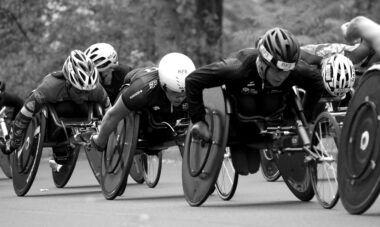
In today’s fitness industry, inclusivity is greatly valued, helping to create supportive communities where everyone feels welcome. Inclusive fitness programs are designed to accommodate diverse abilities, ensuring that all individuals, regardless of their physical challenges, can participate. By providing adaptive equipment and offering tailored fitness classes, fitness centers are actively breaking down barriers that have traditionally excluded many people. Accessibility features such as ramps, wider entryways, and appropriate restrooms are essential in creating a suitable fitness environment. Additionally, it is important to train staff to foster awareness and sensitivity towards the needs of all members. This includes learning how to assist individuals with disabilities while promoting body positivity and inclusiveness. Creating a welcoming atmosphere helps build a sense of belonging and camaraderie among participants. Engaging the community in discussions about accessibility can lead to improved programs and more supportive environments. Overall, fostering inclusivity empowers individuals and encourages personal growth within fitness communities. The ripple effect of such initiatives can enhance overall community health, inspiring others to join inclusive fitness programs and break through any barriers that may exist.
Continuing the focus on inclusivity, it is essential to recognize the significance of diverse programming within fitness facilities. These programs must cater to various skill levels, age demographics, and cultural backgrounds, expanding their reach to those who historically may have felt alienated. Consider incorporating different types of exercise classes, such as yoga, dance, or martial arts, which allow individuals to find their passion. Additionally, engaging local athletes or community leaders to lead these classes can foster more connections among participants. It is vital for fitness centers to promote programs that cater not just to physical fitness, but also to overall mental well-being. Mindfulness practices can be interwoven into fitness routines, enhancing the emotional experience for participants. Social events and group challenges can facilitate camaraderie while encouraging individuals to step outside their comfort zones. It’s also paramount to develop marketing strategies that reflect the diversity and inclusivity of the community. Utilization of diverse representations in promotional materials plays a key role in attracting a broader audience. Thus, the commitment to creating diverse programming becomes more than a trend; it is a sincere effort to build healthier, stronger communities through fitness.
Community Engagement and Awareness
To create truly inclusive fitness experiences, engaging the local community is vital. Fitness centers must establish relationships with local organizations that support underrepresented communities. Collaborating with schools, charities, and healthcare facilities can help reach potential participants who might benefit from inclusive fitness programs. Creating awareness through outreach efforts, workshops, and informational sessions can demystify fitness programs for those unfamiliar with them. Utilizing social media platforms can serve as effective tools for communicating inclusivity initiatives and sharing success stories. Highlighting individuals from various backgrounds sharing their fitness journey can inspire others to participate. Hosting open houses or free trial classes can significantly reduce entry barriers for new members, making it easier to experience the facility firsthand. Moreover, it’s essential to incorporate participant feedback into program planning and execution. Listening to community members about their needs can enhance offerings significantly and help create tailored experiences that resonate. Ultimately, when the community feels involved, a positive cycle of participation and engagement leads to a stronger, more cohesive environment where inclusive fitness programs can thrive.
Another critical aspect of promoting inclusivity within fitness programs is through ongoing education for staff. It is crucial that all fitness professionals understand the importance of inclusivity and how to implement effective practices. Regular training sessions focusing on disability awareness, cultural competence, and effective communication strategies can help staff better support participants from all backgrounds. A knowledgeable and empathetic staff encourages participants to feel safe and validated, enhancing their overall experience. Developing peer mentorship programs, where experienced members support those new to fitness or facing barriers, can effectively promote inclusivity. These peer mentors can offer guidance, encouragement, and companionship, helping newcomers navigate their fitness journey. Further, providing certification programs in adaptive fitness for trainers can enhance their knowledge and skills. This can increase the number of professionals equipped to handle various needs effectively. By emphasizing education and skill-building, fitness centers show their commitment to cultivating a supportive environment. The ripple effect will encourage members to engage actively, helping them find comfort in exercising within the community.
Building Positive Relationships
Forging strong relationships within fitness programs is fundamental to the success of creating inclusive communities. Encouraging participants to develop friendships based on shared interests promotes ongoing commitment to fitness goals. Organizing regular social gatherings, fitness challenges, or group outings fosters bonds among members. Encouragement and support from peers not only enhance motivation but also instill a sense of accountability among participants. This relationship-building extends beyond the gym, allowing participants to stay connected even outside formal training sessions. Establishing team initiatives or creating social media groups where members can connect contributes to sustained engagement. Storytelling and sharing individual fitness journeys can create inspiration and relatability, promoting inclusiveness even further. Furthermore, recognition of achievements—no matter how small—can enhance positive feelings within the community. Celebrating milestones, either through social media shoutouts or awards programs, instills pride in the members, encouraging them to continue striving for their fitness goals. This culture of support paves the way for empathy, ultimately making fitness programs not just about physical health, but about nurturing positive, lasting relationships in supportive communities.
Inclusive fitness programs also play a vital role in ensuring that mental health is prioritized alongside physical wellness. The connection between exercise and mental health is well-documented, emphasizing the need for programs that cater to this aspect. Creating a space where participants can share their experiences and struggles allows for meaningful dialogue and support. Integrating mental health professionals into fitness facilities can provide resources for individuals dealing with various challenges, ranging from anxiety to past trauma. Offering workshops on mindfulness and stress reduction, along with traditional fitness classes, promotes emotional well-being among members. Additionally, having wellness coordinators available to guide participants toward mental health resources can establish a comprehensive support network. Encouraging discussions about mental health can help demystify common stigmas associated with it. The relationship between physical activity and mental wellness should be highlighted in promotional materials to foster understanding. By normalizing mental health conversations within fitness spaces, individuals are encouraged to prioritize their overall well-being. This elevated focus on mental health helps build a holistic approach within inclusive fitness communities, promoting stronger and more resilient participants.
Technology and Inclusivity
As technology continues to advance, its potential for enhancing inclusivity in fitness programs is immense. Fitness centers can leverage technology to create tailored experiences for all members. From mobile fitness apps offering customized workout plans to apps that cater to specific needs, technology can foster engagement and accessibility. Additionally, virtual classes can provide remote access for individuals who may be hesitant to attend in-person sessions due to various barriers. Live streaming classes paired with interactive elements can create a sense of belonging, bridging gaps between participants. Furthermore, wearable technology tracking metrics and progress can motivate and support participants in their journeys toward fitness. Gamification can also encourage participation, enhancing the fun factor through challenges and rewards. Integrating technology will not only transform traditional fitness programs but creates opportunities for connecting community members as well. Providing training for members to utilize these technologies effectively can empower them in their fitness journeys. Ultimately, technology reinforces the message that fitness can indeed be inclusive, convenient, and tailored to each individual’s unique circumstances and preferences.
Conclusion
In conclusion, the push toward inclusive fitness programs allows for enhancement within the fitness industry, advocating for a more equitable and supportive environment. The realization that fitness is for everyone creates a positive ripple effect within communities, ultimately reducing stigma surrounding fitness participation. As fitness centers evolve, the incorporation of diverse programming, community engagement, and ongoing staff education must remain priorities. Recognizing the vital role of technology brings a new dimension to fostering inclusivity, as members can now find resources tailored to their specific needs. The journey toward inclusivity is ongoing, necessitating constant reflection and adaptation. Open dialogues about the importance of mental health also lead to improved outcomes within these fitness settings. Engaging participants and showcasing success stories can motivate others to join in. Therefore, as the fitness industry shifts its focus toward inclusivity, the goal remains clear: creating a safe, supportive, and empowering environment for all individuals. With a commitment to ongoing improvement and community collaboration, the vision of a fitness world that welcomes everyone can become a reality, leading to a healthier, more inclusive society.