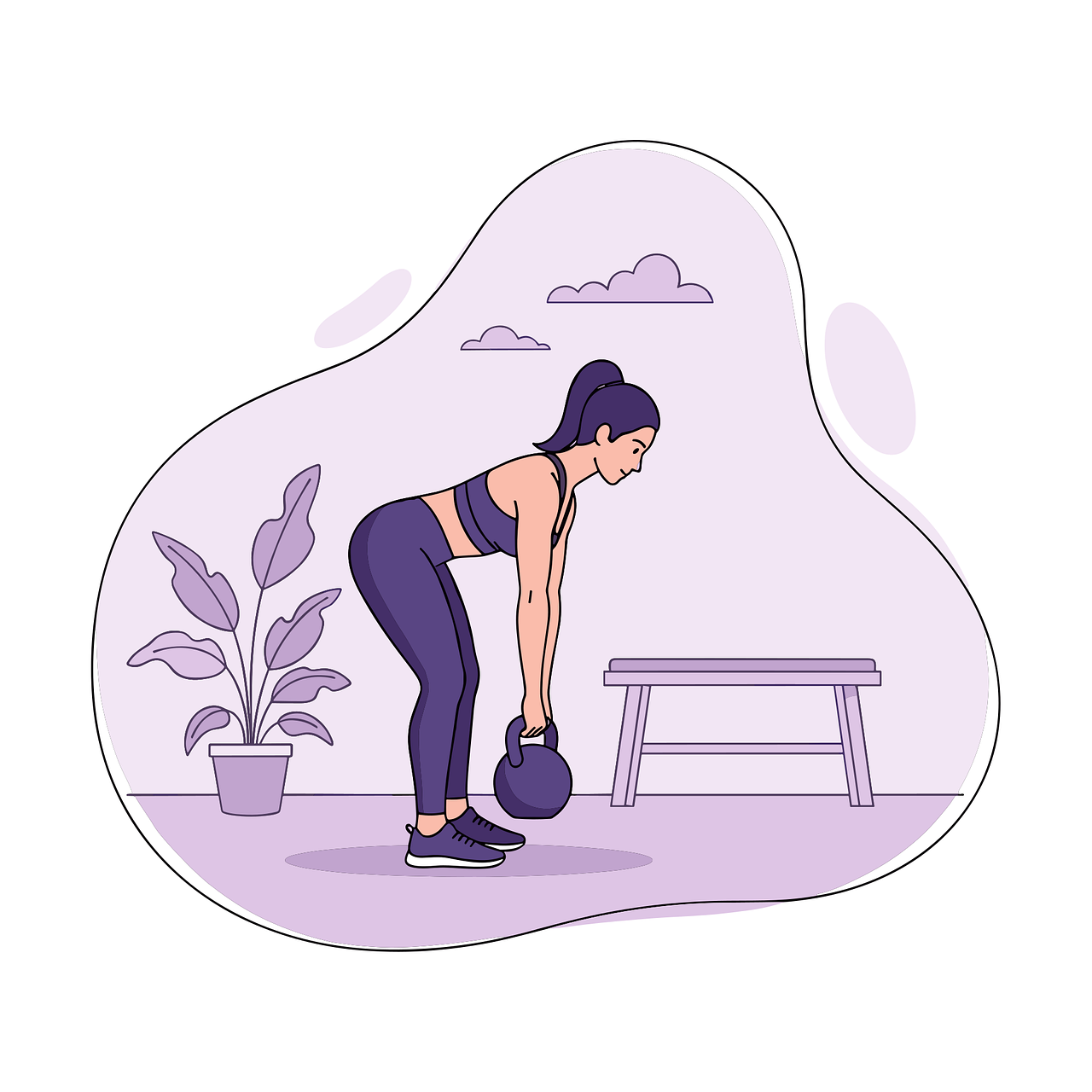

Flexibility and Mobility Assessment for Office Workers
In today’s fast-paced work environment, the health and well-being of desk workers have become crucial for enhancing productivity. Assessing flexibility and mobility in office workers is essential, as prolonged sitting can lead to various musculoskeletal issues. Regular evaluations can help identify tight areas, promoting stretching and movement. Incorporating mobility assessments into the routine can prevent stiffness, ensuring that employees maintain their functional capabilities. Utilizing simple tools, such as range-of-motion tests, can provide insights into individual needs. Desk ergonomics should also be considered, adjusting workspace elements to facilitate natural movement. Encouraging short breaks during long hours can significantly benefit employees both physically and mentally. Such practices foster a culture of self-care among office staff, reducing fatigue and enhancing overall job satisfaction. Managers should actively support initiatives promoting flexibility, utilizing resources to educate their teams about the importance of mobility. Office workers can benefit from targeted exercises tailored to their specific needs, improving posture and flexibility. Establishing a regular assessment process is vital for long-term health benefits and workplace efficiency, making it a key component of organizational well-being strategies.
Flexibility training, when integrated into workplaces, can play a pivotal role in enhancing employee well-being. Office workers often experience tightness in certain muscle groups due to sedentary lifestyles. Engaging in a routine that promotes dynamic stretches helps to alleviate discomfort, resulting in improved physical performance. Organizations can boost employee morale and productivity by implementing stretching sessions during work hours. This approach not only increases flexibility but also fosters camaraderie among staff. Incorporating flexibility regimes into daily routines should include simple exercises targeting the hamstrings, hip flexors, and back muscles. Furthermore, utilizing visual aids can help workers correctly execute techniques, reducing the risk of injury. Maintaining a culture that values physical health encourages employees to take responsibility for their wellness. Feedback loops allow organizations to assess the effectiveness of these programs, adjusting them as necessary. Proactive approaches reduce healthcare costs in the long run, making them a wise investment. Evaluating flexibility consistently prevents the onset of more significant health challenges. Organizations must stay committed to supporting their workforce’s physical needs, ultimately leading to a sustainable approach to health in office environments.
The Importance of Mobility in Preventing Injuries
Mobility plays a critical role in preventing injuries among office workers, particularly those engaged in long hours of desk work. Lack of mobility can restrict movement and lead to discomfort, impacting overall job performance. Prioritizing mobility as part of workplace wellness strategies can significantly reduce injury risks, empowering employees to feel their best. Creating a plan that incorporates stretching, walking, and mobility-focused exercises helps maintain joint health. Simple strategies, like standing and walking meetings, encourage movement while promoting active engagement among team members. Additionally, short breaks every hour for light movement can lead to improved concentration and decreased fatigue. Organizations should educate workers about the benefits of mobility, fostering a culture where staying active becomes a priority. Providing resources, such as video tutorials or workshops, can equip employees to effectively engage in mobility practices. A supportive work environment must emerge, encouraging flexibility exercises to prevent stiffness and enhance posture. Continuously assessing mobility levels ensures regular monitoring, allowing timely interventions when necessary, which translates to fewer workplace injuries and increased employee retention.
Incorporating mobility assessments into the workplace can be a game-changer for desk workers. Regular evaluation assists in pinpointing movement limitations and understanding how they may affect performance. Functions such as reaching overhead or squatting down can be challenging for some individuals. Consequently, creating tailored movement plans addresses these issues before they escalate into serious concerns. Business leaders need to acknowledge the impact of inactivity when crafting workplace policies. Implementing regular schedules for movement assessments encourages accountability among employees, ensuring they prioritize mobility. Workshops that focus on techniques for increasing flexibility can further enhance these initiatives. Employees should also be encouraged to set personal mobility goals as part of their routine. Adding reminders for movement breaks can assist in fostering a culture centered on physical wellness. Furthermore, tracking progress over time can show employees the benefits of committing to flexibility practices. When organizations take mobility seriously, they effectively promote a healthier workforce, resulting in improved productivity and morale. In essence, maintaining mobility serves as a foundation for ensuring overall employee health, translating to substantial benefits for both individuals and companies.
Creating a Culture of Wellness
Promoting a culture of wellness in the workplace is essential for the successful implementation of flexibility and mobility initiatives. Encouraging employees to participate in movement-focused events and activities creates awareness surrounding the importance of physical health. Companies should consider hosting community classes, workshops, or even challenges that encourage collective participation and fun. This interactive approach not only gets employees moving but also strengthens teamwork and relationships among colleagues. Providing incentives such as fitness trackers or rewards for completing wellness tasks can motivate staff to remain engaged. Leadership plays a significant role in modeling healthy behaviors, showcasing their commitment to a healthy workplace culture. Encouraging managers to join exercises or workshops alongside their teams demonstrates support for physical health initiatives. Moreover, sharing success stories of employees who have adopted mobility practices can inspire others within the organization. Acknowledging effort and dedication fosters a positive environment conducive to wellness. As a result, a culture that balances work and self-care promotes satisfaction, productivity, and loyalty, leading to higher retention rates in competitive markets.
Utilizing technology in flexibility and mobility assessments can streamline the process and make it engaging for employees. Mobile applications that guide stretching routines or provide reminders to stand and walk periodically can enhance adherence. Many apps provide tracking features to monitor individual progress over time, which can be a motivating factor. Integrating such tools into the workplace encourages staff to take responsibility for their well-being while making mobility practices more accessible. Virtual seminars detailing ergonomic practices and physical health further reinforce the importance of flexibility. Employers should highlight the significance of technology in supporting workers in their mobility goals. Alongside tech resources, nurturing an open channel of communication for employees to address mobility challenges can foster a supportive work environment. Regular check-ins with team members to discuss their experiences can be helpful, providing necessary encouragement. Furthermore, facilitating peer support can enhance accountability, motivating employees to engage in mobility practices consistently. In conclusion, merging technology with wellness initiatives elevates the overall approach, enriching the work environment and empowering staff.
Conclusion and Future Directions
As companies continue to prioritize flexibility and mobility assessments, they set the foundation for a healthier workplace culture. Evaluating and improving the movement capabilities of employees can lead to remarkable health benefits, including decreased injury rates and heightened productivity. Future initiatives should focus on refining assessment tools, providing more personalized approaches to individual needs. Organizations may consider collaborating with health professionals to develop tailored movement plans, benefiting both employers and their staff. Additionally, ongoing research into the impact of workplace mobility practices will yield valuable insights. Companies should consistently revisit and adapt their strategies based on employee feedback and current trends in workplace health. Incorporating flexibility practices into long-term goals keeps these initiatives relevant and proactive. Ultimately, fostering a commitment to mobility ensures a culture of wellness thrives, translating to positive employee experiences. As such, organizations must dedicate resources to support their workforce’s physical needs, instilling the notion that flexibility isn’t merely an option but a necessity for success. By taking concrete steps towards enhancing flexibility and mobility, businesses can positively impact both individuals and organizational dynamics.
The journey towards better flexibility and mobility for desk workers is ongoing and collaborative. Promoting a shared vision among employees, leadership, and health professionals can significantly enhance workplace morale and employee satisfaction. As organizations continue to invest in these crucial elements, the potential for creating a thriving, healthy workforce becomes an attainable reality. Prioritizing flexibility and mobility initiatives marks a significant step towards building environments where employees are empowered and engaged. This cultivation of movement through assessments, workshops, and individual plans highlights the importance of health at work and nurtures engaged workplaces, benefiting everyone involved.