
Injury Prevention for Runners: Seasonal Shoe Selection Guide
Runners are often susceptible to injuries, particularly if they do not select the appropriate footwear for seasonal conditions. Understanding the differing demands of each season provides a better perspective on shoe choice. In winter, icy and wet conditions require shoes with optimal grip and water resistance. So, a solid option is to invest in winter running shoes. These often come with specialized traction to prevent slips and falls. In spring and summer, lighter shoes with breathable materials can be ideal. They allow for better ventilation and less moisture retention, reducing the risk of blisters. A simple checklist may help: Consider elements like terrain, weather conditions, and your personal running style. Mixing footwear types can prevent overuse injuries by distributing physical stress more evenly across your body. Regularly checking shoe wear and tear is also vital. A good habit is to replace shoes every 300 to 500 miles. Additionally, don’t forget to break in new shoes before tackling longer distances to avoid unnecessary strain. Being attentive to these factors greatly enhances your running experience and minimizes injury risks.
Understanding the Importance of Fit
The fit of running shoes plays a crucial role in preventing injuries. Shoes that are too tight can cause issues such as blisters and toenail injuries, while excessively loose ones may lead to instability and insufficient support. Always measure your feet, preferably at the end of the day when they are slightly swollen. This ensures you get a precise fit. When trying on shoes, ensure there is a thumb’s width of space between your longest toe and the shoe’s end. Pay attention to the arch type of your foot; choosing shoes that match your arch contour supports proper alignment. Runners with flat feet often benefit from stability or motion-control shoes. Those with high arches may find cushioned shoes supportive. Additionally, consider the width of your foot as different brands offer varying widths. It’s also essential to try shoes with the socks you’ll typically wear while running. Do a light jog within the store to assess feel and comfort. Each pair should feel snug but not restrictive, allowing for natural foot movement. Your shoes shouldn’t cause tenderness or pain during a run.
As seasons change, so should the terrain of your running routes. In rainy conditions or snowy environments, a selection of shoes with enhanced traction features becomes crucial. Trail running shoes often offer durable outsoles that grip muddy and uneven surfaces effectively. Meanwhile, for summer running, lightweight shoes with flexible materials help ensure your feet breathe, reducing sweat buildup and friction. The materials also influence the shoes’ weight; lighter shoes can enhance your running speed. Seasonal running on different surfaces also means adjusting your footwear. If you typically run on hard pavements, consider shoes with more cushioning to absorb impact. However, when transitioning back to softer trails in spring or summer, opt for minimalist shoes to allow more foot movement. Remember, adapting your shoes not only safeguards against injuries but also enhances overall performance and enjoyment in running. Moreover, shoes should reflect your evolving skills; as you become a seasoned runner, your preferences may shift. Consulting knowledgeable staff in specialized shops can offer guidance tailored to your unique needs and running evolution, ensuring your footwear supports your athletic journey effectively.
Assessing Wear and Tear
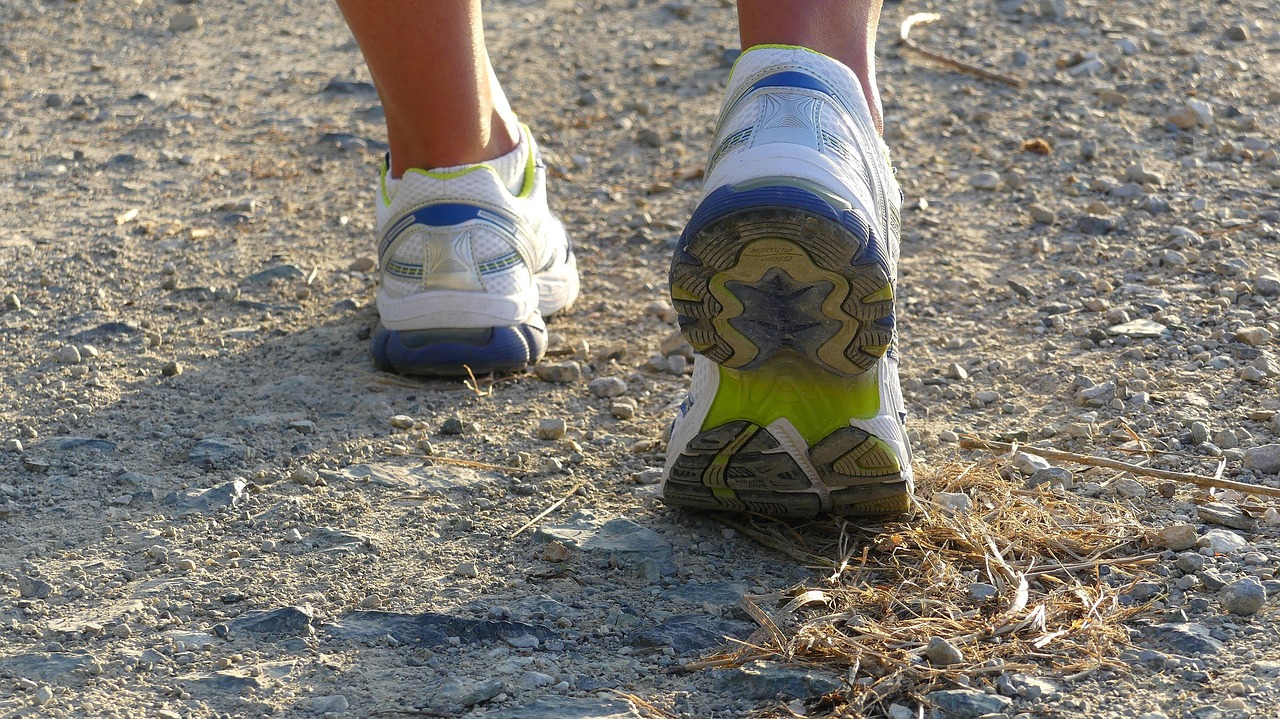
Regularly assessing the wear of your running shoes is pivotal in preventing injuries. Shoes degrade over time, and their cushioning and traction diminish eventually, necessitating replacement. After around 300 to 500 miles of running, most runners should start scrutinizing their shoes for signs of wear. Common indicators include uneven tread, noticeable creasing, or a lack of responsiveness when running. If you feel greater fatigue or discomfort in your feet, it might also suggest that your shoes need replacing. Furthermore, keeping a log of miles per pair can help track when it’s time to switch. Keep in mind that even if the sole appears intact, the cushioning inside may have significantly deteriorated. The shoe’s upper material impacts breathability and moisture control as well; worn shoes can also lack structural support, increasing the chance of injuries. Noticing whether your feet feel excessively sore after runs can also indicate diminished shoe performance. Consider rotating two pairs of shoes to extend the life of each pair while providing versatility. This routine not only maintains foot health but can also potentially enhance performance.
Post-injury, reevaluating running shoes becomes essential. New injuries may necessitate support or cushioning modifications. If you’ve sustained specific injuries, consult a healthcare professional or a physical therapist. They can guide you toward shoes that offer additional required support. For instance, runners recovering from plantar fasciitis may require shoes with excellent arch support and cushioning. Alternatively, those healing from ankle injuries might benefit from higher cuffs that offer additional stability. In addition to selecting new shoes, incorporating good preventative measures into your training regimen is important. Strengthening exercises and maintaining flexibility can drastically improve running form and efficiency, indirectly reducing injury risks. Moreover, taking walks during the initial stages of recovery may help minimize stress on injured areas. Resuming gradually with shorter distances allows your body to adapt safely without overexertion. Investing in orthotics for better arch support or using insoles specifically is also worth considering. This way, feet receive tailored care while adapting back to running. Being diligent about shoe selection post-injury is crucial to a safe return and long-term running enjoyment, allowing you to maintain your fitness regimen completely.
Elevation and Seasonal Changes
Elevation impacts running, especially considering seasonal changes. Hills and elevated tracks put additional strain on your body. Therefore, effective shoe selection must accommodate these variations. When running in hilly terrains, shoes that offer superior stability and cushioning can prevent undue stress on joints. Additionally, choosing shoes with a lower heel-to-toe drop can aid in maintaining a natural foot position, particularly on inclines. During warm seasons, breathable and lightweight materials reduce overheating risk and enhance energy levels. A shoe’s outsole must provide grippy traction for safety on steeper trails. Conversely, transitioning to colder or wetter conditions means emphasizing sturdiness and waterproofing details. In winter, icy conditions necessitate shoes with specialized spikes for added grip on slippery surfaces. It’s also crucial to assess training surfaces; soft ground demands more cushioning, while harder and firmer surfaces require shock absorption. Monitoring weather conditions and ensuring proper footwear choice minimizes injury hazards. Being proactive during your run while adjusting shoes accordingly guarantees an enjoyable experience. Comprehensive understanding leads to smarter decisions, allowing you to thrive regardless of weather or terrain conditions.
Investment in quality running shoes cannot be overstated; they significantly contribute to health and performance. While price alone does not guarantee effectiveness, opting for recognized brands often yields better results due to their established expertise in mechanics. Quality running shoes come with advanced technology, superior materials, and rigorous testing that ensure they perform well under various conditions. Reading reviews and seeking expert recommendations can assist in narrowing choices. Also, remember that trends change every season, influencing brand offerings. Keeping updated with the latest innovations can present options better suited for your needs. Finding sales or clearance events can provide access to high-quality gear without breaking the bank. Ultimately, investing upfront can save money and time in the long run by reducing injury risks. Selecting a pair you genuinely enjoy wearing can also keep motivation high. Engaging in regular running routines becomes more enjoyable with the right footwear, fostering consistency and commitment. Thinking long-term about shoes encourages appreciation for the journey of running. Cultivating this approach can help maintain enthusiasm and health throughout your fitness endeavors.
Final Thoughts
In conclusion, selecting the right running shoes remains vital for injury prevention, particularly as seasons change. Every season introduces unique challenges that require appropriate footwear adaptations. Gradually adjusting shoe choices through assessments and awareness can lead to more enjoyable and productive running experiences. Always prioritize your foot health in decision-making; monitoring wear, fit, and specific requirements reduces injury risks. Engaging with knowledgeable staff or consulting expert resources allows a more informed shoe selection process. Additionally, creating a consistent maintenance routine aids overall accountability. By dedicating time and effort to select suitable shoes and understand their lifespan, an enjoyable running journey is achievable. Always keeping an eye on seasonal changes in terrain and weather is crucial. Development as a runner often translates to evolving preferences over time. Embrace this evolution, remain flexible in adaptations, and protect your feet by investing in quality shoes that support and enhance your running experience. Ultimately, your health is worth every consideration taken in shoe selection, ensuring each step remains pleasurable and free from unnecessary risks or injuries.