
Fat Types and Their Impact on Skin Health
When we talk about skin health, the types of fat we consume are crucial. Different fats can either promote skin health or lead to issues. The two main types of dietary fat are saturated and unsaturated fats. Saturated fats, which are primarily solid at room temperature, are found in animal products like butter. These fats can lead to inflammation, affecting the skin negatively. On the other hand, unsaturated fats found in foods like olive oil and avocados are known to provide essential nutrients to the skin. These healthy fats can maintain skin elasticity and hydration. Essential fatty acids, particularly omega-3 and omega-6, are significant for combating dryness and maintaining skin barrier function. Studies have shown that these fats can substantially improve skin appearance and reduce the signs of aging. Including a variety of these healthy fats in your diet can support overall skin health, making it essential for anyone concerned about their complexion. Likewise, the balance of omega-3 to omega-6 is crucial to ensure optimum skin health, so consider monitoring your intake for the best results.
Additionally, understanding the effects of trans fats is crucial in this discussion. Trans fats are industrially created and found in many processed foods. These fats have been shown to cause inflammation, which can exacerbate skin conditions like eczema and acne. Notably, they disrupt the essential fatty acid balance in the body. As a result, the skin may suffer from reduced moisture levels, leading to a dull and aged appearance. Unlike saturated and unsaturated fats, trans fats provide no nutritional value and should be avoided. Studies highlight the negative impact of these fats on overall skin health and recommend limiting their intake. To promote better skin condition, start by checking ingredient labels for the presence of trans fats. Instead, opt for whole, unprocessed foods that contain healthy fats. Incorporating nuts, seeds, and fatty fish into your diet can be beneficial, allowing you to enjoy the skin-enhancing effects of good fats. Healthy food choices ultimately reflect in your skin’s appearance, reinforcing the connection between diet and skin health. Being informed about the types of fats can guide one to make healthier dietary choices.
Sources of Healthy Fats
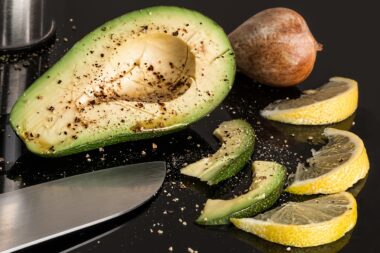
Healthy fats are easily accessible through various food sources that positively impact skin health. Incorporating avocados into your daily diet can provide monounsaturated fats that help in maintaining skin hydration. Furthermore, almonds and walnuts are excellent sources of omega-3s, essential for reducing puffiness and promoting skin cell regeneration. Fatty fish like salmon and mackerel are particularly rich in omega-3 fatty acids, which keep the skin supple and mitigate dryness. These fish offer high amounts of DHA and EPA, which fight inflammation and support cell health. Seeds, including chia and flax seeds, are also versatile options for enhancing your diet. These tiny powerhouses are packed with fiber, antioxidants, and fatty acids that nourish the skin from within. When creating meals, aim for a balanced mix of these healthy fats to ensure adequate nutrient intake. As a result, you will not only improve your skin’s appearance but also enhance overall health. Transitioning to a diet rich in healthy fats may be one of the game-changing lifestyle choices you can make for lasting skin benefits.
Alongside dietary fats, hydration plays a critical role in skin health. Consuming sufficient water and incorporating water-rich foods, like cucumbers and oranges, can boost moisture content in the skin. When the body is well-hydrated, it promotes better circulation, improving essential fat absorption. Dehydration can lead to a lackluster appearance and increasing lines on the skin, overshadowing the benefits from healthy fats. Therefore, aim for an optimal balance—where both healthy fats and hydration work together for skin vitality. Antioxidant-rich foods, such as berries and leafy greens, should also be included in your regimen. These foods protect the skin from oxidative stress caused by free radicals, further supporting skin health. Transitioning to a whole-foods diet that prioritizes hydration and essential nutrients promotes a comprehensive approach to skincare. Successful skin health is not solely about topical applications; it’s also heavily influenced by dietary choices and hydration levels. A holistic method is proving most effective in fostering a radiant complexion throughout life, offering youthful skin for years to come.
The Role of Antioxidants
Exploring the role of antioxidants is essential when discussing skin health and diet. Antioxidants can neutralize free radicals, thereby preventing cellular damage. Foods rich in antioxidants, like fruits and vegetables, work synergistically with healthy fats for optimal skin health. Green tea, rich in EGCG, provides extraordinary health benefits, including skin rejuvenation. Regular consumption can lead to significant improvements in skin texture and resilience, altering the effects of aging. Moreover, vitamins C and E, both powerful antioxidants, help protect the skin from sun damage and promote natural healing. Nuts and seeds not only provide healthy fats but are also rich in these critical vitamins. Adding colorful fruits and greens to your meals enhances the antioxidant profile while boosting healthy fat intake. Many people find that this combination expresses itself through a beautifully radiant complexion. Engaging in a balanced diet, abundant in antioxidants and healthy fats, can offer lifelong benefits for skin health. While topical products can help, nutrition remains the foundation for truly vibrant skin. Thus, adopting a nutritious diet may revolutionize personal skincare routines.
Additionally, understanding how nutrition influences skin conditions is critical. Acne, eczema, and psoriasis can often be improved through dietary adjustments, especially by focusing on inflammatory versus non-inflammatory foods. Omega-3 fatty acids and antioxidants can positively impact these conditions by reducing inflammation. Adequate consumption of these nutrients helps manage oil production and promotes overall skin clarity. Furthermore, foods rich in zinc and chromium can aid in regulating hormones, leading to less severe acne breakouts. Conversely, an excessive intake of refined carbohydrates and sugars can worsen skin events. Therefore, creating a balanced meal plan that emphasizes fresh, whole foods promotes smooth, clear skin. Additionally, the types, sources, and quality of fats consumed may affect oiliness and skin texture. By addressing these dietary aspects, it is possible to foster better skin health systematically. Consultation with a healthcare professional for personalized advice can also enhance progress. Thus, creating an effective dietary plan can be a significant step towards achieving and maintaining healthy skin over time.
Conclusion: Achieving Skin Health
In conclusion, the relationship between dietary fat and skin health is complex but significant. Understanding the types and sources of fat consumed can lead to better skin outcomes. Healthy fats are vital for maintaining a well-functioning skin barrier, while unhealthy fats can result in skin problems. A diet inclusive of essential fats helps the skin retain moisture, reducing the visibility of fine lines and improving texture. Consequently, combining hydration, a variety of nutrient-rich foods, and a balanced intake of healthy fats greatly supports skin vitality. This knowledge empowers individuals to make informed dietary choices that positively impact their appearance. Additionally, lifestyle factors such as hydration, antioxidants, and avoiding trans fats play a critical role. Ultimately, fostering a holistic approach that combines diet, hydration, and sufficient antioxidant intake is the key to achieving lasting skin health. Your skin reflects what you nourish it with; commit to a healthy diet for lifelong benefits. Regularly incorporating these elements cultivates not just external beauty but also internal well-being, leading to overall health enhancements.