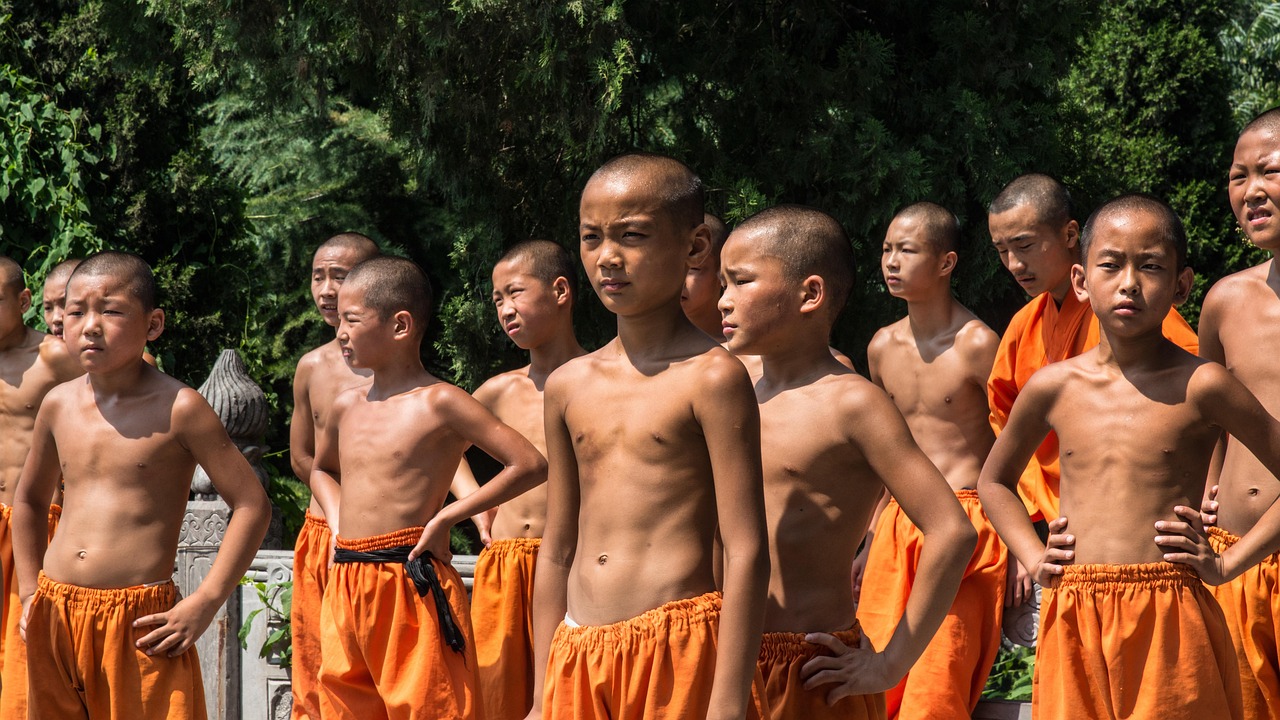

Traveling to China for Kung Fu Training: What You Need to Know
Traveling to China for Kung Fu training can be a transformative experience that requires significant preparation. Understanding the nuances of travel logistics, cultural immersion, and selecting the right school is essential for a rewarding adventure. Begin by researching various Kung Fu schools throughout China, especially in regions famous for martial arts like Shaolin Temple in Henan or Wing Chun schools in Guangdong. Consider the type of Kung Fu you wish to learn; styles vary greatly in focus and technique. It’s also important to evaluate the training facilities, instructors’ qualifications, and student reviews. Selecting a school that aligns with your training goals and philosophy ensures an enriching experience. Also, be mindful of visa requirements, which vary based on your training duration. You may need a student or tourist visa based on the length of your commitment. Medical insurance is another crucial element, as training can lead to injuries. Ensure your insurance covers martial arts injuries. Additionally, familiarize yourself with local customs to ease interaction with locals and instructors. These elements collectively create a framework for an enjoyable and educational Kung Fu journey in China.
Once the logistical aspects of your journey are sorted, it’s essential to prepare mentally and physically for your Kung Fu training in China. Start by assessing your current fitness level and engaging in a training regimen that includes flexibility, strength, and endurance workouts. Understanding the fundamental principles of Kung Fu can enhance your training. In addition to the physical preparation, consider familiarizing yourself with some basic Mandarin phrases. This will aid in communication with instructors and locals, enriching your cultural experience. Adaptability is also vital; martial arts training often involves disciplines beyond physical combat, such as meditation and philosophy. Mentally preparing for the intensity of training, which can vary from school to school, is crucial, as some may have rigorous schedules starting early in the morning. Understanding the cultural context of Kung Fu, including its historical significance and martial philosophy, can deepen your training experience. Be open to learning new perspectives, practices, and routines that may differ from your typical training. This open-mindedness will allow you to grow not just as a martial artist but as an individual throughout your journey.
What to Expect During Training
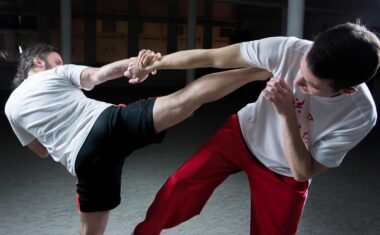
The training experience in a Kung Fu school can vary significantly, ranging from highly structured programs to more fluid training environments. Most schools provide a combination of formal classes, free training sessions, and conditioning workouts. Expect early mornings, as many programs begin at dawn, focusing on physical fitness and flexibility exercises. Following the physical routines, students typically engage in traditional forms, known as “taolu,” where the core techniques of the chosen Kung Fu style are practiced. You may also delve into sparring sessions with fellow students, which can be both thrilling and challenging, pushing your limits. The training could also incorporate meditation or philosophy lessons, which play an essential role in mastering Kung Fu. Instructors may emphasize the mental discipline necessary to complement physical abilities, leading to an overall holistic approach. Furthermore, cultural excursions and additional activities may be part of the curriculum, providing insights into the rich history of martial arts in China. The community aspect cannot be overlooked; forging friendships with fellow students often enhances the training experience significantly.
Immersing yourself in the local culture while training in China can significantly enrich your overall experience. Beyond the dojo, take time to explore the surrounding area and engage with local traditions. Try the regional cuisine, which not only varies from province to province but is also central to Chinese culture. If you are in Shaolin, experience the unique vegetarian meals typically served at monasteries. Visiting historical sites related to martial arts, such as ancient temples, can provide a deeper understanding of Kung Fu’s roots. Additionally, local markets and street vendors offer authentic insights into the daily lives of residents, making your journey multidimensional. Learning about their customs, festivals, and practices allows you to build relationships and better connect with your instructors and peers. While it’s easy to become engulfed in your training routine, setting aside time for cultural activities enhances your learning process significantly. Consider participating in local festivals or events where you can observe traditional rituals. Document your experiences through journaling or photography, as these memories will serve as valuable reminders of your journey long after your training is complete.
Safety and Health Considerations
Safety during your Kung Fu training in China is paramount, especially considering the rigorous physical activities involved. Before embarking on your journey, ensure you have a comprehensive health check-up, as pre-existing conditions could exacerbate injuries during training. Pack first aid supplies, such as band-aids and pain relievers, to address minor injuries on the spot. Always follow the instructor’s guidelines to minimize risks while practicing techniques. Adapting to a new environment may also pose health challenges, particularly if you’re not used to the local climate or food. Stay hydrated, as training can be physically demanding combined with different weather conditions. If you have known allergies or dietary restrictions, consistently communicate these to your school’s kitchen staff to avoid adverse reactions. Additionally, consider joining a health insurance plan that covers any potential accidents or illnesses during your stay. Proper stretching, warm-ups, and cool-down routines are vital components of your training regimen to avoid prolonged injuries. Prioritizing safety and health will enhance your training experience and enable you to focus on perfecting your Kung Fu skills.
Equipment and gear play a crucial role in your Kung Fu training experience in China. Most schools will have specific equipment requirements that must be adhered to for safety and effectiveness. Research and purchase authentic Kung Fu uniforms, typically consisting of loose-fitting pants and jackets made of breathable fabric. Proper footwear, which varies depending on the style you are practicing, is equally essential. For instance, many schools recommend specific Kung Fu shoes designed for agility and grip. Consider purchasing personal training gear, like hand wraps or training pads, to use during sparring sessions, as they enhance safety and efficiency. It’s also wise to invest in a good-quality wooden practice sword or staff, as weapon training is often a component of Kung Fu styles. Communicating with your instructors about necessary equipment can ensure you’re adequately prepared. Additionally, bring your own personal items for comfort, such as water bottles or towels, enhancing your training sessions’ overall quality. Research local shops or online marketplaces in China for additional gear if needed. Ensuring that your training equipment is appropriate and well-rounded will vastly improve your martial arts experience.
Wrapping Up Your Journey
As your Kung Fu training in China draws to a close, reflect on the incredible experiences you’ve gathered over your journey. Graduation ceremonies or demonstrations might mark the end of formal training at your school, often providing closure and a sense of accomplishment. Remember to connect with instructors and fellow students, exchanging contact information to maintain relationships beyond training. Sharing experiences through social media or martial arts forums can keep those connections alive. Consider exploring additional Kung Fu seminars or workshops in other regions of China before your departure for further learning opportunities. Purchasing memorabilia, such as a personalized Kung Fu belt or certificate, can serve as tangible reminders of your training journey. Compiling photos and journals documenting your adventure can also be invaluable for reminiscing during future martial arts endeavors. After returning home, consider incorporating what you’ve learned into your personal practice or sharing your journey with your local martial arts community. This way, your experiences in China can inspire others and further the spread of Kung Fu through cultural exchange.
Traveling to China for Kung Fu training requires thoughtful planning, preparation, and an open mind. From understanding the basics of styles and schools to immersing yourself in the culture, every aspect will contribute to a fulfilling adventure. The connections created, knowledge gained, and skills acquired will profoundly impact your martial arts journey for years to come.