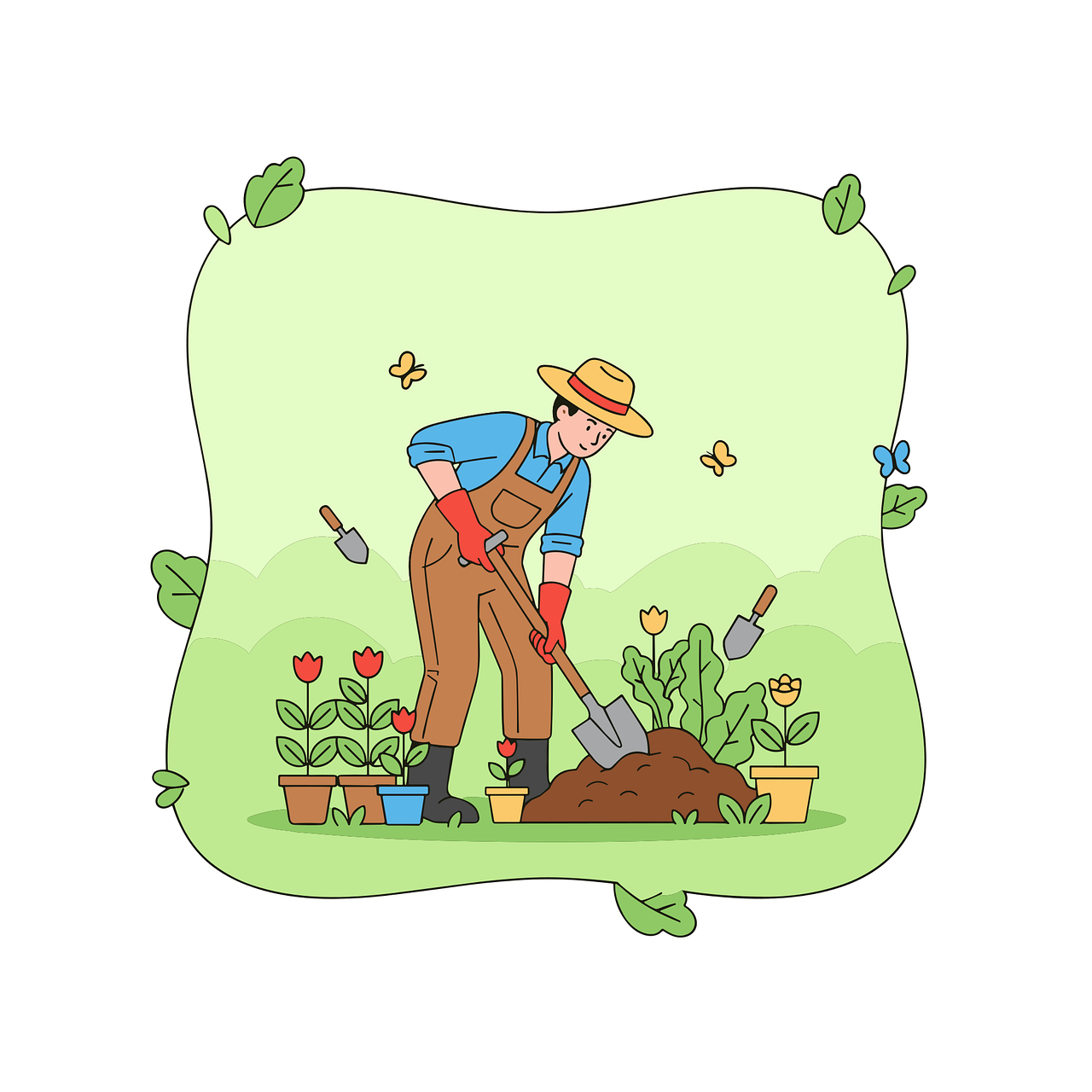

The Benefits of Home Gardening for Nutrition and Sustainability
Home gardening is a rewarding practice that fosters not only nutritional benefits but also sustainable living. When you grow your own vegetables, you engage with your food in a meaningful way, which can enhance your appreciation for fresh produce. This hands-on interaction encourages healthier eating habits while reducing reliance on store-bought foods, which are often laden with preservatives. Moreover, home gardens can significantly reduce your carbon footprint by decreasing the need for transportation associated with store-bought groceries. You can cultivate a variety of crops tailored to your needs and local climate, ensuring that you have access to nutrient-dense, seasonal foods. This practice not only contributes to personal well-being but also supports local biodiversity by providing habitat for various pollinators and beneficial insects. Growing your own food goes beyond nutrition; it serves as an educational opportunity for families, particularly children, to understand the importance of where their food comes from. With the right planning and resources, even a small space can be transformed into a productive garden, making sustainable eating practices accessible to everyone.
Enhancing Nutritional Intake
The nutritional benefits of home gardening are astounding, as growing your own fruits and vegetables allows you to control what goes into your meals. When you garden, you can choose organic or non-genetically modified seeds, making it easier to avoid harmful chemicals commonly found in commercial farming. Home-grown produce is also fresher, which is crucial for optimal nutritional content. Vegetables and fruits lose nutrients over time after being harvested, so consuming them fresh from the garden maximizes their health benefits. Home gardening encourages the intake of a variety of food groups, from leafy greens to colorful fruits, creating a diverse diet rich in minerals and vitamins. Additionally, growing herbs can boost culinary creativity and enhance flavors, allowing you to minimize unhealthy additives. Your garden can serve as an arrangement of colors, enticing children and family members to enjoy these healthful options. Meal preparation becomes an exciting experience when it includes fresh ingredients you’ve nurtured yourself. Moreover, this practice of gardening fosters an environment that promotes family bonding while learning about the value of nutritious eating and sustainable living habits.
Engaging in home gardening significantly contributes to environmental sustainability. It promotes a reduction in food waste since you can harvest only what you need for meals and prevent excess from spoiling. By practicing sustainable gardening techniques such as composting kitchen scraps and using rainwater or greywater, you further minimize environmental impact. This green practice also combats pollution by reducing reliance on mass food production, which typically involves extensive pesticide and fertilizer use. Moreover, local food systems supported by home gardens lead to decreased fossil fuel consumption as produce does not require transportation over long distances. Another sustainable practice involves community gardening, where neighborhood members can share resources and knowledge, ultimately resulting in stronger community ties. Additionally, gardening can promote ethical consumption through awareness of agricultural practices and sourcing methods, guiding you toward making more environmentally friendly choices. Gardening courses or workshops can also enrich your understanding, leading to better ecological decisions. Taking steps toward sustainable gardening helps to create a positive change in society, fostering health, wellness, and environmental responsibility.
Financial Benefits of Home Gardening
Home gardening presents financial benefits that can make a significant difference in your household budget. By growing your own vegetables and fruits, you can substantially cut down grocery costs, especially for organic produce, which often comes with a higher price tag. Investing time and effort into home gardening can lead to savings by producing an abundance of food that otherwise would be purchased at the store. Even a small garden can yield enough vegetables to cover a substantial portion of your family’s needs. You can plan your gardening activities according to seasonal cycles, which ensures a consistent yield throughout the year. Furthermore, by learning to preserve your home-grown produce through canning or freezing, you can extend the use of your harvest, saving even more money. Additionally, participating in local farmers’ markets with excess produce can provide a source of supplemental income, making gardening a fulfilling hobby that also benefits your wallet. The more you grow, the less you have to spend in the grocery aisle, allowing you to allocate those funds toward other necessary expenses or activities.
Participating in home gardening empowers individuals and families to take control of their food systems. By deciding what and how to grow, families can make conscious choices regarding food security and availability. This empowers people to rely less on external sources that may not align with their health ideals or ethical beliefs. Home gardeners tend to choose heirloom varieties and organic seeds, contributing to the preservation of biodiversity. Understanding seasonal cycles encourages individuals to appreciate the natural rhythms of nature and appreciate the connection between the earth and food production. Gardening also allows families to share meals that symbolize effort, cooperation, and reflect the fruits of collective labor. This also promotes discussions about nutrition and the fundamental value of eating whole foods over processed items. The act of planting, nurturing, and harvesting fosters a profound connection to nature, enhancing individual well-being. Home gardening can break generational gaps, as children who garden with their parents learn about nutrition and sustainability firsthand. This knowledge empowers the next generation to continue cultivating these practices, creating a lasting legacy that promotes both health and environmental consciousness in society.
Promoting Mental and Physical Health
Engaging in home gardening is not just beneficial for your nutrition; it also promotes mental and physical health. The physical activity involved in gardening contributes to overall fitness, helping to improve cardiovascular health, muscle strength, and flexibility. Tending to plants and working the soil can also serve as a form of exercise that can alleviate stress and anxiety. Studies have demonstrated that being in nature and participating in gardening activities can increase overall mood and emotional well-being. The routine of nurturing plants instills a sense of purpose and achievement, fostering mindfulness as you engage with the environment. In addition, the plants you grow contribute to a healthier diet, providing fresh produce that can improve physical health. The act of caring for living things promotes emotional growth and resilience, encouraging a connection to the cycle of life. Special care can also be taken to create a sensory garden, introducing various scents, textures, and colors, which is particularly beneficial for children. This aspect of gardening allows for therapeutic experiences that can be shared with family members, enhancing relationships while nurturing emotional well-being.
Furthermore, home gardening provides an excellent platform for fostering community connections. Establishing neighborhood gardens or participating in community events centered around gardening creates shared experiences that bond people through common goals. These gatherings can serve as a space for sharing gardening tips, as well as local recipes and culinary techniques, promoting the exchange of knowledge and resources in the community. Community gardens can become places of learning, offering workshops on sustainable practices and nutrition education. By growing food alongside others, participants also cultivate friendships and foster social networks, creating both a sense of belonging and support. The cultivation of shared spaces, such as community plots, reinforces the idea of teamwork and cooperation, as each member contributes to the success of the garden. Additionally, community gardening can enhance local biodiversity as various gardeners plant a diverse array of species. This ecological collaboration can create habitats for wildlife and foster a vibrant ecosystem. Ultimately, home gardening serves as a bridge between nutrition, sustainability, and building meaningful connections among community members.
Conclusion
In conclusion, home gardening intertwines many benefits concerning nutrition, sustainability, and community building. It provides an excellent opportunity for families to cultivate healthy eating habits while actively engaging with their environment. By growing your own food, you reduce reliance on processed options and have a say in the quality and source of your meals. Gardening also fosters mental and physical health, creating a fulfilling lifestyle choice that encourages exercise and mindfulness. The financial savings achieved through decreased grocery expenses can further motivate individuals to pursue gardening as a sustainable practice. The gathering of community through shared gardening experiences creates lasting bonds and promotes education around nutrition and sustainability. This holistic approach ensures that home gardening will continue to positively impact individuals and families for generations, equipping them with essential skills to thrive. Embracing home gardening as a way of life not only enhances your health and well-being but also contributes positively to the planet. As the popularity of home gardening continues to rise, so do the opportunities to transform how we think about food systems in our communities, creating more resilient and healthier societies.