
Quick Stress Relief Workouts for Busy Professionals
In today’s fast-paced world, busy professionals often find it challenging to prioritize their mental well-being. When work-related stress accumulates, incorporating quick stress relief workouts into daily routines can significantly alleviate tension. These workouts require minimal equipment and can fit effortlessly into a lunch break or after work hours. Focus on exercises that emphasize relaxation, stretching, and mindfulness to help release built-up stress. Whether you prefer yoga, high-intensity interval training (HIIT), or simply going for a brisk walk, the key is to find what works best for you. Practicing these workouts consistently will not only contribute to better mental health, but also improve overall physical fitness. Creating a dedicated space, even in the office, to perform these workouts enhances focus and motivation. Don’t underestimate the power of just a few minutes of physical activity, as they can help reset your mind. Embrace the challenge of integrating stress relief workouts into your busy schedule, and you’ll notice a significant improvement in how you cope with daily pressures.
One effective stress relief workout for busy professionals is a brisk walk. Walking outside, especially during lunch hours, allows for fresh air and a break from work. A consistent routine, ideally ranging between 20 to 30 minutes, can lead to substantial benefits. Studies suggest that walking increases endorphins, which are natural stress relievers. This activity not only enhances mood but also helps in better decision-making afterward. Additionally, it’s a simple way to re-energize and spark creativity. For even better results, consider inviting a colleague to join you; this encourages coworker bonding and provides motivation. Make use of a heart rate monitor or a fitness app to track your activities. If time is tight, try a 10-minute power walk around the office building. It’s a great way to decrease stress while getting your heart rate up. Remember, the goal is to step away from your desk and engage your body. Walking is an accessible option for everyone, making it an ideal choice for busy professionals seeking a quick stress relief workout that delivers results.
Yoga for Mindfulness
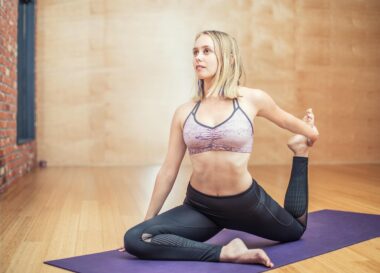
Yoga is another excellent choice for stress relief, particularly suitable for busy professionals. Even a short, 10 to 15-minute routine can provide a calming effect and improve focus. Start with basic poses, such as Downward Dog or Child’s Pose, which help to stretch tight muscles and facilitate relaxation. Pairing these movements with deep breathing exercises amplifies the stress-relief benefits by promoting mindfulness. Attend a local class or follow online instructions that suit beginners. Practicing at your desk can also be effective; chair yoga offers simple stretches that improve posture and reduce discomfort from long hours seated. Integrating yoga into your daily regimen enhances flexibility while promoting a sense of inner peace. Consider using a yoga mat or a thick towel to practice comfortably, ensuring you have the right space for movement. It’s essential to maintain a regular schedule, aiming to incorporate these exercises multiple times each week. This commitment to stress relief through yoga will foster greater emotional resilience and achieve better work-life balance. Thus, calming the mind becomes achievable even in the busiest of professional environments.
Another quick and effective stress relief workout is high-intensity interval training (HIIT). This approach combines short bursts of intense exercise with brief rest periods, making it a perfect fit for professionals on the go. Many HIIT workouts can be completed in just 20 minutes, providing an efficient way to boost both physical and mental health. Exercises can include jumping jacks, burpees, or mountain climbers; they require minimal space and no specialized equipment. Tailor your workout by selecting the duration and intensity that matches your fitness level, ensuring you challenge yourself but remain safe. Regular participation in HIIT can lead to improved mood and a decrease in stress levels. HIIT workouts can also promote weight loss and healthier cardiovascular function, supporting overall wellness. Incorporate HIIT sessions into your schedule two to three times a week, allowing time for recovery in between. Use fitness apps to help track progress and maintain motivation. Most importantly, combine HIIT with proper nutrition and hydration to maximize your health benefits while managing stress effectively.
Breathing Exercises
Incorporating breathing exercises into your daily routine is another simple yet effective strategy for stress relief. Deep, purposeful breathing helps to activate the body’s relaxation response, which counteracts stress. A common technique is the 4-7-8 method: inhale deeply for 4 seconds, hold for 7 seconds, and exhale slowly over 8 seconds. Practicing this rhythmic breathing for just a few minutes can help center your thoughts and calm your mind. Integrate this into your work schedule by taking a brief pause to practice whenever you feel overwhelmed. Performing breathing exercises can be done anywhere, making them accessible in stressful situations. Consider pairing this with mindfulness apps that guide you through meditation or visualization to enhance the experience. A calm environment can also promote deeper relaxation; using headphones to listen to soothing nature sounds or soft music can enhance the atmosphere. Committing to daily breathing exercises, even for short periods, fosters resilience against workplace stress. With time, you’ll likely notice how these moments contribute to a more balanced approach to challenges faced in professional life.
Group exercises can also serve as a fantastic way to alleviate stress effectively. Engaging in physical activities, such as boot camps or Zumba, cultivates camaraderie among coworkers. The social interaction fosters teamwork and strengthens relationships, a vital component in any work environment. Setting aside time for group sessions contributes significantly to stress relief through shared experiences. Plan weekly workouts with colleagues at a gym or choose outdoor activities, such as hiking. These sessions encourage motivation and can lead to an increased commitment to wellness as participants hold each other accountable. Integrating fun into fitness enhances the experience, making workouts enjoyable rather than a chore. Document progress and celebrate milestones together, creating a positive atmosphere focused on health and well-being. Consider using apps to communicate weekly workout goals and achievements. Overall, prioritizing group exercises not only supports physical health but also nurtures social connections, fostering overall job satisfaction. Due to the inherent support provided by group dynamics, individuals may handle stressful situations more efficiently both personally and professionally.
Stretch Breaks at Work
Implementing brief stretching breaks throughout the day can help refresh both body and mind. Simply dedicating five to ten minutes every hour to stretch can reduce muscle tightness caused by prolonged sitting. Basic stretches, such as neck rolls, waist twists, and shoulder shrugs, can alleviate discomfort and improve posture. Set reminders on your phone or monitor to encourage regular breaks; these will serve as gentle nudges to step away from your desk. Engaging in stretching promotes blood flow and can stimulate creative thinking. In addition, these mini-breaks enhance productivity by providing a mental reset. Collaborating on stretch routines with colleagues can also create an engaging atmosphere; consider organizing mini wellness sessions to share favorite stretches. To maximize benefits, focus on areas most affected by your work position. Try to incorporate breathing techniques while stretching, merging relaxation and physical health. This practice not only supports overall fitness, but it fosters unity in workplace wellness initiatives. A strong commitment to regular stretching can lead to long-lasting improvements in both physical comfort and emotional resilience.
In conclusion, quick stress relief workouts are essential for busy professionals seeking balance and improved mental well-being amid their hectic lives. Incorporating the outlined exercises, such as walking, yoga, HIIT, breathing techniques, group activities, and stretching breaks, can deliver substantial benefits in managing stress. The variations allow for tailoring fitness solutions that suit individual preferences and schedules. It’s crucial to prioritize movement and mindfulness as effective tools against workplace stressors. Every small step counts; adopting these practices can lead to meaningful changes over time. Professionals committed to regular workouts foster resilience, enhance productivity, and cultivate a more positive outlook. Aim to establish a routine that integrates these stress relief methods into your daily life, and you’ll be better equipped to navigate the challenges you face professionally. Remember, it’s about progress, not perfection; finding joy in movement should be the primary goal. As you embark on this journey toward increased wellness, embrace the experience, and share insights with coworkers. Together, you can create a supportive culture aimed at fostering health and reducing stress, ultimately resulting in improved overall job performance and satisfaction.