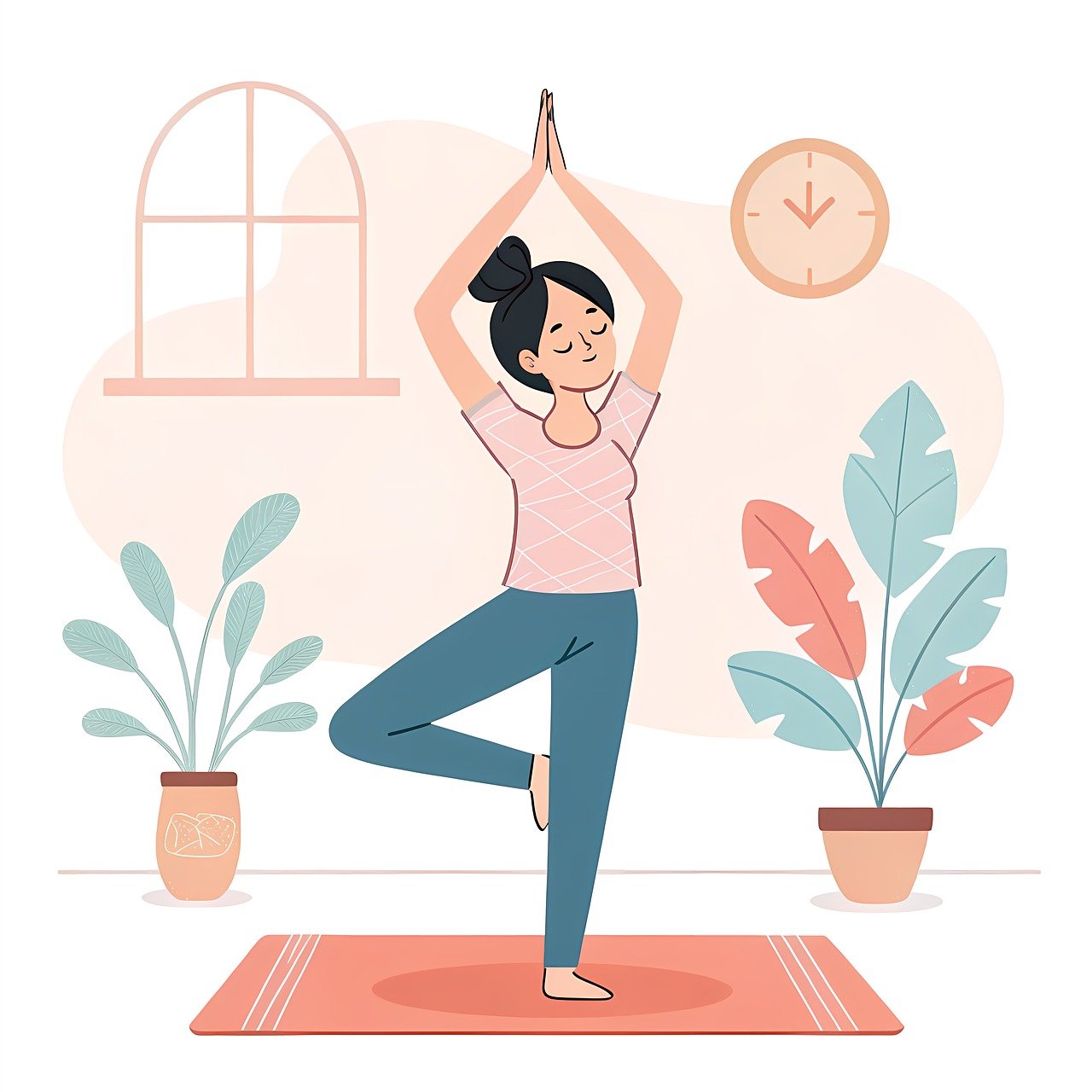

Flexibility Exercises to Reduce Injury Risk in Senior Fitness
As we age, maintaining flexibility becomes increasingly important for overall health and injury prevention. Older adults often face the risk of injuries due to stiffness and lack of mobility. Incorporating flexibility exercises into a regular fitness routine can significantly enhance joint mobility, improve balance, and promote a greater range of motion. This, in turn, reduces the likelihood of falls and other injuries associated with physical activity. Stretching exercises are essential for improving circulation and ensuring that muscles remain pliable and less prone to strain. In this article, we will explore various flexibility exercises tailored for seniors, focusing on their benefits, safety considerations, and easy-to-follow routines. By understanding and implementing these exercises, seniors can maintain their independence, engage in daily activities more comfortably, and ultimately lead a healthier life. We will also highlight modifications for those with limited mobility or chronic conditions. So, let’s delve into some effective flexibility exercises suitable for seniors, keeping in mind the importance of listening to one’s body and progressing at a safe, individualized pace.
One of the most effective flexibility exercises for seniors is the seated hamstring stretch. This exercise improves flexibility in the back of the legs, which is crucial for balance and mobility. To perform this stretch, sit on the edge of a sturdy chair with your feet flat on the ground. Slowly extend one leg straight in front of you while keeping it at a slight angle from your body. Then gently lean forward from your hips while reaching toward your toes until you feel a comfortable stretch in the back of your leg. Hold this position for about 15-30 seconds before switching to the other leg. This exercise can be enhanced by using a towel around the foot to provide additional leverage. Ensuring the back remains straight during the stretch is essential to avoiding injury. Regular practice of the seated hamstring stretch can increase flexibility and also improve posture, reducing back pain that many seniors experience. Encourage a routine of stretching at least three times a week for optimal results.
Upper Body Flexibility: The Shoulder Stretch
The shoulder stretch is another excellent flexibility exercise for seniors. Flexibility in the shoulder area is essential for everyday activities like reaching, lifting, and carrying objects. To perform the shoulder stretch, stand or sit up straight with your back aligned, and gently pull one arm across your body just below shoulder level. Use your opposite hand to apply gentle pressure on the arm, enhancing the stretch without causing discomfort. Hold this position for 15-30 seconds and repeat on the other side. This exercise can be modified by using a wall or doorway for additional support if needed. Regular practice helps decrease stiffness and promotes a better range of motion. Additionally, this stretch can alleviate tension and stress in the upper body, creating a sense of relaxation and well-being. It’s vital to perform the stretch slowly and breathe deeply while holding the position, maintaining focus on the moment. Consistency is key, and seniors should aim to incorporate this shoulder stretch into their daily routine for best results.
Dynamic Stretching: Cat-Cow Stretch
The Cat-Cow Stretch is a fantastic dynamic stretching exercise that fosters flexibility and helps warm up spinal muscles. For seniors, this movement can alleviate stiffness and strengthen the back and neck areas. To perform this stretch, start on all fours on a mat, aligning your wrists under your shoulders and knees under hips. Inhale deeply as you arch your back downward, lifting your head and tailbone toward the ceiling, which is the cow position. Exhale gently as you round your back upward, tucking your chin and pelvis in, transitioning to the cat position. Repeat this sequence 5 to 10 times at a comfortable pace. This exercise promotes improved spinal flexibility and coordination while also engaging your core muscles. Furthermore, it enhances posture and balance, which are critical for seniors. Seniors with knee issues or back problems should perform this exercise carefully, modifying it as needed. As with all stretching routines, the key is to listen to one’s body and adjust movements accordingly to avoid strain and frustration.
Hip flexor stretches are particularly valuable for seniors, as tight hip flexors can lead to discomfort and limited mobility. One effective hip flexor stretch is the lunge stretch. To perform this, start by standing upright and taking a step forward with your right foot, bending the front knee while keeping the back leg straight and extended. Ensure your front knee does not extend past your ankle to maintain proper alignment. Hold this position for 15-30 seconds and then switch legs. This stretch can be enhanced by reaching upwards with the arm on the side of the back leg, thereby stretching the entire hip region and torso. This exercise not only improves flexibility but also increases strength in the legs. It is crucial to maintain balance while performing this stretch; seniors can use a wall or chair for support if necessary. Consistent practice of the lunge stretch can yield substantial improvements in hip mobility and overall gait, contributing greatly to the prevention of falls and related injuries in senior fitness routines.
Incorporating Yoga: Seated Forward Bend
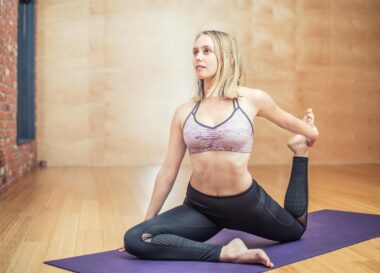
Incorporating yoga into a senior fitness regimen can provide a wide range of benefits, including improved flexibility. One simple yoga pose that works well is the seated forward bend. Start by sitting on the floor or a yoga mat with legs extended in front of you. Inhale deeply to lengthen the spine and, as you exhale, gently hinge at the hips, reaching towards your toes. It’s essential to keep a straight back to avoid strain. If reaching your toes is difficult, using a towel around the feet for support can be beneficial. Hold this position for several deep breaths, feeling the gentle stretch along the spine and hamstrings. The seated forward bend promotes relaxation and lower body flexibility, making it an ideal stretch for seniors. Individuals with lower back issues should approach this pose cautiously and may consider consulting a healthcare provider before incorporating it into their routine. Regular practice of the seated forward bend can greatly improve overall flexibility, making daily activities easier and less physically taxing.
Finally, gentle ankle and wrist rolls are essential exercises for promoting flexibility in the joints that often get overlooked. While seated or standing, simply lift one foot off the ground and rotate the ankle in circles, being mindful of any discomfort. Repeat this motion five to ten times on each side. For the wrists, extend both arms in front with palms facing upwards, and gently rotate the wrists in circular motions. These simple movements can enhance joint mobility, preventing stiffness and discomfort in everyday activities. The rolls help in maintaining balance, coordination, and flexibility, ensuring seniors can perform various tasks more comfortably. They can be easily integrated into any fitness routine and done multiple times during the day. Such flexibility routines promote circulation and decrease the risk of injuries over time. As a final reminder, seniors should always consult health care professionals before beginning any new exercise regimen, especially if they have pre-existing health issues. Maintaining joint flexibility and mobility are vital components of a healthy, active lifestyle.
Colorful fruits and veggies are integral for minimizing health risks.