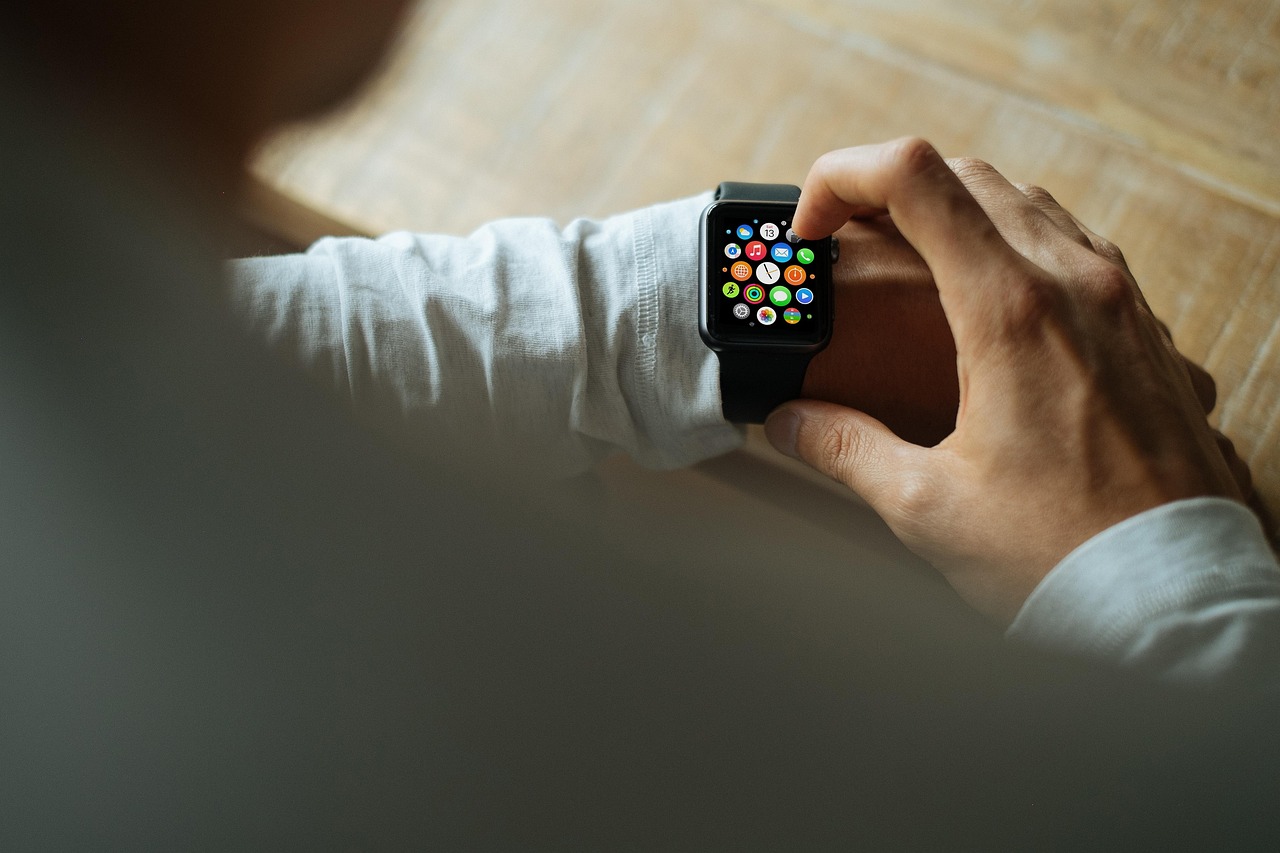

Using Wearables to Track Active Minutes Instead of Just Steps
In our fast-paced lives, finding ways to maximize fitness can be challenging, especially for busy individuals. Wearables, like fitness trackers or smartwatches, are increasingly popular for tracking physical activity. Many people primarily focus on the number of steps they take daily, but this metric can sometimes be misleading. Instead, tracking active minutes can provide a more comprehensive understanding of one’s activity level. Active minutes account for various forms of exercise, emphasizing the quality and intensity of activities rather than just counting steps. This shift in focus allows users to make better decisions about their fitness and overall health. Instead of simply aiming for a step count, individuals can prioritize engaging in heart-pumping activities that elevate their heart rate and provide greater cardiovascular benefits. With advances in technology, wearables now offer features that monitor heart rate, calories burned, and active time which can significantly aid busy people in staying motivated. Tracking active minutes could encourage more quality workouts and more efficient use of time, leading to a healthier and more active lifestyle.
Wearables have revolutionized how we approach personal fitness by facilitating real-time tracking of numerous health metrics. Unlike traditional methods solely focused on steps, many modern devices enable users to monitor their active minutes throughout daily activities. These minutes reflect time spent engaged in various exercises, from brisk walking to high-intensity workouts. This new focus helps users realize that even short bursts of activity contribute to overall well-being. By understanding the significance of these active minutes, busy individuals can integrate efficient workouts into their schedules. A thirty-minute run is certainly beneficial, but even ten minutes of intense cardio interspersed throughout the day adds up. As more people adopt these wearable technologies, it promotes a shift in fitness culture that values different exercise forms, inspiring users to harness every moment. Tracking active minutes can also support goal-setting efforts, making it easier to visualize progress. By registering significant effort over accumulative days, wearables help to boost motivation and maintain sustained fitness routines. Users can share accomplishments easily through apps and social media, further engaging their support networks and fostering a sense of accountability. Overall, wearables contribute positively to enhancing mental and physical health.
The Importance of Heart Rate Monitoring
To enhance the effectiveness of fitness tracking, many wearables now incorporate heart rate monitoring as an essential feature. Active minutes alone do not comprehensively capture the exertion behind physical activities; heart rate data provides valuable insights into how hard the body works during exercise. By analyzing heart rate, users can gain an understanding of whether they are maintaining an optimal intensity level, customize workouts, and track cardiovascular fitness over time. Many fitness experts suggest that maintaining a target heart rate zone can lead to improved performance, increased calorie burn, and enhanced endurance. With immediate feedback available through wearables, adjusting intensity becomes more manageable. This approach empowers users to prioritize quality over quantity. An effective workout snippet may involve getting above the resting heart rate for just a few minutes, thus contributing to movements beyond mere step counting. Aligning active minutes with heart rate monitoring makes exercise feel achievable, catering to busy lifestyles. As wearable technology continues to evolve, the integration of heart rate monitoring will play an even more significant role in helping users push their fitness boundaries sustainably. Overall, embracing this functionality would benefit individuals looking to optimize their health journeys.
Embracing the multitasking potential of wearables opens avenues for busy people to incorporate more fitness into their everyday routines. Many users often misunderstand how simple movements can convert into effective workouts. For instance, engaging in household chores or walking while on calls contributes to active minutes. Aiming to complete more activities is attainable by reshaping how one perceives everyday tasks. Wearables offer the ability to track these minutes effortlessly, allowing individuals to log physical movement without intense planning. Some devices even allow setting reminders to initiate short bursts of activity throughout the day, creating a helpful prompt to transition from being sedentary. This approach can help break the monotony of daily routines while significantly enhancing overall fitness levels. By maximizing activity during busy periods, users cultivate a sense of achievement in their fitness journeys. Moreover, the cumulative effect of consistent movement can counteract the lethargy stemming from prolonged sitting or stationary pursuits. Thus, smart wearables empower people to maintain a healthy lifestyle despite busy schedules. By adjusting daily mindsets towards valuing active minutes over step counts, the integration of movement becomes a seamless part of life.
Utilizing Wearables for Goal Setting
Effective goal setting is critical for fitness success, and wearables are excellent tools for achieving this. Individuals can monitor not only their active minutes but also trends that emerge over time by using these devices. Tracking progress towards specific fitness milestones fosters accountability, helping users stay motivated. Many wearables allow users to establish personal targets related to active minutes. For instance, one could aim to accumulate at least 150 active minutes weekly, aligning with various health recommendations. Achieving these goals fosters a sense of accomplishment and propels users to push themselves further. By receiving notifications about reaching milestones or inactive periods, wearables encourage better habits. Some devices even incorporate social features, providing users with opportunities to connect with friends and family, sharing goals, and motivating each other. This community component enhances the overall experience, creating an environment of support. Additionally, visualization through data enables users to analyze their performance critically, allowing them to adjust habits when necessary. Thus, wearables not only track fitness metrics but also empower individuals to take charge of their health journeys through effective goal setting.
Tracking active minutes instead of just steps represents a paradigm shift in how fitness is perceived and integrated into the daily lives of busy individuals. This evolution emphasizes engaging in a variety of physical activities that promote overall well-being rather than merely achieving arbitrary step counts. As technology advances, wearable devices continuously refine their algorithms to better serve users, providing increasingly accurate assessments of activity intensity and overall engagement. By enabling real-time feedback, these devices allow users to make quick adjustments to their workout routines and seize opportunities for additional movement throughout the day. The advantages of focusing on active minutes become clearer when viewed comprehensively as they account for varied activities, suggesting that users need not perform lengthy workouts to benefit from physical activity. Instead, finding clever ways to squeeze in additional minutes can yield significant health benefits over time. This approach allows users to better enjoy workouts rather than fostering a sense of burden. The allure of more achievable fitness goals encourages fitness adoption while cultivating consistency. Overall, tracking active minutes can promote a healthier and more balanced routine for busy people.
Conclusion
The growing popularity of wearable devices reflects a change in how fitness and health can coexist with busy lives. Tracking active minutes fosters a new mindset, promoting a balanced approach by presenting fitness as an achievable and enjoyable endeavor. By considering not only steps but also the intensity and duration of various physical activities, wearables encourage individuals to embrace movement in all forms, ultimately leading to healthier lifestyles. Integrating technology into fitness routines allows users to personalize their approach, track progress effectively, and participate in a supportive community driven by common goals. With improvements in wearability and data accuracy, the future of fitness will likely hinge on these emerging technologies catering to busy people. By focusing on active time, individuals can embrace the holistic nature of health, engaging in activities they genuinely enjoy while managing commitments. Ultimately, the ease of use and the motivational aspect of smart devices position them as vital allies in the pursuit of fitness. Therefore, individuals keen on improving their health should consider exploring wearables, maximizing their active minute tracking potential. This shift signifies a transformative approach conducive to healthier lifestyles for the modern individual.
Embracing a Healthier Future
As mentioned earlier, incorporating wearable technology into daily routines encourages a healthier, more active lifestyle. The evolution of fitness tracking goes hand in hand with the growing awareness of mental health and wellbeing. Users are becoming increasingly conscious of the relationship between physical activity and mental health, recognizing that exercise is essential for emotional well-being. As people become more familiar with the multisensory aspects of wearables, they realize that their fitness trackers serve as crucial components in cultivating a positive mindset while promoting self-awareness. Mindfulness techniques combined with physical activity can help users reset and recharge as they pursue their health goals. Overall, a more comprehensive approach to fitness and well-being fosters lasting changes. By integrating various physical movements into daily life, offering multifaceted tracking features, and adapting to individual lifestyles, wearables provide the perfect solution for busy individuals. They not only support active minute tracking but also promote a holistic tendency toward self-improvement. The future is bright, and integrating wearables into fitness regimens will likely inspire generational changes in attitudes towards health.