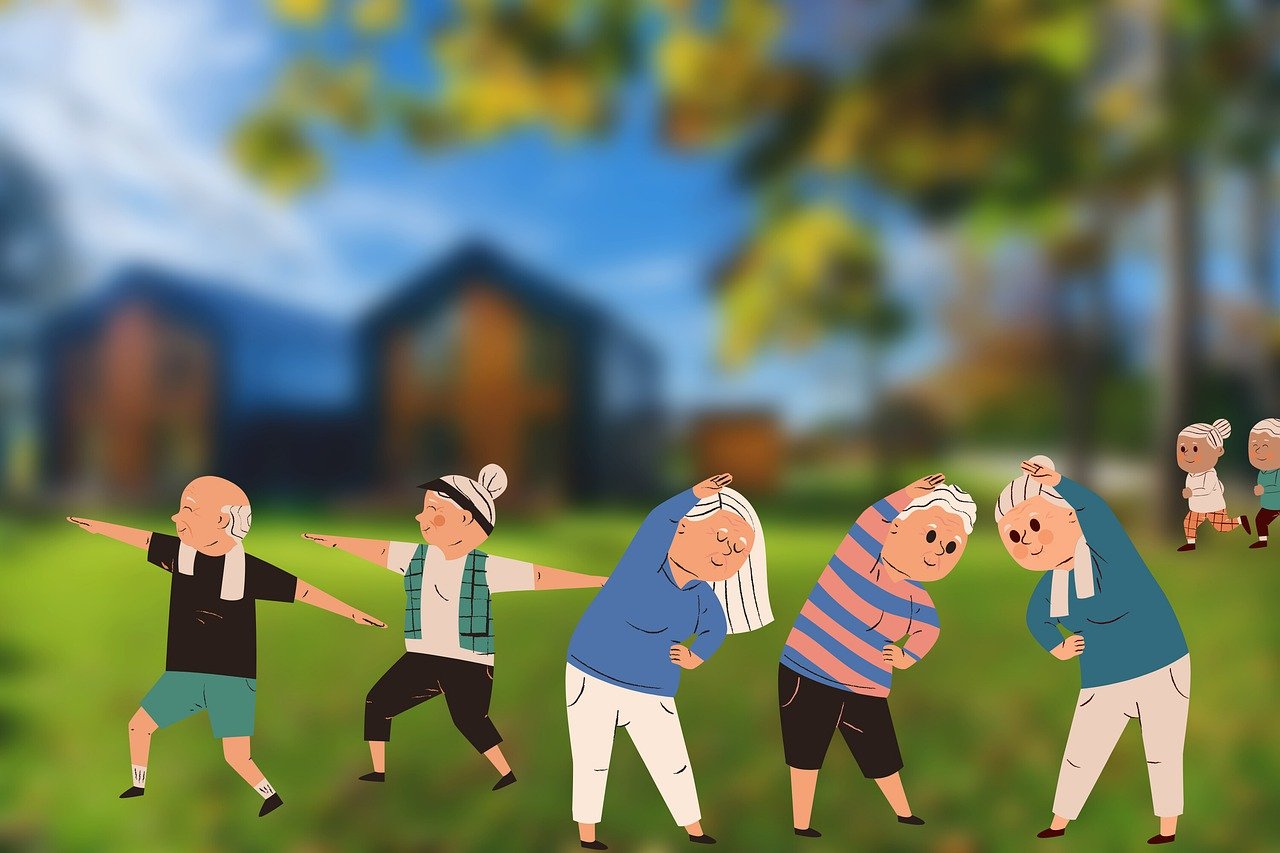

Collaborative Care: Physical Therapists and Other Professionals in Senior Health
The role of physical therapists (PTs) in senior health is critically important to enhance the quality of life. PTs specialize in the treatment of physical impairments and disabilities, particularly among older adults. They are skilled at designing individualized exercise programs that cater to the specific needs of seniors, focusing on strength, flexibility, and balance. Exercise has profound benefits for aging individuals, including reducing the risks associated with chronic diseases. By collaborating with healthcare professionals, such as physicians, occupational therapists, and nutritionists, PTs can create comprehensive care plans. This collaboration ensures a holistic approach that addresses all aspects of senior fitness. By leveraging the expertise of various professionals, PTs can facilitate better outcomes for their patients. Furthermore, physical therapists also play a crucial role in educating seniors about the importance of staying active, the right nutrition, and how to prevent injuries during physical activities. This commitment to preventative care is invaluable as it can significantly enhance both health and longevity in seniors. Ultimately, the integration of PTs into a multidisciplinary team is vital for fostering optimal health among older adults.
Seniors often face unique challenges that can inhibit their physical abilities, making the role of physical therapists essential. Many older adults may experience conditions such as arthritis, osteoporosis, or recovery from surgery, which can severely limit their mobility. Physical therapists employ techniques such as manual therapy, therapeutic exercises, and modalities to combat these issues. One crucial aspect of their approach is to promote patient education and encourage active participation. PTs help seniors understand their limitations while emphasizing their abilities, fostering a positive mindset towards fitness. Access to tailored fitness programs designed by PTs can significantly enhance a senior’s confidence in their physical capabilities. Moreover, PTs often act as advocates for older adults, advocating for their health and safety during rehabilitation processes. Involving family members or caregivers in treatment plans is another effective strategy used by PTs. This inclusion provides a support system that can positively influence a senior’s rehabilitation and fitness journey. Physical therapists are essential team members in any health care system focused on senior wellness, helping navigate the complexities surrounding senior health care challenges while promoting independence and longevity in life.
The Benefits of Team-based Approaches
A team-based approach to senior health that includes physical therapists can significantly impact overall well-being. When PTs work alongside doctors, nurses, and nutritionists, they can create comprehensive care plans tailored to the individual needs of each senior. This synergy ensures that all health factors are considered, promoting better coordination of care. For instance, a physical therapist may identify specific mobility issues that warrant dietary adjustments, which can be addressed by a nutritionist in the same health setting. Additionally, communication within the team allows for quick adjustments in treatment plans based on real-time progress. PTs can also provide critical input during multidisciplinary meetings, sharing insights on movement strategies that may enhance therapy effectiveness. Collaborative care models have been shown to lead to improved outcomes and higher patient satisfaction among seniors. By reducing the fragmentation of care, older adults can experience more cohesive support, making transitions between healthcare settings smoother. Ultimately, the collaboration fosters an environment that prioritizes senior health, leading to longer, healthier lives enriched with mobility and independence.
Education is another key component of the role of physical therapists in senior fitness. PTs not only provide therapy but also serve as educators, empowering seniors with knowledge regarding their health and fitness. They inform patients about safe practices for exercise, helping them avoid injuries while maintaining active lifestyles. Alongside other healthcare professionals, they can offer workshops and seminars to engage seniors in learning about the benefits of fitness and staying active. Such educational initiatives are crucial in dispelling common myths surrounding aging and physical activity. With increased awareness, seniors may feel more motivated to engage in physical fitness and maintain regular activities. Physical therapists can guide patients in setting realistic fitness goals, ensuring that the objectives are attainable and tailored to their capabilities. Frequent assessments and adaptations to fitness plans are essential to accommodate the evolving needs of older adults. This proactive approach towards health education can significantly reduce fall risks and hospitalizations. Moreover, it encourages a sense of community among seniors, where they can share experiences, thereby enhancing social interactions and support systems while working towards shared health goals.
Challenges and Opportunities
Despite the numerous benefits of involving physical therapists in senior fitness, challenges remain. One primary challenge is accessibility to healthcare services, as not all seniors can easily access physical therapy. Geographical barriers, lack of transportation, and financial constraints often limit elderly individuals from receiving the care they require. Addressing these issues necessitates innovative approaches, such as telehealth options that allow remote consultations and guidance. Telehealth has gained significant traction during the pandemic and can provide seniors with valuable support without compromising their safety. Furthermore, awareness of the benefits that physical therapy offers must be raised among seniors and their families. Campaigns aimed at educating older adults about available services are essential. This outreach can help families understand the importance of seeking professional assistance for maintaining health and fitness. Collaborations with local community programs can also enhance provisions for physical activity for seniors, creating inclusive environments. Thus, creating opportunities for interdisciplinary teams in community wellness programs can further bridge the gap. By addressing these challenges, physical therapists can expand their reach and enhance their impact on senior health, ensuring better fitness and overall well-being.
Incorporating technology into physical therapy practices is reshaping how care is delivered to seniors. Technology plays an essential role in engaging this demographic in their fitness journeys. For example, wearable fitness trackers can help seniors monitor their activity levels and set achievable goals. Apps designed specifically for older adults can offer personalized exercise routines, ensuring they remain motivated and active. Moreover, virtual classes can be an excellent avenue for seniors to stay engaged, allowing them to exercise from the comfort of their homes. This approach also helps build a sense of community, as seniors can connect with peers and share their experiences through digital platforms. Physical therapists can leverage technology to track patient progress efficiently, allowing for timely modifications in fitness plans. Innovations such as virtual reality (VR) also hold promise for providing unique, engaging experiences for rehabilitation purposes. As technology advances, the role of physical therapists will evolve to include digital literacy, creating opportunities for seniors to thrive within modern fitness landscapes. Ultimately, exploring technology opens pathways for seniors to maintain health and fitness while promoting an active lifestyle in an increasingly digital world.
Conclusion
The collaborative efforts of physical therapists and other health professionals significantly enhance the health landscape for seniors. By integrating multidisciplinary approaches, a broader spectrum of care can be provided, addressing the unique needs of aging adults. Physical therapists ensure that exercise regimens are beneficial and safe, while their educational roles empower seniors to take control of their health. This collaborative spirit fosters improved outcomes, enhancing mobility and quality of life for seniors who engage in fitness. By leveraging a blend of education, technology, and teamwork among health care professionals, seniors can experience a more enriched and fulfilling life journey. As the aging population continues to grow, highlighting the importance of collaborative care becomes increasingly vital. Future research and policy considerations should focus on expanding access to physical therapy services and enhancing outreach efforts. The shared goal must remain centered on ensuring that all seniors can live active, healthy lives, thereby incorporating physical fitness into their daily routines. Thus, as we advance, the emphasis on teamwork in senior health care will play a crucial role in facilitating better and longer lives for our aging population.
Recognizing the importance of physical therapists will elevate the approach to senior health care and fitness, making it a top priority.