
Adapting Swimming Workouts for Different Age Groups in Youth
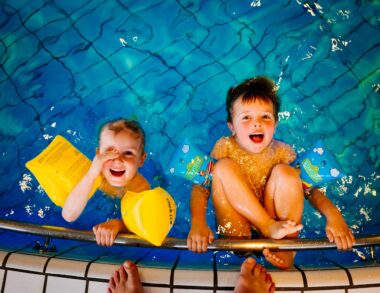
Swimming is an essential skill everyone should learn, especially children. As they progress through different age groups, workouts need to be adapted to suit their development stages. For younger kids, emphasizing play in the water is essential, fostering a love for swimming. Incorporating games such as water tag and treasure hunts can enhance their skills while keeping them engaged. These activities not only improve swimming techniques but also build confidence. A structured approach to swimming training, particularly in the formative years, instills discipline and motivates youngsters to pursue fitness. Tweaking swimming exercises for various age groups ensures a safe and enjoyable experience while maximizing benefits. For instance, targeting strokes, breathing techniques, and endurance can accommodate older children. At this age, they can handle longer swim sets and drills, working towards competitive swimming. Additionally, ensuring that workouts balance rigor and fun is vital. Regular feedback from coaches and a supportive environment contribute significantly to youth athletes’ holistic development, which is essential for lifelong participation in swimming.
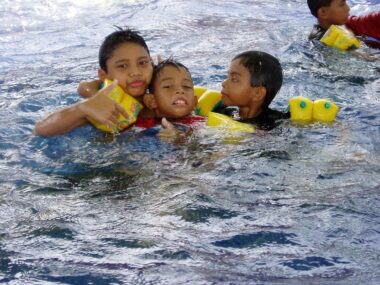
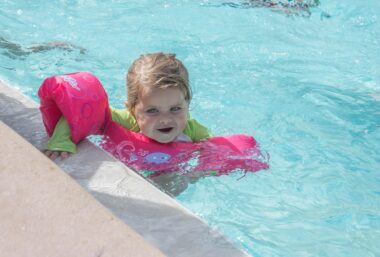
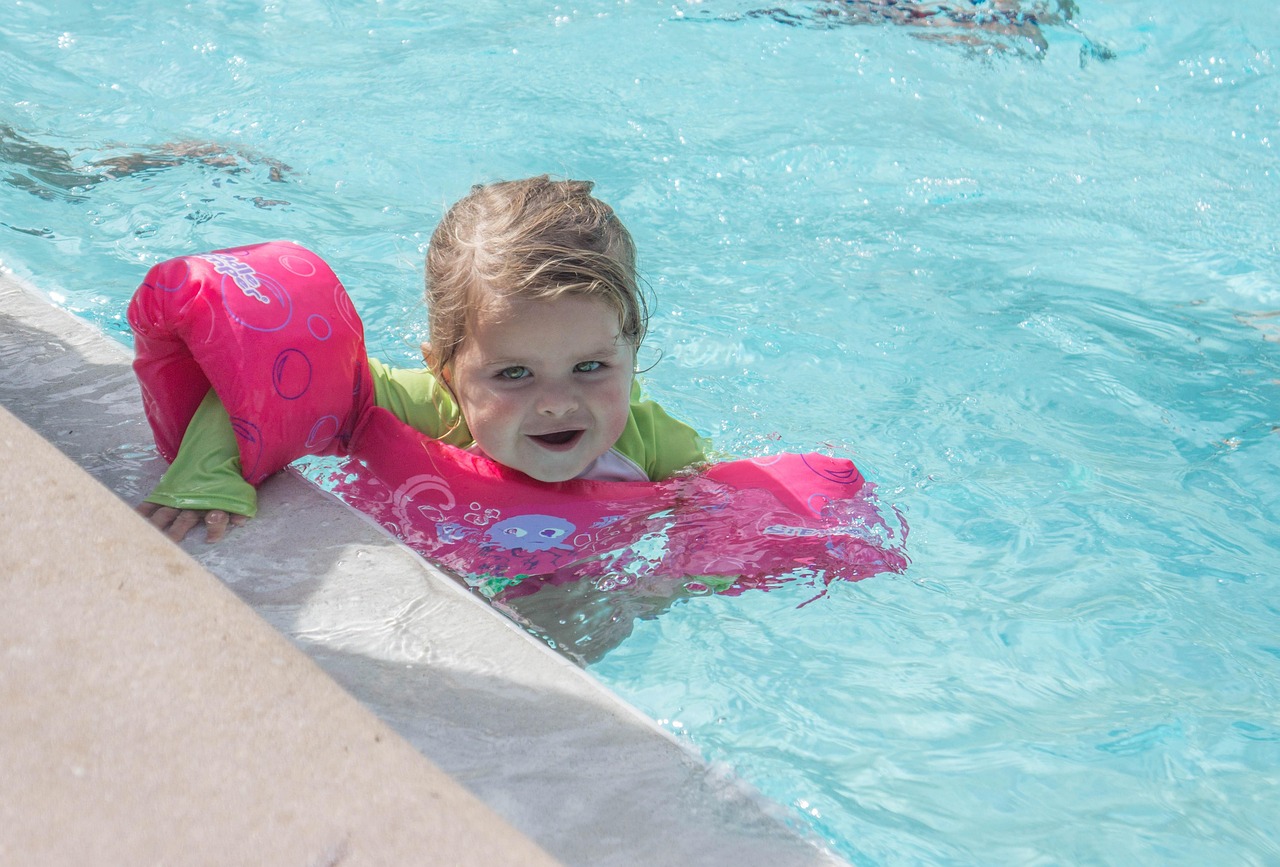
For toddlers and preschoolers, the foundation of swimming should primarily revolve around water safety. The primary goal is to help them acclimate to the water. Using floatation devices allows for a gentle introduction to the water environment. Activities can include simple floating games and splashing exercises, where they become familiar with water movement. As children grow into the early elementary years, their physical coordination improves, allowing for structured lessons. During this stage, introducing fundamental swimming techniques is essential. Simple drills focusing on body positioning and flutter kicks help establish basic swimming abilities. Fun is still critical at this stage; encouraging group activities promotes teamwork and social skills as children learn together. Music can also engage this age group, making lessons lively and entertaining. Safety remains paramount, with a keen emphasis on supervision and proper swim attire. In these early years, the essence of swimming lessons is to foster love, enjoyment, and comfort around water. This foundation will prove vital as they progress to more sophisticated techniques in subsequent years as their physical ability and skills develop.
As children transition into middle school, swimming workouts must shift focus from play to technique and skill development. This age group can begin to refine their strokes, turns, and starts, which lays the groundwork for competitive swimming. Workouts should be progressive, introducing interval training and technique drills focusing on stroke efficiency. Additionally, incorporating games that require speed and tactical thinking can enhance their competitive edge while maintaining fun element. It’s crucial to provide clear structure within the workouts to ensure that they are both challenging and achievable. Coaches should actively provide constructive feedback to enhance learning and bolster confidence. Building friendships through swim teams can further motivate young athletes to push their limits. Building proper conditioning during these years contributes to athletic readiness and channeling their energy into effective training routines. Maintaining a balanced approach to training will help prevent burnout while allowing for optimal performance. Furthermore, integrating dry-land training routines can complement their swimming workouts. This approach aids in building strength and flexibility, essential components that directly impact performance in the water as they develop.
Nutrition and Hydration for Young Swimmers
Nourishment plays a crucial role in enhancing the effectiveness of swimming workouts for youth. Young swimmers must receive adequate nutrition to fuel their bodies and enhance recovery. Protein-rich foods are necessary for muscle growth and repair, while carbohydrates provide the energy needed for high-intensity workouts. Encouraging the consumption of fruits and vegetables adds essential vitamins and minerals that support overall health. Hydration is equally important before, during, and after workouts, as young swimmers can quickly become dehydrated in water activities. Water is crucial; however, incorporating electrolyte-rich drinks after extended swim sessions can help in replenishing lost nutrients. Planning meals around practice sessions ensures swimmers have energy while preventing any discomfort in the water. Engaging children in discussions about the importance of nutrition promotes healthy habits for life. Furthermore, involving kids in planning and preparing meals can make them more invested in their dietary choices. Maintaining a routine that balances swimming with proper nutrition and hydration is vital for their success and growth as young athletes who enjoy the sport and stay healthy throughout their competitive swimming journey.
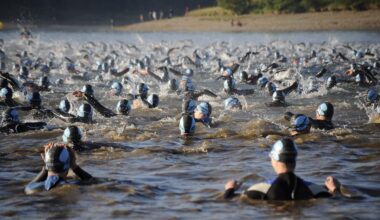
In high school, athletes begin to specialize in swimming, and their workouts should adapt accordingly. Emphasis should be placed on specific strokes and race distances as teens find their strengths. This age is when competitive swimming becomes more serious, requiring tailored training plans focusing on skills for events. Interval training techniques come to the forefront to enhance speed, endurance, and efficiency. Furthermore, integrating strength training routines helps build the physical capabilities necessary for enhanced performance. Coaches should frequently assess swimmers to adjust plans based on individual progress and goals. Specific attention must be paid to mental preparation, as this period can come with increased pressure for young athletes. Mental resilience and strategic pacing during competitions can significantly impact performance. Balancing school commitments with training schedules is vital at this stage. Young swimmers must devise time management skills to successfully navigate both academic responsibilities and training loads. Participation in swim meets becomes essential for experience and growth, offering them a real taste of competitive environments. Encouraging a supportive atmosphere that fosters teamwork and camaraderie further enhances their swimming experiences.
The Role of Parents in Youth Swimming
Parents play a critical role in their child’s swimming journey, providing support, encouragement, and oversight. Their involvement can range from offering transportation to swim meets to engaging with coaches about their child’s progress. It’s important for parents to understand the significance of promoting a healthy balance between training and leisure experiences in the water. Encouraging children to set personal goals also aids them in developing a sense of ownership regarding their swimming progress. Additionally, mentoring from parents on how to deal with disappointment and develop resilience is key in competitive sports. Parents should be aware of their child’s emotional well-being while highlighting the importance of hard work and determination. Ensuring a healthy perspective on competition—seeing it as a chance to have fun rather than solely win—contributes positively as the youth navigate challenges. Volunteering at swim events can also allow parents to become involved and build a supportive community around the swim team. This involvement fosters a rich environment for young swimmers, encouraging their continued participation in a supportive and enjoyable atmosphere as they develop all of these essential components.
In conclusion, adapting swimming workouts for varying age groups is vital for nurturing children’s love for the sport. Emphasizing safety and play in early years, while progressively building skills later, allows young swimmers to develop holistically. Creating an environment that balances enjoyment and skill development fosters resilience, discipline, and teamwork. Nutrition and proper hydration should accompany workouts to maximize performance and recovery effectively. Moreover, the involvement of parents enriches the swimming experience, promoting a lasting passion for aquatic activities. As children transition into competitive swimming, a structured approach focused on strokes, technique, and mental preparedness becomes essential. Coaches play a significant role in guiding young swimmers through tailored training plans. Ultimately, providing support, encouragement, and structured workouts throughout their developmental journey helps inspire the next generation of swimmers and can lead to lifelong engagement in this beneficial sport. By investing time and resources into youth swimming programs, we ensure that children not only become talented swimmers but also grow physically, socially, and emotionally as they connect through sport to the water, nature, and themselves.
Swimming is an essential skill everyone should learn, especially children. As they progress through different age groups, workouts need to be adapted to suit their development stages. For younger kids, emphasizing play in the water is essential, fostering a love for swimming. Incorporating games such as water tag and treasure hunts can enhance their skills while keeping them engaged. These activities not only improve swimming techniques but also build confidence. A structured approach to swimming training, particularly in the formative years, instills discipline and motivates youngsters to pursue fitness. Tweaking swimming exercises for various age groups ensures a safe and enjoyable experience while maximizing benefits. For instance, targeting strokes, breathing techniques, and endurance can accommodate older children. At this age, they can handle longer swim sets and drills, working towards competitive swimming. Additionally, ensuring that workouts balance rigor and fun is vital. Regular feedback from coaches and a supportive environment contribute significantly to youth athletes’ holistic development, which is essential for lifelong participation in swimming.