
Open Water Swimming Competitions: What You Need to Know
Open water swimming competitions are thrilling events that take place in natural bodies of water like lakes, rivers, and oceans. These competitions offer swimmers a unique challenge as they navigate through unpredictable conditions including waves, currents, and varying water temperatures. The excitement of participating in these events attracts many enthusiasts who wish to push their limits and enjoy the beauty of nature while swimming. Competitors range from elite athletes to recreational swimmers, making the events inclusive for all skill levels. To successfully compete in open water swimming, proper training is essential. Swimmers must develop endurance and speed but also learn to adapt to changing environmental factors. Additionally, mastering techniques like sighting and drafting can significantly enhance performance during races. Safety is paramount in open water swimming, making it crucial for event organizers to implement measures such as safety boats, buoys for course marking, and guidelines for swimmers. This ensures everyone can participate safely while having a great experience. Whether you’re a spectator or participant, open water swimming competitions are sure to provide excitement and inspiration.
Preparation for open water swimming competitions greatly differs from that of pool competitions, calling for specific training regimens. Swimmers need to develop comfort in open water, which can feel daunting to many. One effective strategy is starting with gradual exposure to open water environments, ensuring that athletes adapt before race day. Several aspects of preparation can aid athletes in facing challenges. Some useful tips include practicing in different weather conditions, wearing the appropriate wetsuit, and understanding the water temperature. Familiarizing oneself with the racecourse is equally critical, as it helps swimmers strategize and plan their strokes accordingly. In many cases, these competitions can take place in various locations, leading to varying levels of difficulty. Another vital component of preparation involves physical conditioning. Swimmers should maintain a regular training schedule that incorporates long-distance swims, strength training, and flexibility exercises. Nutrition also plays a significant role; a balanced diet is necessary for peak performance. Hydration should not be neglected, especially before and during the event, as open water swims can be quite demanding. Overall, thorough preparation is fundamental in achieving success in open water swimming competitions.
Understanding Rules and Regulations
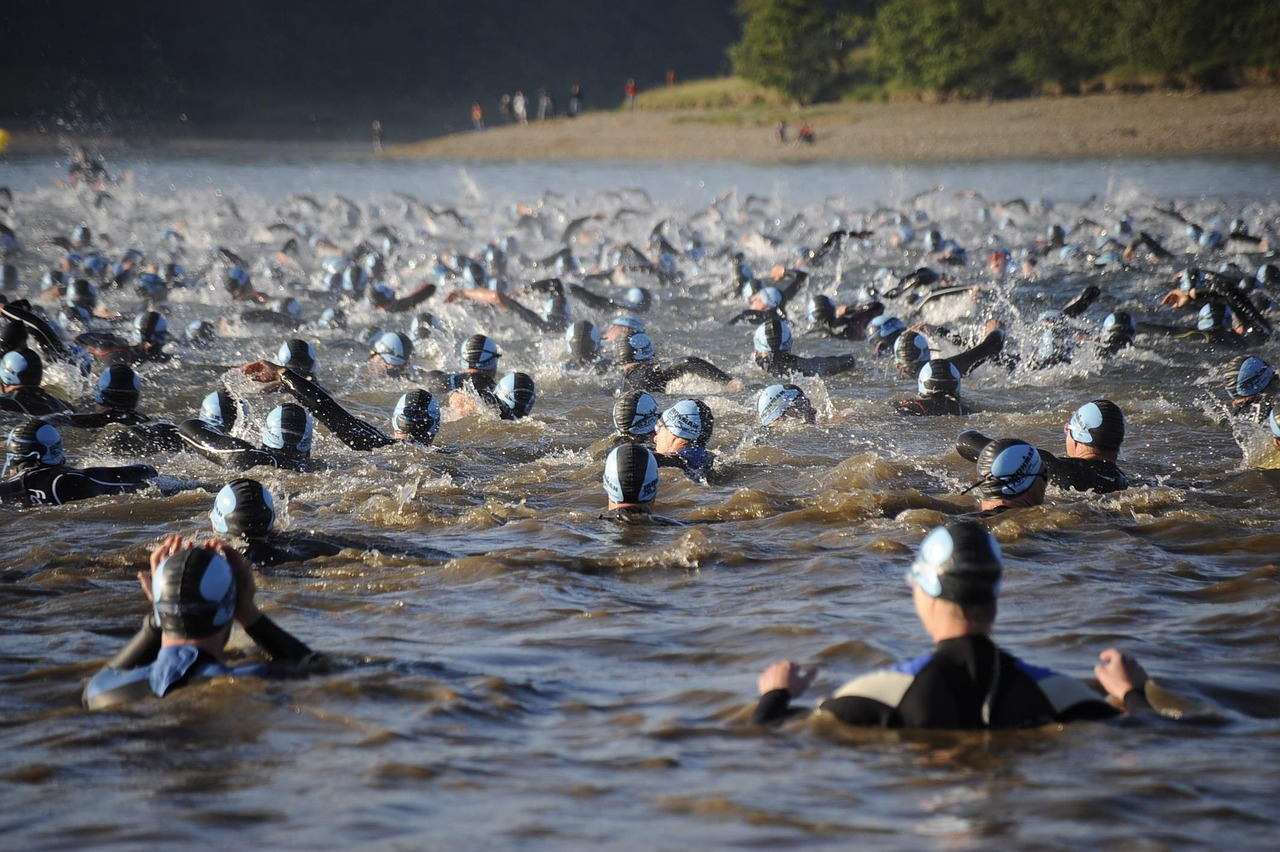
Every open water swimming competition has specific rules and regulations that participants must adhere to for a fair race. These can include guidelines regarding swimwear, race formats, and pacing. For instance, swimmers may be required to wear brightly colored caps to enhance visibility in the water, ensuring safety during the competition. Race formats can vary, with some events being individual time trials, while others are mass starts where swimmers begin simultaneously. Knowing the starting procedure can influence how well competitors perform, as positioning matters significantly. Understanding pacing is essential, particularly during longer swims, as swimmers need to manage their energy throughout the course. Additionally, in many competitions, drafting is allowed, providing advantages for more experienced swimmers. However, rules around drafting must be observed to avoid disqualification. Some races might have time limits or specific cut-off times which require knowledge and adherence to avoid being pulled from the race. Familiarizing oneself with comprehensive event regulations can offer a competitive edge, save time, and narrow down any possibilities of penalties during competitions. Swimmers are encouraged to review these rules thoroughly before participating.
Open water swimming events vary in distance, making it crucial for participants to select races that align with their skill levels. Common distances include 1-mile, 5-kilometer, and 10-kilometer swims. Each distance presents unique challenges and necessitates varying training regimens and strategies. Beginner swimmers might find shorter distances such as the 1-mile swim to be more suitable, while experienced athletes often engage in longer races. Additionally, some competitions integrate age categories to ensure fair competition among participants. Age groupings can create a more enjoyable atmosphere, as swimmers compete against others of similar skill and experience. During the event, swimmers need to consider a variety of factors that can impact performance. These include adjusting to water temperature, managing energy levels, and navigating through fellow competitors. Staying calm and collected in the face of adversity can prove essential during competitive swims, particularly in crowded events where bumping into others is common. Given the physical demands of these competitions, focusing on endurance training is vital, particularly when preparing for longer races. Ultimately, selecting the right distance can lead to a rewarding and fulfilling open water swimming experience.
Nutrition and Hydration Tips
Maintaining proper nutrition and hydration is essential for athletes preparing for open water swimming competitions. A well-balanced diet that includes carbohydrates, proteins, and healthy fats ensures swimmers have the energy needed to perform well. Carbohydrates serve as the primary source of energy, so athletes should include whole grains, fruits, and vegetables in their diet. Proteins, found in items like lean meats, legumes, and dairy, contribute to muscle repair and recovery, which plays a vital role during training. Healthy fats, such as those from avocados and nuts, provide sustained energy and should be included for overall nutrition. Swimmers should be aware of their hydration needs, particularly on race day. Consuming adequate liquids before, during, and after an event is crucial to avoid dehydration. Swimmers should aim to drink water or sports drinks that can replenish lost electrolytes. Pre-race meals should consist of easily digestible foods to prevent discomfort during the swim. Lastly, planning meals and snacks around training sessions and the actual competition can assist with optimal energy levels and performance. Nutrition is not to be underestimated in preparing for successful open water swims.
The psychological aspect of open water swimming cannot be overlooked, as mental preparedness plays a significant role in performance. Athletes often face anxiety or fear when swimming in unpredictable environments. Techniques such as visualization and positive affirmations can help swimmers calm their minds and build confidence in their abilities. Additionally, establishing a pre-race routine can provide structure and familiarity, reducing pre-competition nerves. For many, adjusting to open water swimming also means facing fears related to water conditions or other concerns like visibility. To combat these worries, athletes may incorporate breathing exercises or mindfulness practices into their training regimens. Ultimately, focusing on the process rather than the outcome can shift attention away from anxiety-inducing thoughts. Encouragement and camaraderie are prevalent in open water swimming, fostering supportive environments that benefit everyone involved, including spectators. Engaging in conversations with fellow participants can enhance the overall experience while highlighting shared fears and triumphs. Mental resilience develops over time, encouraging athletes to embrace the challenges and spontaneity of open water swimming. Building mental toughness equips swimmers for anticipated and unforeseen challenges, elevating overall competition readiness.
Post-Competition Recovery
Recovery after an open water swimming competition is as critical as the preparation before the event itself. Swimmers should engage in a thorough cool-down routine following their races to help flush out lactic acid and reduce muscle soreness. Light swimming, stretching, or even a leisurely walk can aid in recovery and limit stiffness. Immediately after competing, refueling the body is essential; consuming a combination of carbohydrates and protein will kickstart recovery. Additionally, hydration remains vital, as swimmers should immediately replenish lost fluids. It’s also beneficial to rest adequately after the event, providing the body with time to recuperate. Rest days should be integrated into training schedules to allow for proper muscle healing and prevent overtraining. Using recovery techniques such as foam rolling or massage therapy can help soothe sore muscles and relieve tension. Furthermore, logging experiences and reflections on performance can provide valuable insights for future events. Keeping track of emotions and physical responses can foster growth as an athlete. Prioritizing post-competition recovery contributes significantly to long-term success and satisfaction in open water swimming competitions.
Engaging in open water swimming competitions offers benefits beyond competition, enhancing overall well-being and fitness. Swimmers often develop greater strength, endurance, and flexibility, translating to improved performance in other sporting activities. Moreover, being immersed in nature fosters a unique connection that enhances mental health. Natural bodies of water can be calming and refreshing, providing a holistic experience that benefits mental clarity. The social interactions that occur through competitions and training sessions lead to community building among enthusiasts, promoting lifelong friendships. Swimmers often find motivation through camaraderie, lifting one another up and encouraging day-to-day training. The adventure element of open water swimming also appeals to many, allowing for exploration of various locations across diverse landscapes. Each event brings new experiences, from scenic views to testing weather conditions. Embracing these opportunities contributes to personal growth, pushing individuals beyond their perceived limits. Overall, participating in open water swimming competitions feeds both physical and mental aspects of health, creating a well-rounded athletic experience. For those looking to challenge themselves, cherishing nature, and connecting with others, open water swimming offers immense rewards.