
How to Avoid Workout Injuries: Facts That Matter
Injury prevention during workouts is crucial for fitness enthusiasts aiming to stay active. Many believe that stretching before any exercise protects them from injuries. However, while stretching can enhance flexibility, it is not a foolproof prevention method. It’s essential to incorporate a proper warm-up routine that gradually elevates your heart rate, increases blood flow to muscles, and prepares your body for physical activity.
Another common myth is that weightlifting inevitably leads to injury due to increased risk. In reality, the risk is heightened only without proper form. Training with heavy weights without the correct technique can precipitate injuries, while progressive overload performed accurately can strengthen muscles, joints, and connective tissue. Always learn the proper form and consider working with a coach if you’re new to weightlifting.
A pervasive misconception suggests that all types of pain during workouts indicate a serious injury. Many fitness enthusiasts feel a degree of discomfort when pushing their limits. This doesn’t mean they should stop immediately; understanding the difference between discomfort caused by exertion versus acute pain is vital. When in doubt, consult a medical professional to avoid exacerbating underlying issues.
Understanding Recovery
Recovery is essential in injury prevention, yet many overlook its importance. Lack of adequate rest can lead to fatigue, increasing the risk of injury during workouts. Implement a balance between workout intensity and recovery time, including active recovery days filled with low-impact activities that allow muscles to recover while staying active. Listen to your body and adjust your workout schedule accordingly.
Another myth is that working through pain builds resilience. This approach may lead to overtraining. It can cause injuries that require long-term recovery. Prioritize adequate rest, hydration, and nutrition. Make sure to provide your body the essentials it needs to support muscle repair and growth while preventing overuse injuries. Be proactive in protecting your well-being to achieve your fitness goals.
One major misconception is that all fitness regimens are the same. They often aren’t tailored to individual needs or body mechanics. Personalized workout plans consider unique fitness levels, injury history, and body mechanics. Work with a fitness professional who can design an optimal workout program for your specific circumstances. This can enhance safety while maximizing workout efficiency.
Smart Equipment Choices
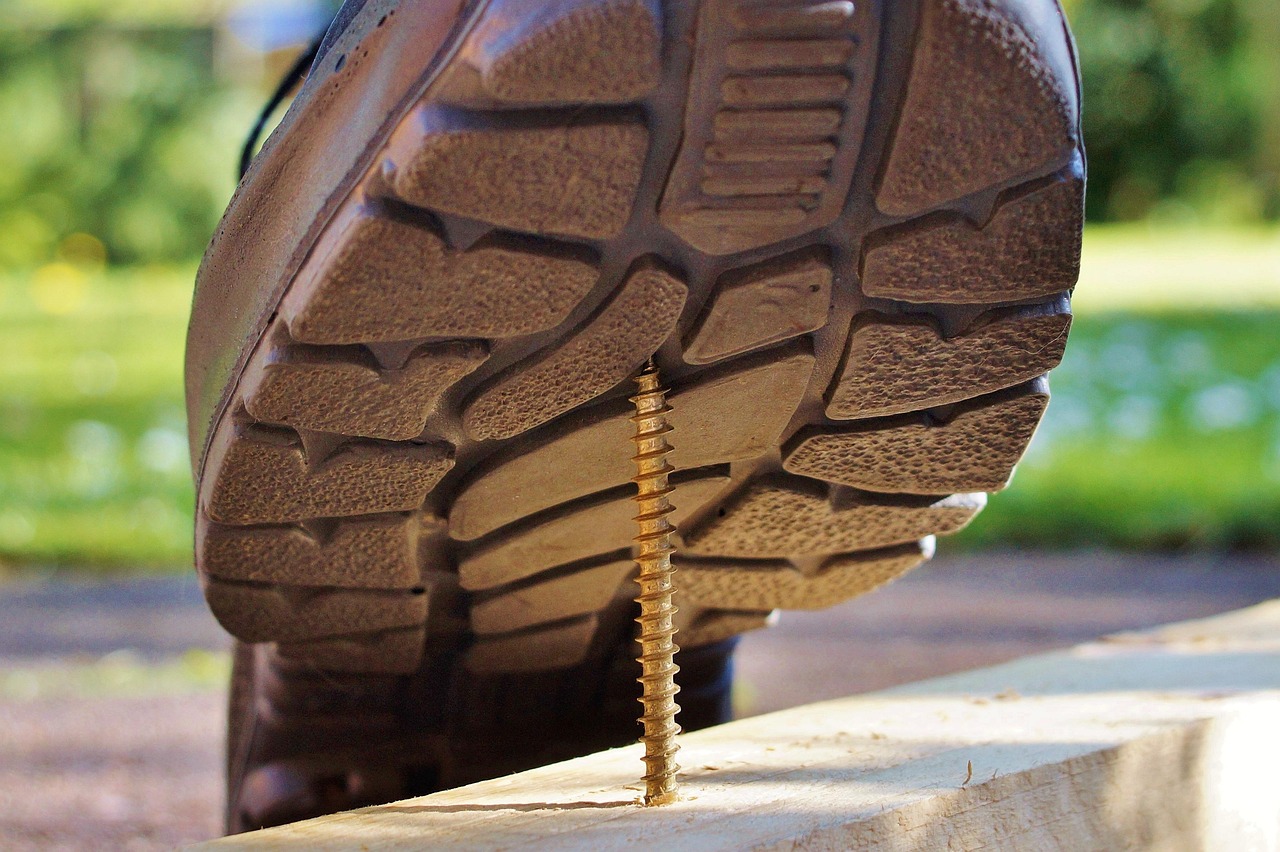
Choosing the right equipment can significantly reduce injury risks. Using improper footwear while running can lead to foot and joint injuries. Investing in well-fitted shoes designed for your activity level is non-negotiable. For weight training, ensure that weights are appropriate for your strength level to minimize the chance of injury caused by overload or awkward lifting positions.
In conclusion, addressing injury prevention myths can empower fitness enthusiasts to cultivate healthier habits. Prioritize understanding the facts about injuries and recovery. Incorporate essential practices like a proper warm-up, rest, form education, and personalized training. By doing this, individuals can significantly reduce their injury risks and enjoy longer, injury-free workouts, enhancing overall fitness experiences.