
Understanding the Gut-Weight Connection: A Comprehensive Guide
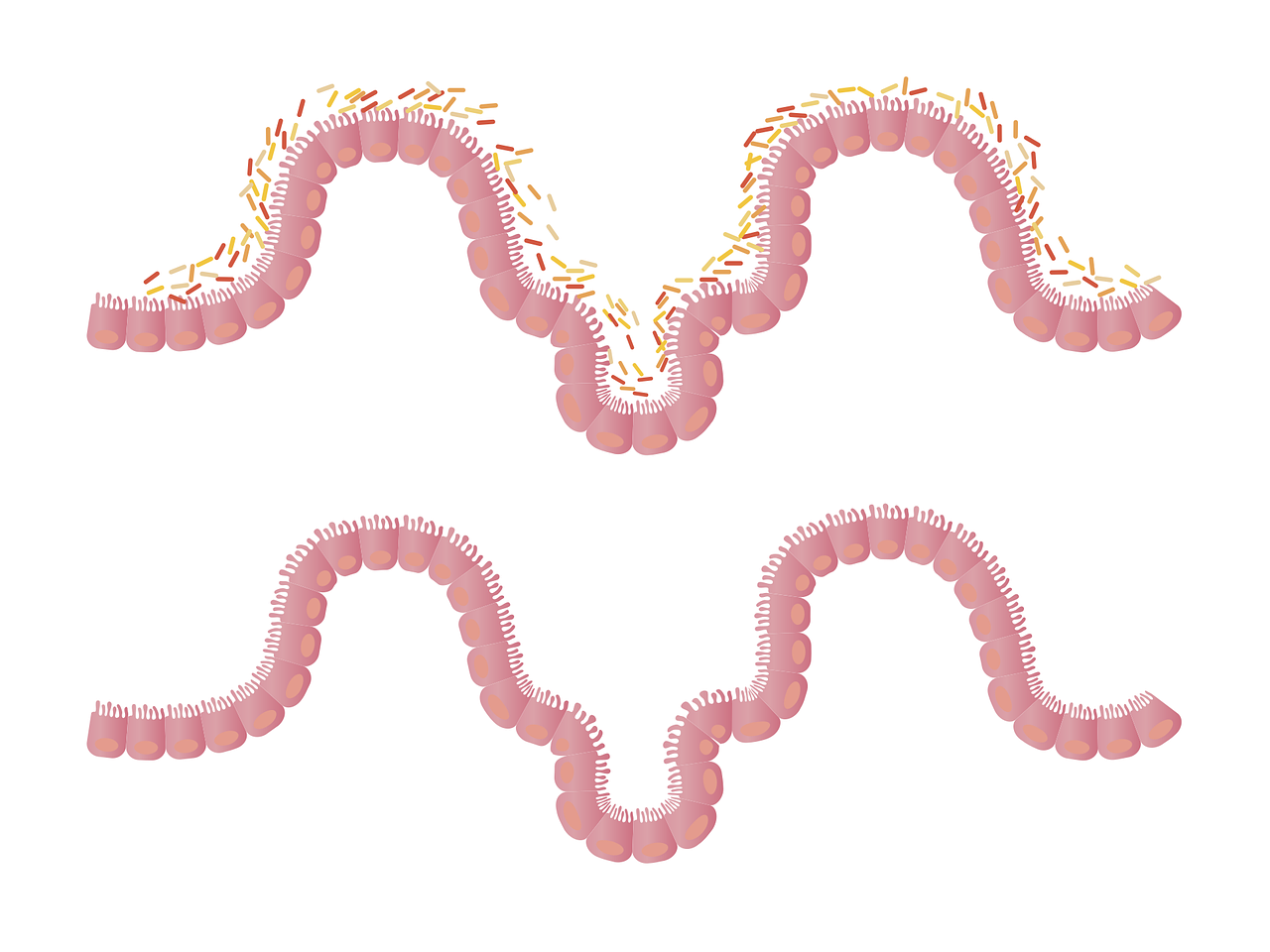
The gut microbiome plays a significant role in weight maintenance and overall health. A balanced gut fosters effective digestion and nutrient absorption, which are critical for maintaining a healthy weight. This microbial community consists of trillions of bacteria, fungi, and other microorganisms, all vital for digestive processes. Research indicates that an imbalance in these microorganisms can lead to metabolic disorders such as obesity. One major function of gut bacteria is to convert dietary fibers into short-chain fatty acids, affecting the body’s metabolism. Additionally, gut health influences the hormones that regulate appetite, creating a link between gut function and weight control. By nurturing gut health through a balanced diet, including prebiotics and probiotics, individuals can promote a favorable environment for these beneficial microbes. Foods rich in fiber, fermented foods, and diversified diets contribute to a well-rounded gut microbiome. Furthermore, regular physical activity can enhance the diversity and health of gut bacteria. This underscores the importance of understanding the gut-weight connection, enabling individuals to implement effective strategies for maintaining desired weight and overall well-being.
The Role of Diet in Gut Health
Diet plays a pivotal role in shaping gut health and consequently, weight management. A diverse diet rich in fruits, vegetables, whole grains, and legumes supports a healthy gut microbiome. These foods provide essential nutrients and fibers that feed beneficial bacteria, promoting their growth. Conversely, a diet high in processed foods, sugars, and unhealthy fats can disrupt the balance of gut bacteria, leading to increased inflammation and weight gain. Studies indicate that dietary fiber is particularly crucial in maintaining gut health. It acts as food for beneficial gut bacteria, which ferment it and produce short-chain fatty acids, leading to improved metabolism and appetite regulation. Additionally, incorporating fermented foods, like yogurt, kefir, and sauerkraut, increases the intake of probiotics. Probiotics are live beneficial bacteria that can restore and maintain gut balance when taken regularly. This combination of prebiotics and probiotics is essential for a thriving gut microbiome. Furthermore, maintaining hydration is crucial, as water helps in digestion and nutrient absorption. Thus, a conscious approach to dietary choices can significantly influence not only gut health but also weight management.
In addition to dietary choices, it’s important to consider the influence of stress on gut health and weight. Stress can have profound effects on the digestive system due to the gut-brain connection. When a person experiences stress, the body releases hormones like cortisol, which can alter gut function and microbiome composition. Increased cortisol levels can lead to cravings for unhealthy foods high in sugar and fat, which can disrupt weight maintenance efforts. Furthermore, stress can lead to changes in eating behaviors, such as emotional eating, which often results in excessive calorie intake. Mindfulness practices like meditation, yoga, and deep breathing can help reduce stress and promote a healthy gut environment. Engaging in regular physical activity also mitigates stress, further benefiting gut health. Exercise has been shown to increase the diversity and abundance of good bacteria in the gut, which supports weight control. Therefore, addressing stress through holistic approaches provides a pathway to improving overall well-being and supports efforts for effective weight management. Understanding how stress impacts the gut-weight connection allows individuals to develop comprehensive strategies to combat stress and maintain healthy weight.
Probiotic and Prebiotic Benefits
Utilizing probiotics and prebiotics effectively can significantly enhance gut health and facilitate weight maintenance. Probiotics are strains of live bacteria beneficial for gut health, while prebiotics, such as garlic, onions, and bananas, are fibers that support the growth of these beneficial bacteria. Regular intake of fermented foods that contain probiotics helps establish a diverse gut microbiome. Diverse microbiomes have been linked to better metabolic health, weight management, and lower inflammation levels. Studies suggest that certain probiotic strains can help reduce fat mass and improve metabolic markers such as blood sugar and cholesterol levels. Prebiotics play a complementary role by acting as nourishment that enables the beneficial bacteria to flourish and thrive. Incorporating both probiotics and prebiotics into the daily diet can thus optimize gut health. Furthermore, opting for foods rich in these nutrients, combined with a healthy lifestyle, can yield sustainable results in maintaining a healthy weight. It’s important for individuals to be mindful about what they consume and to consider regular intake of foods supporting gut health. This balanced approach lays the groundwork for improved well-being and effective weight management.
The gut’s influence on inflammation also cannot be understated when discussing weight maintenance. Chronic inflammation has been linked to various health issues, including obesity and metabolic syndrome. A well-functioning gut plays a critical role in regulating inflammation in the body. Certain beneficial gut bacteria produce compounds that help to reduce inflammation, while an imbalance can lead to increased inflammatory markers. This highlights the importance of maintaining gut health as a strategic approach to reducing inflammation-related weight issues. An anti-inflammatory diet, rich in antioxidants and omega-3 fatty acids, can further support gut health. Foods such as fatty fish, nuts, berries, and leafy greens contribute to lowering inflammation levels. Additionally, hydration and proper sleep also mitigate inflammation responses, supporting an optimal environment for gut bacteria. Together, these lifestyle factors create a holistic approach that promotes gut health and aids in maintaining healthy weight levels. Understanding the role of gut health in inflammation provides a valuable perspective for individuals seeking to improve their weight management strategies. This awareness encourages proactive choices that enhance physical health and emotional well-being.
The Impact of Lifestyle Choices
Lifestyle choices have a profound impact on gut health and, consequently, weight management efforts. Poor sleep patterns, sedentary behavior, and lack of physical activity are significant contributors to gut dysbiosis. Studies show that inadequate sleep can affect hormones regulating appetite, leading to increased hunger and ultimately potential weight gain. Likewise, a sedentary lifestyle diminishes gut mobility and can negatively impact metabolism. Incorporating regular physical activity, such as aerobic and strength-training exercises, supports gut health by enhancing bacterial diversity and promoting effective digestion. Moreover, prioritizing sleep hygiene contributes to overall health, as good quality sleep fosters hormone regulation and metabolic processes. Creating a balanced routine that incorporates adequate sleep, regular physical activity, and a healthy diet can create a ripple effect on gut health. This intentional lifestyle shift can promote the growth of beneficial gut bacteria and improve metabolic functions. Therefore, becoming mindful of lifestyle choices allows individuals to take ownership of their health and facilitates effective weight maintenance. Embracing these habits can ultimately lead to improved quality of life and enhanced well-being over time.
Moreover, the role of hydration in gut health and weight management cannot be overlooked. Water is essential for digestion, nutrient absorption, and the elimination of toxins. It helps to maintain mucosal lining in the gut, ensuring that it functions efficiently. When the body is adequately hydrated, it promotes optimal gut motility, preventing conditions like constipation that can arise from dehydration. Drinking enough water can facilitate smoother digestion, thereby contributing to the maintenance of a healthy weight. Furthermore, sometimes what feels like hunger is actually dehydration, leading to unnecessary calorie intake. Recognizing the importance of hydration encourages individuals to regularly drink water throughout the day, particularly before meals, to aid in appetite regulation. Incorporating herbal teas and infusions can also enhance hydration while providing additional health benefits. Emphasizing hydration is effective for supporting respiratory function and skin health as well. In conclusion, developing an awareness of the hydrating needs of the body is an essential component of a comprehensive strategy for maintaining gut health and managing weight.
Conclusion
In summary, understanding the gut-weight connection is vital for effective weight maintenance and overall health. The interplay between gut microbiota, diet, lifestyle choices, stress management, and hydration collectively influence weight management outcomes. By making conscious dietary choices favoring gut health, incorporating regular physical activity, managing stress levels, and prioritizing hydration, individuals can create a conducive environment for maintaining a healthy weight. A balanced gut microbiome supports efficient metabolism, appetite regulation, and reduced inflammation, all of which are crucial for effective weight management. Hence, acknowledging this connection empowers individuals to take proactive steps toward improving their health. Strategies like incorporating prebiotics and probiotics, following anti-inflammatory dietary patterns, and ensuring sufficient sleep contribute to optimal well-being. Moreover, recognizing the importance of hydration further complements these efforts and maintains balance. In essence, by addressing the various elements influencing gut health, individuals can enhance their success in weight maintenance. This comprehensive approach encourages long-lasting lifestyle changes that contribute positively to health outcomes, ultimately leading to a fulfilling and healthy life.