
Incorporating Sportsmanship in Youth Athletic Training Sessions
Fostering sportsmanship in youth sports is essential for developing both athletes and individuals. It helps instill key values such as respect, integrity, and fairness. Coaches are instrumental in teaching these values, as they set the tone during training sessions. It’s crucial to create an environment where young athletes can learn to appreciate the qualities of good sportsmanship. Team-building exercises can play a vital role in this regard. Emphasizing cooperation over competition fosters camaraderie among teammates, enabling them to support one another and celebrate successes together. Furthermore, teaching athletes to respect opponents contributes to a healthy attitude toward competition. Reminding children that their opponents are also working hard encourages empathy and understanding, which can promote overall respect in the sporting environment. Training sessions should also include discussions on what sportsmanship is and why it’s important. Highlighting examples from professional athletes can inspire youth. Moreover, rewarding positive behavior reinforces its value. Offering praise for acts of kindness and respect during training can motivate athletes to emulate these traits. In essence, by prioritizing sportsperson-like conduct, coaches can cultivate a strong foundation for responsible athletic behavior in young athletes.
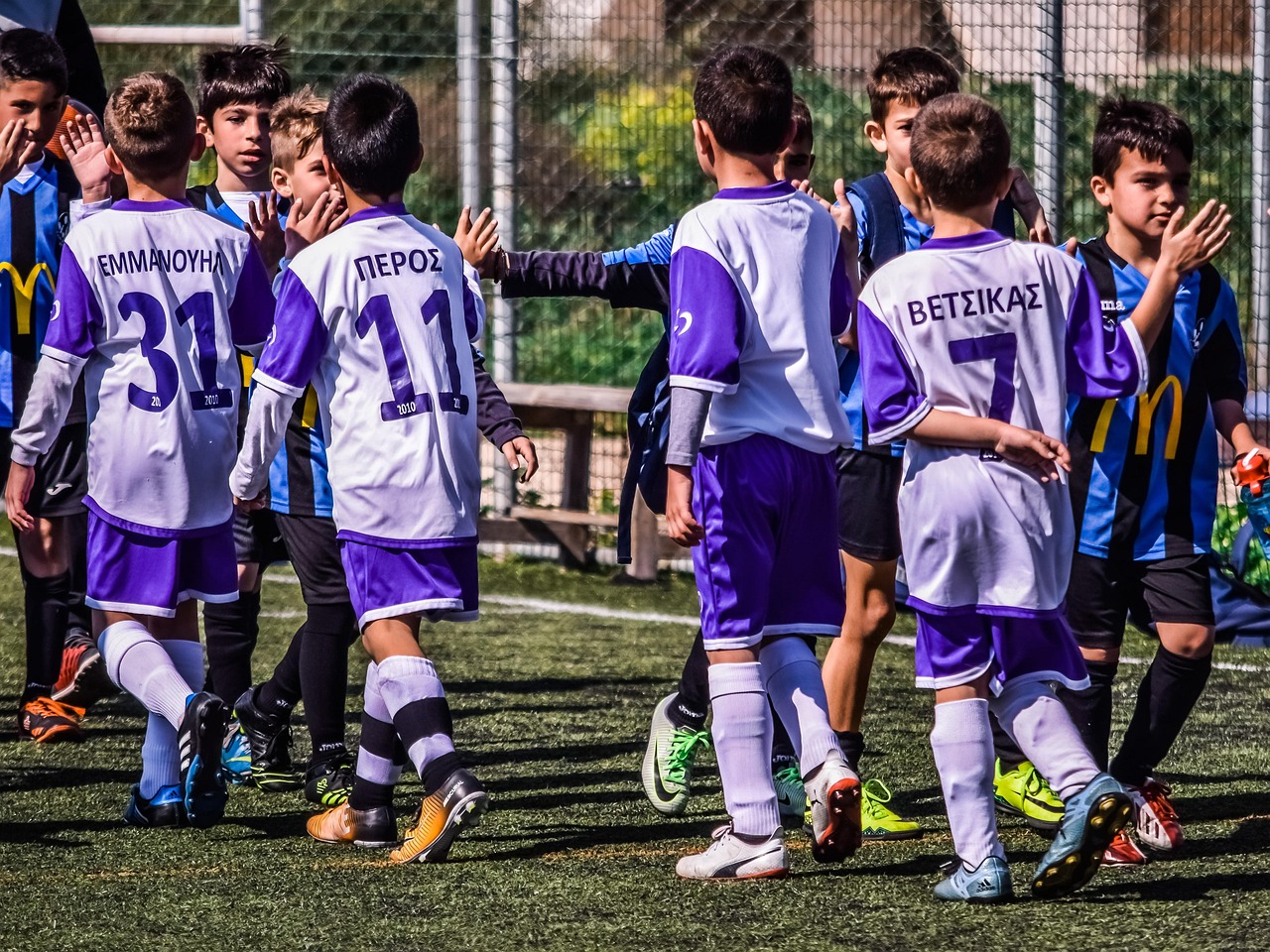
A well-structured youth athletic program should incorporate discussions dedicated to the principles of sportsmanship. This allows young athletes to actively engage and internalize these values during practices. Coaches might host discussions about key moments in youth sports history that exemplify exemplary sportsmanship. Incorporating role-playing exercises can also help illustrate appropriate responses to different scenarios in competitive settings. Such activities allow athletes to practice how to handle victories and defeats gracefully. For instance, offering a handshake to opponents after a game showcases respect regardless of the outcome. Emphasizing that sportsmanship is not only about winning but also about how one conducts oneself during competition is paramount. Coaches should set clear expectations about behavior in both practice and games. Encouraging young athletes to voice their experiences and thoughts surrounding sportsmanship can also encourage dialogue about its importance. This open communication fosters a culture of respect and accountability among team members. Creating a safe space where athletes feel comfortable sharing ideas helps everyone learn collectively. Additionally, parents can be involved in discussions about promoting sportsmanship, ensuring a comprehensive approach that reinforces these values both on and off the field.
The Role of Parents in Youth Sportsmanship
Parents play a crucial role in modeling sportsmanship behaviors for their children. Their actions and attitudes directly influence how young athletes perceive competition and teamwork. To reinforce positive behaviors during sports events, parents should demonstrate appropriate conduct regardless of the outcome of the game. Screaming or berating officials can create a negative environment that can affect athletes’ perceptions of sportsmanship. Instead, encouraging children to focus on their performance and support their teammates can cultivate a positive atmosphere. Parents can also discuss sportsmanship expectations before competitions, highlighting the importance of respecting coaches, teammates, opponents, and officials. For example, they can engage their children in conversations about how to be a gracious winner and a humble loser. Providing examples from their experiences can illustrate meaningful lessons. Listening to young athletes express their emotions surrounding competition allows for better discussion about handling various situations. Offering praise when children exemplify good sportsmanship reinforces these behaviors. Parents should cultivate an environment where discussions on sportsmanship are normalized, fostering an understanding that these principles extend beyond the field. Ultimately, the partnership between parents, coaches, and athletes creates a strong foundation for positive sportsmanship throughout youth athletics.
Incorporating sportsmanship into training sessions can also include crafting team-specific mottos or slogans that emphasize these values. Having a shared motto fosters unity among team members and reinforces the importance of sportsmanship. For instance, a team can adopt a motto that includes phrases like “Respect All, Fear None,” which encapsulates the inherent idea of treating even your fiercest competitors with respect. This slogan can be recited before practice or games to remind athletes of their commitment to sportsmanship. Additionally, using visual aids, such as posters displaying the definition of sportsmanship, can serve as constant reminders during training. Engaging in community service projects can further highlight the value of teamwork and support for one another, ultimately strengthening athletes’ understanding of sportsmanship. Collaborating on service initiatives can forge bonds among teammates, creating a sense of purpose beyond competition. Furthermore, organizing team-building retreats focused on sportsmanship can deepen relationships. Engaging in activities that require trust, communication, and collaboration helps participants better understand the importance of mutual respect. Overall, these strategies cultivate a sportsmanship mindset, integrating these critical values into the fabric of youth athletic training.
Benefits of Team-Minded Sportsmanship
There are many benefits derived from promoting sportsmanship within youth athletics. Team-minded sportsmanship enhances individual character while contributing to team cohesion. When young athletes learn to prioritize teamwork, they become more supportive of one another, fostering an environment where everyone feels valued and understood. This is essential in enabling young athletes to develop lifelong skills both in and outside sports. Learning to navigate victories and defeats with grace instills resilience and perseverance within participants. These qualities not only apply during competitions but also serve them well in their personal lives as they encounter various challenges. Additionally, positive sportsmanship encourages inclusivity within teams. Athletes are less likely to ostracize peers and are more inclined to support teammates striving for improvement. Moreover, these values nurture great lifelong friendships fortified by mutual respect and understanding. Ultimately, developing a sportsmanship ethos can lead to better athletic performance as athletes become more focused on teamwork than individual accolades. Coaches and parents alike should celebrate these accomplishments as they contribute significantly to the overall experience of youth sports. Through sportsmanship, young athletes enjoy a wholesome environment where growth and positive experiences flourish.
It is vital to remember that incorporating sportsmanship into training sessions is an ongoing process. Coaches should continuously review and adapt their approaches based on the team’s dynamics and individual needs. Regular feedback from athletes themselves is essential in creating a relevant discussion about sportsmanship. Encouraging them to share thoughts on what sportsmanship means to them can develop a more personalized understanding. Coaches can also organize regular workshops that focus on sportsmanship education, ensuring that young athletes understand the significance of these values. Providing them with tools to navigate tough competitive situations is invaluable, equipping them with the skills necessary for growth. Moreover, instilling a sense of accountability can significantly influence the development of sportsmanship. Assigning leaders within the team who exemplify strong sportsmanship can create role models for others. This peer-led approach can often have a more profound impact on promoting these behaviors. Furthermore, incorporating regular sportsmanship moments into practices—such as reflecting on positive behaviors observed in teammates throughout the week—can be beneficial. By fostering opportunities for recognition, young athletes begin to appreciate the importance of these values more and more over time, ensuring sportsmanship becomes part of their athletic identity.
Conclusion: Embracing Sportsmanship in Youth Athletics
To conclude, integrating sportsmanship into youth athletic training is essential for cultivating responsible athletes. Both coaches and parents carry unique responsibilities in shaping young athletes’ understanding of the importance of respect, integrity, and fairness. Encouraging open dialogues can lead to discussions that enhance their awareness of sportsmanship and its implications. Utilizing engaging methods—such as activities, team mottos, and community service—can strengthen the commitment to these values both on and off the field. The impact of learning positive sportsmanship extends beyond athletics into everyday life. Supporting young athletes through challenges and victories fosters resilience and teamwork, essential qualities in any field. Remember that the learning process is ongoing, and adapting strategies based on athlete feedback strengthens their understanding. Celebrating simple acts of kindness or teamwork reinforces the ideals of sportsmanship continuously. By doing so, athletes will not only perform better but also nurture a culture that champions respect for others, themselves, and the game they love. Ultimately, the commitment to incorporating sportsmanship into training sessions defines youth athletics and shapes well-rounded individuals prepared for future challenges.
Understanding the social impact of sportsmanship in youth athletics is crucial for encouraging lasting, positive experiences for young athletes. By cultivating a strong foundation anchored in trust, respect, and humility, athletes learn valuable life lessons through sports. Coaches who prioritize sportsmanship convey to their athletes that success is about more than competition and victories. Instead, it centers on developing moral character and strong interpersonal relationships. Encouraging athletes to reflect on their experiences after competitions helps them internalize the importance of sportsmanship. This process allows them to understand how they contribute to their team’s atmosphere and their self-development. As young athletes learn to appreciate the camaraderie that sports encourage, they begin to forge connections that can last a lifetime. Implementing sportsmanship-focused lessons creates a more inclusive atmosphere in the playing field, breaking down barriers among young athletes. An environment that promotes empathy and kindness can foster collaboration and understanding, regardless of differing backgrounds or skill levels. By prioritizing sportsmanship at all levels of youth athletics, coaches and parents can help equip young athletes with attributes essential for their future, both during competitions and throughout their lives.