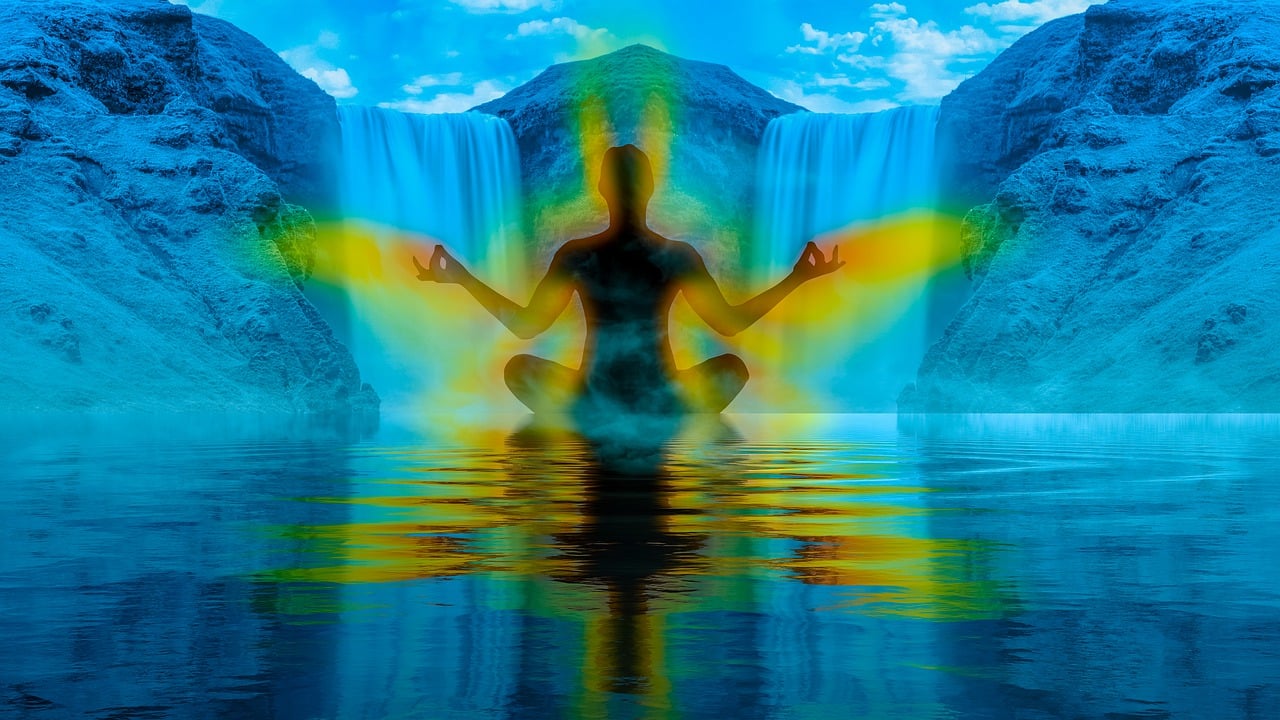

Mindfulness Meditation Techniques to Reduce Emotional Reactivity
Emotional reactivity can often lead to impulsive behavior and regrettable actions. Practicing mindfulness meditation can help individuals manage their emotional responses more effectively. Techniques such as focusing on the breath allow practitioners to cultivate a state of awareness, creating a buffer between stimulus and reaction. By observing thoughts without judgment, one can start to recognize patterns of emotional triggers. This recognition provides valuable insights and empowers individuals to take a pause before reacting. Integrating mindfulness meditation into daily routines fosters resilience, enabling better emotional regulation. With consistent practice, individuals may notice a decrease in reactivity and an increase in emotional stability. It is essential to establish a comfortable space for meditation, whether it’s a quiet room or a serene outdoor location. Regular mindfulness sessions, even if brief, can enhance overall well-being. Furthermore, leveraging guided meditation resources can provide structure and support. Many find value in meditation apps, which offer a variety of techniques tailored to emotional health. By committing time to this practice, individuals unlock the potential for profound inner peace and improved relationships.
One effective method is the “Body Scan” meditation, which encourages awareness of physical sensations. This practice involves lying comfortably while systematically focusing attention on various body parts. Beginning from the toes and progressing to the head, one becomes aware of tension and discomfort. This increased awareness promotes the recognition of how emotions manifest physically. When practitioners notice these physical sensations, they detach from automatic reactions. Such mindfulness fosters acceptance and compassion toward one’s feelings. This practice can be beneficial when facing overwhelming emotions, as it anchors individuals in the present moment. Rather than engaging in negative cycles of worry or fear, practitioners learn to respond thoughtfully. Additionally, using breath as an anchor creates a calming effect. Focusing on inhale/exhale provides stability. In cases of high emotional arousal, deep breathing can regulate the nervous system, leading to a reduction in reactivity. Research supports these practices, highlighting their effectiveness in reducing anxiety and promoting emotional resilience. Individuals are encouraged to explore various techniques to find what resonates most. Journaling about experiences post-meditation can provide clarity, further enhancing emotional health.
Benefits of Mindfulness Meditation
Mindfulness meditation offers numerous benefits that extend far beyond emotional reactivity. This practice encourages present-moment awareness, allowing individuals to observe their thoughts and feelings without judgment. Over time, this non-reactive stance cultivates emotional intelligence, promoting healthy responses to challenges. As individuals engage with mindfulness, they often report decreased stress levels, improved focus, and enhanced emotional balance. It can lead to increased self-awareness, enabling better personal relationships. By learning to respond thoughtfully rather than reactively, conflicts can be resolved more effectively. This, in turn, supports stronger connections with others. Furthermore, studies indicate that mindfulness practices positively affect physiological responses. Regular meditation can lower blood pressure and decrease heart rates. Some participants note changes in brain structure associated with heightened emotional regulation. So, the practice provides both mental and physical health benefits. Seeking group meditation sessions can also foster community support, enhancing motivation. Many find comfort in shared experiences and collective mindfulness, creating environments where emotional growth flourishes. By embracing these benefits, individuals embark on a transformative journey towards enhanced emotional health through consistent mindfulness meditation.
Incorporating mindfulness meditation into one’s daily routine doesn’t have to be overwhelming. Starting with just five to ten minutes each day is a manageable approach for beginners. This period allows individuals to develop a comfortable meditation practice without added pressure. Gradually extending the duration can enhance effectiveness and yield deeper insights. Selecting specific times, such as mornings or evenings, can promote consistency. Utilizing guided sessions can also ease the transition into meditation, providing clear instructions and support. There are numerous resources available, including apps and online platforms dedicated to mindfulness. Practitioners may explore different techniques to discover what resonates most. Some might prefer visualizations or loving-kindness meditation, which focuses on cultivating compassion. Others may find solace in silent meditation, allowing thoughts to come and go freely. No matter the chosen method, the goal remains the same: enhancing emotional health and reducing reactivity. Additionally, exploring meditation retreats can deepen understanding and commitment to the practice. Immersive experiences may offer transformative insights that lead to lasting changes in emotional responses and overall well-being.
Overcoming Barriers to Meditation
Despite the numerous benefits of mindfulness meditation, individuals may face barriers preventing consistent practice. One common challenge is time; in today’s fast-paced world, finding quiet moments can seem impossible. To overcome this, individuals can incorporate mindfulness into existing activities. For instance, focusing on breath during daily chores provides an opportunity for informal meditation. Another barrier is the misconception that meditation must be done perfectly or for extended periods. In reality, there is no right or wrong way to meditate. Each individual’s practice is unique, and the key lies in finding what feels comfortable. Developing a compassionate mindset toward one’s meditation journey is crucial as well. Frustration may arise, especially in the early phases, but it’s essential to embrace these feelings and allow them to pass. Additionally, distractions such as intrusive thoughts might deter focus during meditation. Recognizing that this happens to everyone can ease feelings of inadequacy. Accepting these moments without judgment leads to a more productive practice over time. With patience and dedication, individuals can develop a sustainable mindfulness meditation practice that nurtures emotional health.
Participants often report that mindfulness meditation improves emotional resilience, enhancing their ability to cope with stress. Understanding that emotions are transient allows practitioners to observe feelings without becoming overwhelmed. This perspective empowers individuals to respond with clarity rather than react impulsively. Practicing skills like gratitude can complement mindfulness meditation, further fostering emotional stability. Gratitude practices remind individuals of their blessings and positive experiences, contributing to overall well-being. Journaling thoughts and feelings can incorporate both mindfulness and gratitude exercises effectively. This combination can elevate emotional awareness, revealing patterns in feelings and reactions, helping individuals process experiences more fully. Furthermore, sharing experiences with friends and trusted individuals can forge supportive networks. Open discussions about emotional struggles can pave the way for vulnerability and healing. By normalizing these conversations, barriers surrounding emotional health can diminish. Psychological research underscores the importance of emotional expression in maintaining mental health. Individuals engaging in these practices notice improved relationships and a more profound sense of fulfillment. Over time, practitioners become adept at managing emotions and navigating life’s challenges. Thus, mindfulness meditation becomes a valuable tool in nurturing emotional health and reducing reactivity.
Conclusion
In conclusion, mindfulness meditation serves as a powerful ally in reducing emotional reactivity and promoting emotional health. Practicing techniques such as breath awareness, body scans, and gratitude exercises fosters resilience. By integrating mindfulness into daily life, individuals cultivate awareness and compassion towards their emotions. Each small step towards consistency enhances emotional stability and overall well-being. Overcoming barriers, such as time constraints and misconceptions about meditation, can unlock profound growth and change. Embracing a unique meditation journey tailored to individual needs amplifies the benefits. By understanding that emotions are transient and can be managed, practitioners enhance their ability to respond thoughtfully in challenging situations. Sharing insights with others further reinforces community support, fostering connections. As the journey unfolds, individuals will likely notice transformations in their emotional landscape and relationships. With patience and practice, mindfulness meditation can become an indispensable tool for navigating life’s complexities. Encourage a commitment to exploring various techniques and remain open to discovering newfound methods. Ultimately, the benefits of meditation extend into everyday experiences, allowing for a more fulfilling and balanced approach to emotional health and well-being.
Engaging in mindfulness meditation provides tangible improvements in emotional health.