
Emerging Trends in Recovery Wearables for Fitness Enthusiasts
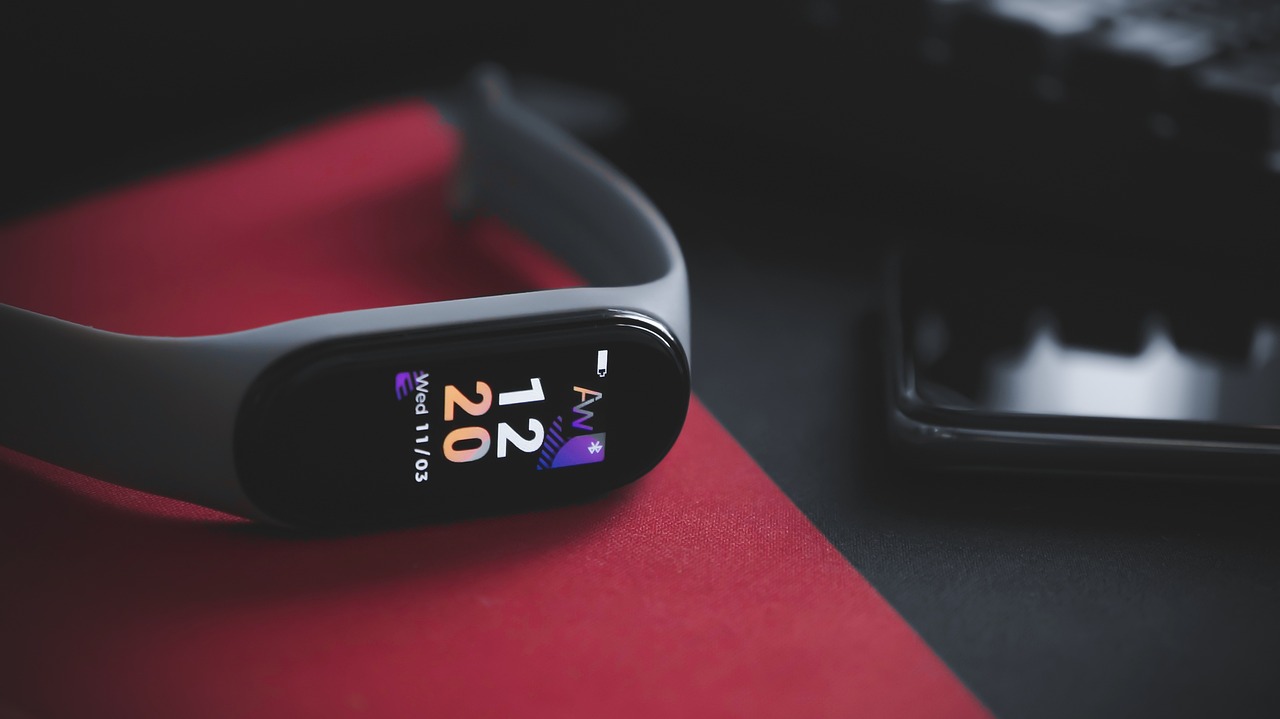
The fitness industry is experiencing a significant transformation with the introduction of recovery wearables designed specifically for fitness enthusiasts. These innovative devices not only cater to immediate recovery needs but also collect valuable data on overall health and performance. This trend is increasingly prevalent as awareness grows regarding the importance of recovery in maximizing workout benefits. Different types of wearables are entering the market, including compression garments, EMF (electromagnetic field) therapy devices, and smart fabrics that respond to muscle fatigue. Among the leading technology companies, brands like WHOOP and Oura Ring have enhanced their offerings to focus on wearables that integrate recovery insights with performance metrics. As consumers become more health-conscious, they are seeking products that offer both functionality and style. These trends reflect a broader commitment by many individuals to prioritize recovery alongside their training schedules, thereby improving their overall health. Fitness enthusiasts are thus turning towards scientifically-backed technologies that facilitate faster recovery, reduce injury risks, and enhance performance. Looking forward, these trends are set to evolve significantly, catering to the ever-growing market of health-centric consumers.
One of the most exciting aspects of recovery wearables is their ability to monitor vital signs continuously. Innovations in biosensors now allow for non-invasive methods of tracking metrics such as heart rate variability, respiratory rate, and skin temperature through wearable devices. These insights can reveal the body’s recovery state, indicating when it’s time to push further or ease off. This real-time feedback enables users to customize their training sessions and manage fatigue proactively. For instance, wearables can notify users of elevated stress levels or insufficient recovery, prompting them to take necessary actions. Furthermore, many devices now provide integrated recovery protocols based on collected data, offering the user tailored strategies, such as optimal sleep patterns and hydration levels. This informative approach empowers fitness enthusiasts to take charge of their recovery journeys with confidence, leading to improved performance outcomes. In addition to recovery metrics, wearables are increasingly adopting user-friendly designs and interfaces, making them more appealing for everyday use. Robust mobile applications linked to these wearables offer comprehensive insights that users can readily access anytime, helping them remain accountable for their recovery.
Smart Fabrics and Compression Gear
The rise of smart fabrics in recovery wearables is another key trend gaining traction. These materials feature embedded technologies that can monitor and respond to muscle activity during and after workouts. For instance, garments constructed from these smart fabrics can deliver gentle vibrations or compressive support to sore muscles to enhance recovery. This functionality helps in reducing soreness and muscle fatigue after intense exercises. Companies like Athos have developed clothing that measures muscle engagement and provides feedback through connected apps. This capability not only aids in recovery but also enhances training effectiveness by allowing users to assess their workout intensity. Wearable compression gear is also evolving with advancements in technology; having the ability to assess the wearer’s recovery and performance levels becomes critical in a competitive fitness landscape. These innovations serve to integrate comfort and functionality, appealing to fitness enthusiasts interested in cutting-edge solutions. Furthermore, as the technology becomes more mainstream, consumers can expect a broader range of stylish options tailored to fit various personal aesthetics while maintaining performance. The emphasis on aesthetics alongside functionality ensures a larger market reach for these innovative wearables.
Another trend is the integration of gamification features within recovery wearables. This novel approach combines fitness with play, motivating users to persistently engage with their recovery processes. Fitness enthusiasts are offered incentives, such as rewards, challenges, and achievements, to encourage adherence to recovery routines. Gamification transforms what might be tedious or overlooked into engaging experiences. By integrating these elements, wearables can foster a sense of community amongst users, leading to shared motivations and experiences. Fitness brands employing this strategy are witnessing enhanced user retention and satisfaction rates, showcasing the power of enjoyment in fitness. Additionally, many recovery wearable brands are collaborating with fitness apps to further enhance engagement. These partnerships facilitate the creation of social challenges, allowing users to compete against friends or meet community goals, making recovery a shared experience rather than a solitary task. Through collaborative efforts, individuals can support one another in their recovery journeys, enhancing motivation and fostering commitment. This collaborative and fun-centric approach is likely to change how recovery practices are perceived within the fitness community, transitioning from a chore to an integral part of the fitness lifestyle.
Personalization of Recovery Tech
The personalization aspect of recovery wearables has gained substantial momentum. As technology becomes more sophisticated, models designed with machine learning algorithms are predicting user recovery patterns much more effectively. With tailored insights and recommendations, these devices can adjust their suggestions based on individual user data. This facet of personalization allows wearables to evolve from generic devices to uniquely adaptive recovery companions, offering strategies built around the user’s individual requirements and preferences. Moreover, platforms are now providing tailored workout regimes, nutrition advice, and recovery recommendations tailored to specific fitness goals. Users can optimize their physical conditions invested with data that resonates with their personal experiences and responses. This data-driven approach is contributing significantly to user performance metrics, ensuring their workouts yield maximum results. Additionally, as cloud-based solutions develop, users can share their fitness and recovery data with health and wellness professionals, enhancing the support system around them. This interaction not only provides deeper insights into training processes but also leverages professional expertise to heighten recovery effectiveness. Consequently, combining personalized tech with expert input establishes a more holistic approach to recovery practices in the fitness realm.
The increasing competition among brands is leading to rapid advancements in the functionality of recovery wearables. More companies are exploring the possibilities of integrating multiple technologies into a single wearable device. For example, recovery wearables now frequently combine features like heat regulation, vibrational therapy, and biofeedback. Such multi-functionality caters to diverse recovery needs, offering a comprehensive solution for fitness enthusiasts seeking ultimate convenience. This trend not only enhances user experience but also attracts a wider audience to the wearables market. Emerging technologies, including AI and AR, present new opportunities to enhance the effectiveness of recovery devices. Wearables that utilize augmented reality may provide real-time visual feedback on performance, giving users unprecedented insights into their recovery processes. This integration of immersive technologies fosters a more interactive user experience. As competition becomes more intense, fitness brands are increasingly investing in research and development to create smarter, more advanced wearables. This climate of innovation is pushing the envelope, providing consumers with exciting options that not only meet recovery needs but do so with a level of personalization and sophistication previously unseen in the fitness landscape.
The Role of Community in Recovery
As recovery practices evolve, the role of connected communities in fitness is becoming paramount. With many individuals sharing their fitness journeys on social platforms, the community aspect encourages accountability and motivation among users. Recovery wearables linked through apps foster these communities, enabling users to share insights, progress, and challenges related to recovery efforts. Access to peer support greatly enhances motivation. Many recovery devices now feature forums and chat functions that allow users to engage with one another and share their experiences, strategies, and successes. This supportive environment drives commitment and persistence, which are crucial for achieving fitness goals. Moreover, community-driven challenges encourage a collective striving toward recovery benchmarks, creating motivation through shared experiences. Brands are recognizing the potential of building communities around their products, creating platforms for inspires growth and learning. By fostering such communities, brands enhance user experiences and provide arrays of additional resources to support users throughout their recovery journeys. Emphasizing community involvement within recovery practices highlights the shared human experience, evolving fitness culture in a way that is both inclusive and supportive.
Final thoughts on recovery wearables encompass recognizing their evolving role in fitness. Recovery wearables are transforming the traditional perceptions of recovery, reframing them as vital components of a well-rounded fitness regimen. By harnessing advances in technology, these devices provide insights and solutions that are tailored for today’s fitness enthusiasts. As more individuals embrace a holistic approach to fitness, integrating recovery as part of their routines becomes paramount. Reliability and accuracy in recovery insights can significantly enhance performance outcomes, facilitating a more efficient training process. Furthermore, understanding user needs can help brands innovate products that better serve the community’s desires. The future landscape of fitness will likely see a stronger emphasis on technology-driven recovery strategies, pushing individuals to prioritize recovery in their routines. Furthermore, as education around recovery practices expands, we can expect growing interest in recovery wearables as essential tools for those looking to enhance their fitness journeys. These trends will continue evolving, reshaping our understanding of what it means to be fit and healthy while offering the insights and support required for achieving excellence in recovery practices.