
Understanding Balance and Coordination: A Beginner’s Guide
Balance and coordination are fundamental components of physical fitness deeply intertwined with our daily activities. These skills not only impact athletic performance but also influence overall well-being and mobility. To grasp how balance and coordination function, it’s vital to appreciate how they interrelate. Balance involves maintaining a stable center of gravity over our base of support, while coordination is the smooth execution of movements involving different body parts. Together, they form the foundation for complex tasks like dancing, sports, and even walking. Improving balance and coordination can enhance engageability and safety while performing various activities.
Understanding the significance of these skills is critical. Balance aids in preventing falls, particularly among seniors, and coordination ensures that movements performed are seamless and free of strain. There are several effective methods to improve balance and coordination, ranging from specific exercises to mindfulness practices. Engaging in activities such as yoga can bolster stability and body awareness. Additionally, games encouraging rapid movement enhance coordination skills. People of all ages and abilities can benefit from practicing these techniques, thereby enriching their life quality. If you wish to explore exercises tailored to enhancing these skills, consult resources or professionals specializing in fitness.
The Science Behind Balance and Coordination
The science behind balance and coordination involves intricate bodily systems working in harmony. The inner ear houses the vestibular system, essential for maintaining balance. This system continuously sends information regarding head position and movement to the brain, essential for adjusting posture and movement. Vision also plays a critical role; your eyes help keep track of surroundings and maintain equilibrium. Proprioception, the body’s ability to perceive its position, further aids balance and coordination, especially when visual cues are limited. This combination allows the body to function effectively in various environments, whether walking on uneven surfaces or performing complex athletic maneuvers.
There are numerous activities designed to improve balance and coordination, catering to different skill levels. Simple exercises like standing on one foot enhance stability, while more advanced activities like martial arts or team sports challenge and develop coordination. Integrating balance and coordination drills into your workout can make routine exercises more engaging and beneficial. A well-rounded fitness program incorporating both strength training and aerobic exercise also supports these skills. Moreover, seeking guidance from a professional trainer or physical therapist can provide tailored strategies and ensure exercises are performed safely and effectively, especially for those recovering from injuries.
Exercises to Enhance Balance and Coordination
Incorporating dedicated exercises targeting balance and coordination is crucial for improvement. Here are a few exercises worth trying:
- Single-Leg Stands: Stand on one leg for as long as possible, switching sides.
- Heel-to-Toe Walk: Walk in a straight line by placing your heel directly in front of your toes.
- Bosu Ball Balance: Use a Bosu ball to safely practice balance and stability.
- Yoga or Tai Chi: Both promote balance while offering flexibility and strength benefits.
Consistent practice of these exercises can lead to marked improvement over time, enriching daily activities.
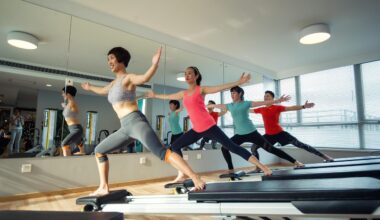
To gain even more benefits, consider incorporating balance and coordination challenges into your daily routine. Activities like dancing, rock climbing, or even Pilates nurture these essential skills while keeping fitness fun and engaging. Some everyday tasks can also serve as opportunities for strengthening balance; for instance, reaching for objects on shelves or walking on different surfaces requires stable movement patterns. Emphasizing these skills in life serves to not just enhance athletic performance, but overall quality of life. So, don’t underestimate the power of balance and coordination in everyday tasks and activities; they are vital tools in maintaining an active lifestyle.
Building a Balanced Routine
Creating a well-balanced fitness routine is essential for cultivating balance and coordination skills. Aim for a blend of strength training, cardio, flexibility, and skill-based exercises. This approach fosters a fuller physical experience while preventing monotony. Set realistic goals, whether improving your ability to balance on a skateboard or simply navigating stairs without hesitation. Track your progress to stay motivated and adjust routines as needed. Engaging friends in your journey can make improvement more enjoyable and create a support system. Celebrating small milestones can also motivate yourself on the path to enhanced stability and coordination.
In conclusion, understanding balance and coordination significantly enhances physical capabilities and promotes health and safety. Regular practice through various engaging methods not only builds these essential skills but enriches everyday life. As individuals embark on their path of improvement, continuously evaluate progress while remaining open to learning new techniques and practices. Embracing the journey of enhancing balance and coordination ultimately contributes to longevity and enriching diverse aspects of life. Whether it’s through mindful exercises, recreational activities, or simple tasks, dedicating time to improve these fundamental skills is an investment in well-being. Keep moving forward and enjoy the gains from improved balance and coordination!