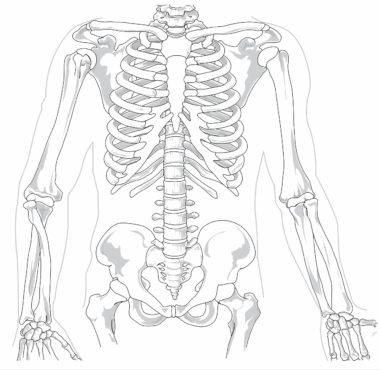

How Regular Walking Benefits Spinal Health and Posture
Regular walking serves various health benefits, significantly aiding spinal health and posture maintenance. By integrating walking into one’s daily routine, individuals can counteract sedentary lifestyles that lead to poor posture and spinal issues. An upright posture greatly influences overall health; it alleviates pressure on the spine and reduces strain on muscles. Engaging in consistent walking helps maintain the natural curve of the spine, which is crucial for preventing long-term pain. Additionally, walking encourages the body to adapt better to posture changes, promoting healthier alignment in daily activities. It is essential to note that even short walks can bring considerable benefits to posture and spinal health. Such exercises stimulate the spinal muscles, leading to improved strength and endurance over time. By setting aside time for a simple walk, one can be proactive in developing better posture and a healthier spine. Thus, walking serves as a valuable and straightforward practice for people of all ages, ensuring a lifetime of mobility and well-being. Incorporating walking as a regular activity can also positively influence mental health, making physical wellness more accessible to everyone. Make walking part of your routine to reap these benefits.
Effects of Walking on Muscle Strength
One of the profound benefits of walking is the enhancement of muscle strength, particularly in the core and back muscles. These muscle groups play a pivotal role in supporting the spine and maintaining proper posture. Stronger muscles help stabilize the body, which reduces the risk of injuries associated with poor posture. Walking activates various muscle groups, enabling a balanced workout that fosters muscle growth and endurance. As the spine becomes supported by stronger muscles, individuals can engage in daily activities with more confidence and reduced discomfort. Moreover, the pressure walking places on the spine promotes healthy intervertebral discs, assisting in reducing the risk of issues like herniated discs. This improved muscular strength from walking leads to enhanced stability, promoting a robust posture alignment, whether standing or sitting. Additionally, incorporating walking onto your routine aids in muscle coordination, which is essential for maintaining an upright posture consistently. Proper coordination ensures muscles work in a synchronized manner, reducing fatigue. Therefore, emphasizing the importance of committing to regular walking can significantly impact long-term spinal health and posture, highlighting a simple yet effective means to strengthen critical muscle groups.
Walking is a low-impact exercise ideal for individuals of all fitness levels, promoting optimal spinal health. Unlike high-impact workouts, walking minimizes stress on joints while still providing substantial health benefits. Regular walking sessions can enhance spinal alignment, helping to correct postural imbalances over time. In a world where many people spend excessive hours sitting, walking allows for decompression of the spine, alleviating any undue pressure it may experience. As one walks, the gravitational forces acting on the body help realign vertebrae, which can lead to improved posture. Further, incorporating stretches and mindful movements while walking can amplify these benefits, offering greater mobility. To maximize spinal health, it’s vital to pay attention to one’s walking posture, maintaining an upright position and engaging core muscles effectively. Walking can be combined with other activities, such as stretching or yoga, to enhance the overall experience and promote flexibility. This combination reduces stiffness and encourages improved posture as the spine is encouraged to stay elongated and aligned. Thus, prioritizing regular walking contributes positively to spinal health and position correction, leading to a more fulfilling and pain-free life.
The Importance of Consistency
Consistency is crucial to experiencing the full benefits of walking for spinal health and posture. Establishing regular walking habits fosters the progressive strengthening of muscles surrounding the spine, leading to more substantial and sustainable results. To obtain lasting benefits, consider setting achievable daily walking goals that align with your lifestyle. Whether it’s a 10-minute walk during lunch or a longer session on weekends, each step helps promote better posture. Over time, regular walking can lead to better awareness of body alignment, positively impacting daily activities. The body begins to adapt to this newfound awareness, causing a gradual improvement in posture. Individuals may notice less strain and discomfort as they become accustomed to maintaining better alignment during other activities, such as sitting or standing. Joining walking groups or tracking daily steps can further enhance motivation and encourage accountability. Community engagement helps create a support system devoted to fostering healthy movements. Elevating walking from a casual activity to a habit empowers individuals, transforming their relationship with health and wellness. By transforming walking into a consistent practice, one can effortlessly improve spinal health and posture over time.
Incorporating proper footwear is essential when walking to ensure optimal spinal health and posture benefits. Supportive shoes can profoundly influence how the body interacts with the ground, impacting overall alignment and comfort. Choosing the right footwear reduces the risk of injuries caused by improper alignment during daily walks. Footwear that offers adequate arch support and cushioning allows for more comfortable strides and decreases strain on the feet, ankles, knees, and ultimately, the spine. Unsupported or improperly fitted shoes can propagate poor posture and lead to spinal abnormalities over time. Therefore, taking the time to invest in a quality pair of walking shoes is pivotal for long-term health. Additionally, equal attention should be given to the walking surface. Engaging in walks on uneven terrains can challenge balance and stability, improving overall core strength. Conversely, consistent walking on smooth, soft surfaces can be a more therapeutic experience for the spine. Pair your walking routine with mindful breathing techniques to further enhance connection with the body. This holistic approach can contribute to both physical and mental well-being, reinforcing the numerous benefits accrued from regular outdoor walking.
Mindfulness During Walking
Integrating mindfulness into walking practices significantly elevates the experience and accentuates the benefits for spinal health. Walking with awareness provides an opportunity to engage with the body’s dynamic movements, from alignment to posture. By concentrating on the breath and rhythmic strides, individuals cultivate an intimate connection with their bodies. Mindfulness practices can reduce stress and promote relaxation, contributing to better posture overall. Reduced tension often leads to a more natural spinal alignment as the body sheds unnecessary stresses that may distort posture. During mindful walking, become aware of bodily sensations and adjust patterns that may contribute to discomfort. Focus on maintaining a long, straight spine and relaxed shoulders, which can dramatically influence overall posture. It can also be beneficial to incorporate visualizations while walking, imagining the spine lengthening and aligning with each step. This proactive focus invites a strong sense of presence, which can translate to improved posture even when not engaged in walking. Embracing mindfulness while walking introduces an inner awareness, leaning towards better health which unavoidably benefits spine and posture maintenance for all. Thus, the practice offers a profound opportunity for holistic well-being.
In conclusion, the integration of walking into daily life serves as a powerful tool for enhancing spinal health and correcting posture. Establishing consistent walking habits dramatically contributes to stronger muscles and improved alignment, reducing discomfort in daily life. Moreover, walking promotes a better understanding of body awareness, which is pivotal for maintaining proper posture. It is essential to consider factors like supportive footwear and mindful practices while walking to maximize the experience. Whether for physical or mental rejuvenation, the benefits of walking extend across numerous domains, bridging the mind-body connection. As more individuals embrace walking, they cultivate healthier lifestyles that prioritize spinal health. Therefore, incorporating walking into daily routines isn’t just beneficial; it’s essential for maintaining mobility and well-being into old age. Whether it’s short strolls or brisk hikes, every effort counts towards a healthier spine. Encourage friends and family to join in on walking adventures, creating a community dedicated to wellness. The journey toward improved posture and spinal health is a collective, aiming to provide lasting benefits for everyone. Engage in the simple act of walking to foster a more active and healthy lifestyle, thus nurturing the body, mind, and spirit.
This brings us to the significant realization that walking is not merely an exercise but a foundational practice essential for maintaining vital spinal health and correct posture throughout life. Establishing a rewarding walking habit is among the simplest yet most impactful shifts one can make towards a healthier future. Individuals looking to improve their health should consider scheduling regular walks into their routines, regardless of age or fitness level. Embracing this practice can transform one’s outlook, imbuing life with enhanced vitality and resilience. Over time, it’s essential to gauge personal progress and celebrate accomplishments, as even small achievements contribute meaningfully to overall health. Remember that every step counts, and the rewards extend beyond just physical well-being. As individuals walk, they are also forging connections with their bodies and the world around them, making the journey incredibly enriching. Encourage creativity by exploring new routes and settings to keep the practice engaging and fresh. Ultimately, the endeavor to walk regularly promotes not only spinal health and posture but also a deeper appreciation for mobility and the freedom it offers, leading to a fulfilling and vibrant life. Take a step today towards better spinal health and posture!