
Stretching to Improve Posture for Better Marathon Running Efficiency
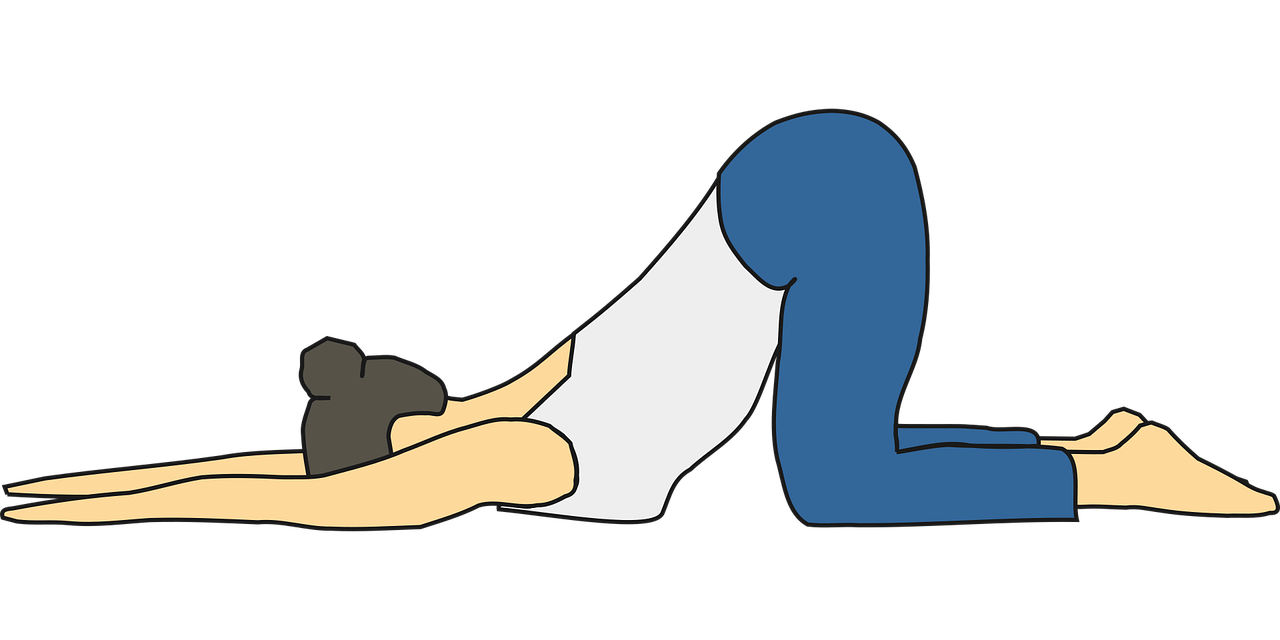
For marathon runners, maintaining proper posture is crucial to achieving optimal performance and preventing injuries. This necessitates incorporating effective stretching routines into their training. Stretching not only enhances flexibility but also helps improve body alignment during running. Improved posture reduces the risk of overuse injuries and enhances breathing efficiency. Some effective stretches include the hip flexor stretch, hamstring stretch, and quadriceps stretch that focus on key muscle groups. Incorporating these stretches can provide marathoners with an additional edge in their overall training program, allowing for better body mechanics. Before engaging in running or intense workouts, marathoners should spend time warming up and stretching the specific muscles they plan to use. A well-structured stretching routine prepares muscles for the intensity that running demands. Furthermore, stretching after running can speed up recovery and avoid stiffness. The combination of dynamic and static stretching is ideal for maximizing benefits. Dynamic stretches prepare the body for activity while static stretches promote flexibility after workouts. Consistency in performing these stretches will lead to substantial improvements in running efficiency and overall performance. Marathoners should consult with a coach or physical therapist to develop a personalized routine.
One of the essential components of a successful stretching routine is timing, as it can significantly influence overall benefits. Marathon runners should incorporate stretching before and after their runs. Pre-run stretches are crucial for warming up the body and promoting blood flow to muscles. It’s best to include dynamic stretches like leg swings, walking lunges, and high knees before heading out for a run. These stretches activate the muscle groups that will be engaged during running. Post-run stretches allow the body to cool down and help alleviate muscle tightness. Incorporating static stretches such as the seated forward bend, standing calf stretch, and butterfly stretch can enhance flexibility for future runs. Additionally, marathoners should pay special attention to their form while stretching, ensuring that they hold stretches for at least 15-30 seconds. This duration is vital for the muscles to respond positively to the stretches and adapt effectively. Listening to the body is equally important; runners should avoid pushing themselves too hard, as this can lead to strain and injury. A gradual approach to stretching will ensure progress without jeopardizing health and performance.
Key Stretches for Marathoners
Specific stretches can make a significant difference for marathon runners looking to enhance their performance and maintain good posture. The hip flexor stretch is particularly beneficial, as tight hip flexors can hinder proper running form. To perform this stretch, start by kneeling on one knee with the other foot in front. This position opens up the hips effectively. Furthermore, the hamstring stretch is essential for promoting flexibility in the back of the legs. It can be accomplished while seated or standing, leaning forward carefully until a stretch is felt in the back of the legs. Additionally, the quadriceps stretch ensures the muscles in the front of the thigh are warmed up. This can be easily achieved by standing upright, bending one knee, and holding the foot against the glute. Each of these stretches should be performed in a slow, controlled manner, holding each position for approximately 20-30 seconds. To maximize their effectiveness, marathoners should integrate these stretches consistently into their routines. By developing a flexible and well-balanced body, runners can improve their overall posture and efficiency.
Incorporating yoga into a marathon training regime can yield significant benefits for posture and flexibility. Various yoga poses target the body’s major muscle groups required for running. For instance, doing poses such as Downward Dog or Pigeon Pose stretches the hips, hamstrings, and calves. Techniques learned during yoga can improve body awareness, which is crucial for maintaining proper posture while running. Moreover, yoga teaches controlled breathing techniques that can enhance stamina and oxygen intake during long runs. Regular yoga practice can help marathoners develop mental clarity, focus, and stress relief, which are vital during races. Establishing a separate yoga schedule can be beneficial. Runners may choose to attend a weekly yoga class or follow along with online tutorials at home. This creates a balanced approach between running and other forms of workouts. While yoga may not replace traditional stretching routines, it serves as an excellent supplement. Combining traditional stretches with yoga can promote overall flexibility and strength in the hips and core. As a result, marathon runners will be better equipped to face the physical demands of their sport.
Role of Strength Training
In addition to stretching, strength training plays a critical role in improving posture for marathon runners. Strengthening the core, glutes, and back muscles creates a solid foundation for efficient running mechanics. A strong core enhances balance and stability, which are essential during long races. Glute strength specifically helps reduce the risk of injuries and promotes optimal running form. Incorporating exercises such as squats, lunges, and deadlifts can significantly benefit marathon runners. Resistance bands and bodyweight exercises are also effective tools for building strength. Adding these into training routines can prevent muscle imbalances that lead to bad posture. A weekly strength training program should be included alongside running workouts to achieve desirable results. Marathoners can aim to complete strength sessions 2-3 times weekly, ensuring that they focus on targeting all major muscle groups. Proper form during strength exercises must be prioritized to prevent injury. Additionally, runners should not overlook recovery timing post-strength sessions that allow muscles to rebuild. With a well-rounded approach to training, runners can effectively enhance their overall running efficiency.
Maintaining hydration and nutrition has an indirect influence on posture and flexibility, essential for marathon training. Proper hydration levels help maintain muscle elasticity and reduce tightness. Drinking water consistently before, during, and after runs is crucial for optimal performance. Likewise, balanced nutrition provides the necessary energy for rigorous training schedules. Runners should focus on eating a diet rich in whole foods, including fruits, vegetables, lean proteins, and healthy fats. Specific nutrients such as magnesium and calcium support muscle health and contribute to relaxation. Developing a meal plan that meets energy needs can prevent fatigue during training sessions and enhance recovery. Consuming snacks or meals that combine proteins and carbohydrates post-run can assist in muscle repair. Keeping the body in prime condition allows marathoners to perform optimally while reducing injuries. Consequently, marathon training involves more than running long distances; it entails attention to hydration, nutrition, stretching, and overall strength. Properly managing these elements will result in effective training and improved performance on race day. Adapting the hydration and nutrition routine as needed can promote continued success.
Conclusion: Holistic Approach to Training
In conclusion, marathon training requires a holistic approach that incorporates stretching, strength training, nutrition, and hydration to improve posture and running efficiency. Stretching routines are essential for maintaining flexibility to prevent injuries and enhance performance. Incorporating dynamic stretches before runs and static ones afterward can significantly impact posture. Equally important is the incorporation of strength training, which builds the necessary muscle strength to support proper running form. Additionally, emphasizing hydration ensures muscles remain elastic and functional. Marathon runners should also consider adding yoga to their training schedules, as it aids both flexibility and mental focus. Recognizing the interconnection between these different elements of training is vital for optimum performance. By implementing a well-rounded program that includes these various facets, runners will enhance not only their posture but also their overall marathon experience. Exploring resources like workshops, coaching, and online training can provide valuable insights for enhancing routines. Ultimately, a well-structured training plan will allow marathoners to train smarter and achieve their running goals effectively. Focusing on both physical and mental preparation will lead to improved efficiency and success on race day.