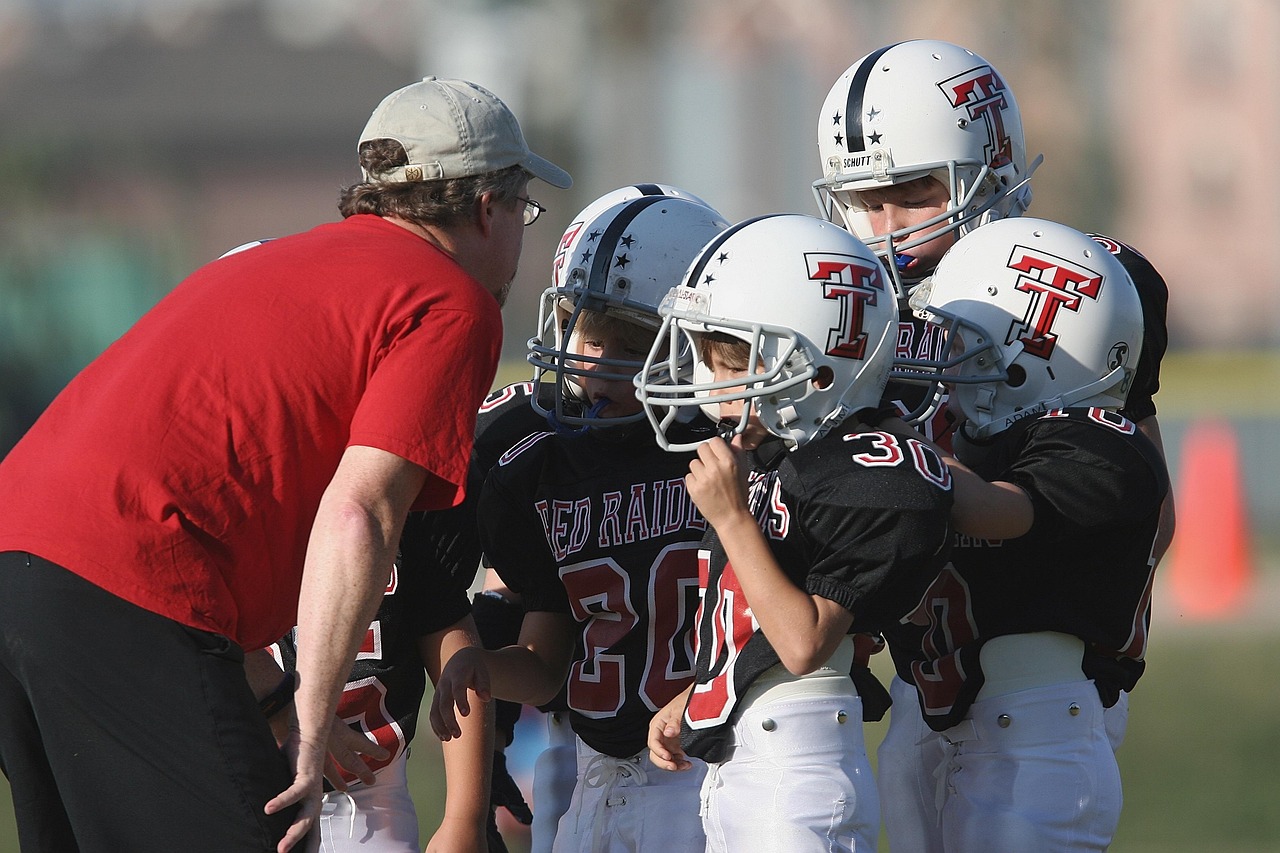

The Benefits of Team Building for Youth Athletes’ Mental Health
In today’s competitive sports environment, youth athletes often face immense pressure to perform at their best. This intense focus can lead to feelings of anxiety, stress, and isolation among young athletes. To combat these negative effects, many organizations are recognizing the importance of team building as a vital strategy for improving mental health. Team building activities can foster a sense of belonging, helping youth athletes build strong relationships with teammates. These connections create a supportive environment where athletes feel secure and motivated to help one another. Team building exercises not only enhance team cohesion but also teach essential life skills such as communication, leadership, and conflict resolution. By engaging in fun and collaborative tasks, youth athletes learn to trust each other, which can boost their confidence and performance on and off the field. With an emphasis on teamwork, athletes can experience reduced stress and improved overall well-being. Ultimately, prioritizing team building in youth sports programs can significantly impact young athletes’ mental health, enabling them to thrive both as athletes and individuals.
The physical benefits of teamwork extend beyond the playing field, as they also influence mental resilience. When young athletes engage in team building exercises, they learn how to work together towards common goals. This shared focus encourages them to develop persistence and determination, vital traits needed for any athlete. Through teamwork, individuals can push each other to exceed their limits and take calculated risks, boosting their overall self-esteem. As athletes become more confident in their abilities, they are likely to become more capable of handling setbacks and challenges that arise during competitions. Moreover, youth athletes develop social skills that allow them to navigate both sports and life’s uncertainties more effectively. As they learn how to communicate openly and constructively with their teammates, young athletes build crucial problem-solving skills that enhance their cognitive functioning. This holistic approach reinforces the idea that strong mental health is intrinsically linked to physical performance. Furthermore, athletes who feel more mentally prepared are likely to demonstrate higher levels of motivation and satisfaction within their sports pursuits, resulting in broader personal and athletic growth.
Fostering Emotional Support
Another significant advantage of team building is the emotional support it can provide to youth athletes. Participating in team activities encourages individuals to express their thoughts and feelings, creating an open atmosphere where sharing personal experiences becomes the norm. This emotional release can be instrumental in combating loneliness and the feelings of inadequacy that young athletes may experience. Moreover, when teammates share their struggles and victories, they foster empathy and understanding, which further strengthens team bonds. This connection helps athletes learn that they are not alone in their challenges. In times of difficulty, having a reliable support network can significantly improve their mental health. Furthermore, through shared experiences, athletes can also gain new perspectives on their challenges, leading to personal growth and resilience. A strong sense of camaraderie not only enhances team dynamics but also cultivates emotional stability among teammates. By acknowledging each other’s feelings and celebrating achievements, athletes become more likely to develop a positive self-image, thus creating an uplifting atmosphere that promotes overall mental well-being.
Incorporating team building activities into training schedules can positively affect the emotional and mental climate of youth sports teams. Through organized games, trust exercises, and collaborative tasks, athletes build strong, supportive relationships that can lead to improved performance. This is largely attributed to the fact that when athletes feel valued and respected by their peers, they are more likely to succeed in their respective sports. Additionally, the continued emphasis on collaboration fosters an environment of inclusivity, allowing all athletes to feel they contribute meaningfully to the team. Such inclusivity helps dispel negative feelings, such as insecurity and anxiety, as athletes learn from each other without fear of judgment. When combined, these factors create a team culture focused on encouragement and positive feedback, essential components of mental wellness. Coaches can play a crucial role in facilitating this positive environment by incorporating team-building exercises into their practice schedules. Moreover, recognizing each athlete’s unique contributions not only boosts self-esteem but also encourages them to strive for their best because they feel integral to the team’s success.
Building Lifelong Skills
One of the most gratifying aspects of team building for youth athletes is the development of lifelong skills beyond sports. As teams collaborate through various activities, athletes enhance their problem-solving techniques and critical thinking skills. They learn to assess situations quickly, navigate interpersonal dynamics, and make informed decisions synchronized with their teammates. These skills are essential not only in sports but also in everyday life scenarios that require teamwork and cooperation. As youth athletes navigate challenges and conflicts, they develop emotional intelligence that will serve them well in various future endeavors. Furthermore, the experience of working towards shared objectives teaches goal-setting and accountability principles, helping youth athletes understand the importance of collaboration in achieving success. Young athletes often carry these invaluable lessons throughout their academic and professional lives, regardless of their future pursuits in sports or other fields. By making team building an integral part of youth athletic programs, coaches and mentors equip young athletes with the necessary foundations for personal and professional development, leading to lifelong success and fulfillment.
The essential skills gained through teamwork are particularly beneficial in developing leadership qualities among youth athletes. When team-building exercises are well-facilitated, they empower athletes to step outside their comfort zones and take on active roles within their teams. Young athletes learn the significance of responsibility and accountability, recognizing how their actions can impact the team dynamics. This sense of ownership cultivates a culture of leadership where athletes encourage one another to flourish individually while supporting the collective mission. Leadership skills gained during these formative years are invaluable, as they help in preparing youth for future roles in their communities and workplaces. Additionally, experiencing diverse leadership styles within a team promotes adaptability, allowing young athletes to comprehend how to approach various situations effectively. Whether in sports or life, these foundational experiences shape resilient leaders who understand the importance of collaboration and teamwork. The results of such experiences can lead to confident, capable individuals ready to face life’s challenges head-on with a positive attitude and enduring spirit.
Conclusion: The Holistic Impact
In conclusion, the benefits of team building for youth athletes extend far beyond enhancing their performance in sports. Positive mental health is vital for success in sports, and effective team building fosters emotional support, resilience, leadership, and lifelong skills. Engaging in team-building activities creates a nurturing environment where athletes can develop the emotional and social skills necessary for effectively handling life’s challenges. The sense of belonging, trust, and shared experiences gained through team dynamics foster strong communal bonds, enhancing both individual and team performance over time. By participating in such activities, young athletes not only improve their mental health but also experience personal growth that will resonate in many aspects of their lives. Coaches, mentors, and parents play a crucial role in integrating team-building practices into youth sports, ensuring that athletes benefit holistically. By prioritizing these connections, we pave the way for healthier, happier athletes who understand the value of teamwork. Overall, the investment in team building is an investment in the future, fostering well-rounded individuals equipped to excel both on the field and in life.
The invaluable lessons learned through team building can serve as a foundation for youth athletes to navigate their athletic and personal journeys successfully. As athletes transition from adolescence to adulthood, the insights and skills gained from teamwork help them tackle future obstacles with confidence and determination. For both individual and collective success, fostering these relationships through team building is essential.