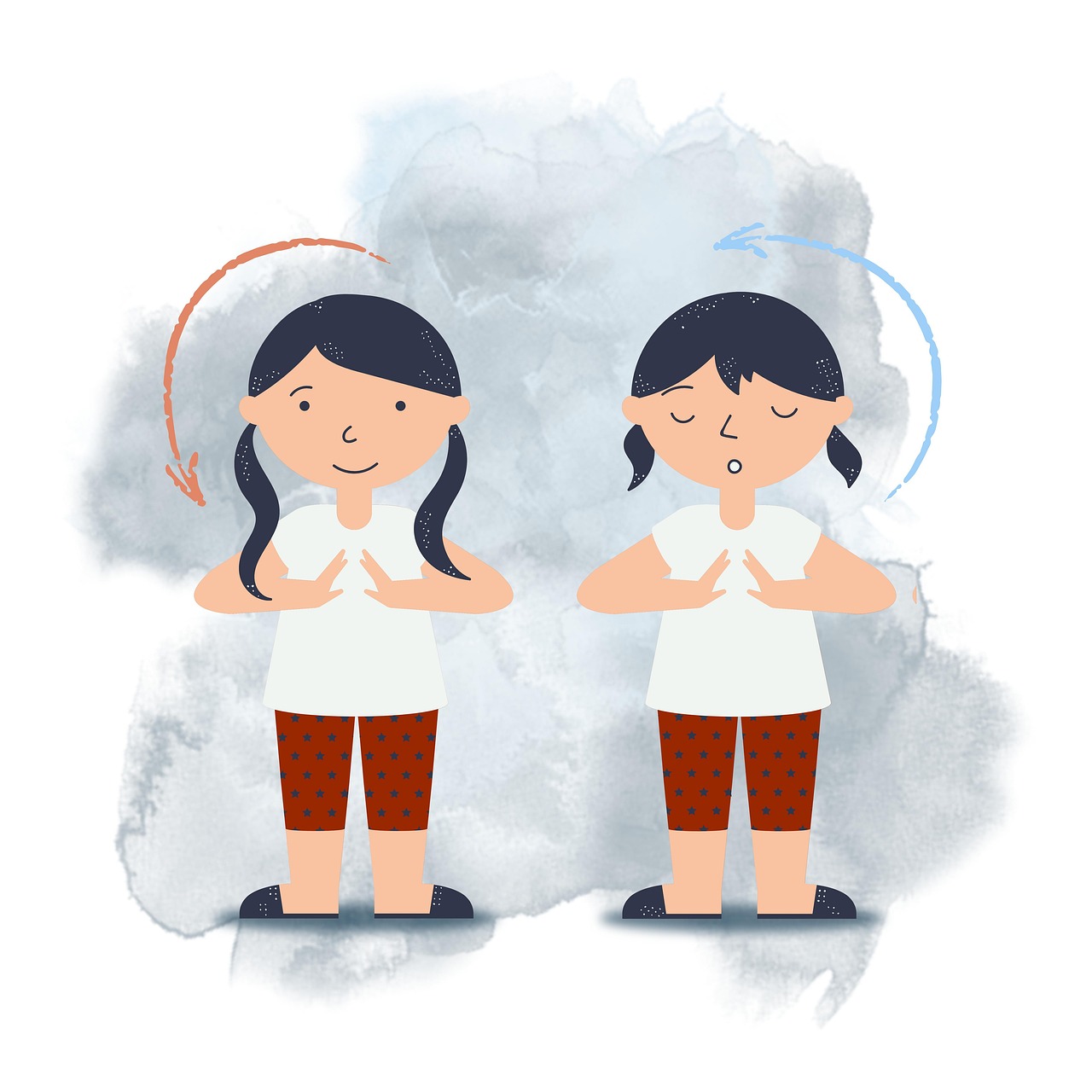

Encouraging Children to Practice Breathing Exercises Through Music
Breathing exercises can be a fantastic tool for children to manage their emotions and regulate stress. These exercises not only help in calming down but also enhance their focus and relaxation. One engaging way to introduce breathing exercises is through music, as melodies can resonate with children and make the practice enjoyable. With the right songs, children can learn to take deep breaths in sync with the rhythm, making it easier for them to follow along. Additionally, music can serve as a reward system, encouraging children to practice frequently. It’s important to choose music that’s upbeat and has clear rhythm and beat, helping children associate breathing exercises with positivity. When children breathe along with the music, they can connect the physical act of breathing with emotional well-being, helping to instill a lifelong technique for managing stress. The use of calming sounds or nature-inspired music can further enhance the experience, creating a peaceful atmosphere to practice. Various online platforms offer a plethora of resources in the form of songs specifically designed for breathing exercises, establishing a fun routine for kids.
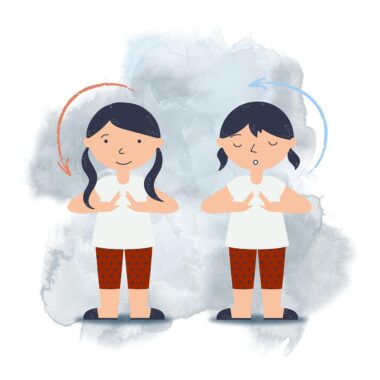
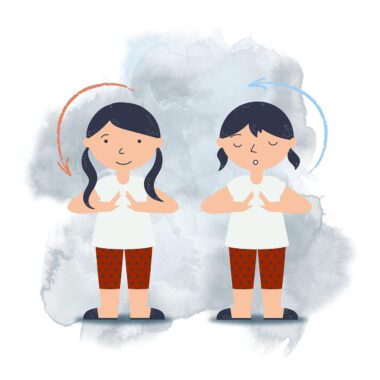
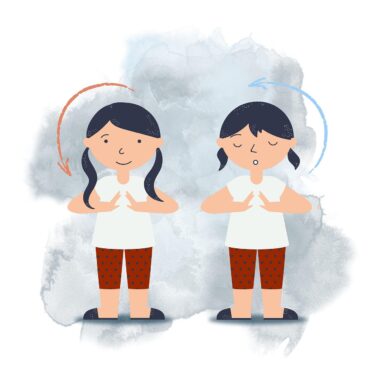
Incorporating visual aids alongside music can elevate the practice of breathing exercises for children. For example, using instruments or props can engage their interest and strengthen their connection to the activity. You can use simple instruments, like tambourines or maracas, to provide a tactile experience, making the exercises more interactive. Children can be encouraged to breathe in rhythm with their instruments, allowing them to express their creativity. Artful illustrations can also accompany the music, helping children visualize the breath process. This combination fosters an enriched learning environment, where breathing techniques are presented as a fun and enjoyable activity. As children explore these exercises further, they may develop their pace and create personalized routines. Crafting a breathing exercise set to music can be a great group activity, allowing children to share and collaborate. You can even involve parents, creating a supportive community focused on health and wellness for kids. It’s essential to remember that making breathing exercises fun will lead to better engagement and effectiveness. Regular practice not only benefits children emotionally, but also enhances their overall well-being.
Creating a structured breathing exercise routine that incorporates music can benefit children in various aspects. To start, establishing specific times dedicated to practice can create familiarity and comfort. For instance, setting aside time in the morning before school or during bedtime can encourage habit-forming behavior. During these times, playing soothing music can signal that it’s time for relaxation and focus. Parents can also create playlists tailored specifically for deep breathing exercises. Utilizing a variety of genres can keep children interested, while allowing them to find their favorite tunes. Songs with easy-to-follow lyrics can help children learn the rhythm of breathing more effectively. Moreover, using apps designed for children that integrate breathing exercises and music can enhance their engagement and learning experience. These apps often feature interactive features and playful animations, making the process appealing. The gamified aspects can also be beneficial, as they reward children for completing their exercises. Children will likely practice more willingly and frequently if they feel like they’re engaging in a fun game. As a result, parents can observe improvements not only in emotional regulation but also in focus and calmness during challenging situations.
When choosing songs for breathing exercises, considering children’s preferences is crucial for making it enjoyable. Engaging children in a discussion about their favorite songs can help them feel more invested in the activity. Parents could leverage popular children’s music or nursery rhymes that are easy to remember and sing along to. Another innovative approach may involve creating original songs tailored to specific breathing exercises, with lyrics instructing breathing patterns. This custom music can then become part of the child’s identity associated with relaxation and self-care. Letting children contribute to the creation of these songs can further boost their enthusiasm. Music can be a powerful medium in developing a deeper connection to the practice, providing children a sense of ownership over their learning. Additionally, having children sing along while practicing their breathing techniques can reinforce the activity as something engaging and fun. As children link their favorite songs with breathing exercises, they develop a positive relationship with self-regulation methods. Practicing these techniques can create an intuitive understanding of their effects, ultimately providing children with tools to manage stress throughout their lives.
Benefits of Breathing Exercises Through Music
The connection between breathing exercises and music can lead to profound benefits for children. Regular practice can significantly improve their mental health by enhancing their concentration and stress management abilities. Simultaneously, it promotes emotional intelligence, as children learn to identify, understand, and express their emotions effectively. By incorporating music, children are given a playful avenue to explore these aspects, helping them feel more secure in their environment. As a result, this iterative practice can lead to meaningful changes in their daily lives, often reflected in improved moods and better behavior. Another notable benefit is the enhancement of respiratory function. By practicing deep breathing, children learn proper techniques that can lead to better oxygen intake. These practices may aid their physical health, especially in developing bodies, facilitating a stronger foundation for overall well-being. Furthermore, participating in group-based breathing exercises can foster social connections and teamwork, promoting friendships through shared experiences. When children engage in these activities together, they’re also learning the importance of support and empathy. Encouraging this habit early on sets the stage for a healthier lifestyle as they grow into adulthood.
Music can be a bridge between children and mindfulness, providing them with tools to live in the present moment. For children who may struggle to articulate their emotions, engaging with breathing exercises through music offers a non-verbal outlet for expression. Through rhythmic breathing, children discover ways to regulate their feelings and release any built-up tension. These quiet moments can enhance their self-awareness, as they start recognizing their emotional triggers and responses. This awareness ultimately leads to the development of coping strategies, improving their problem-solving skills. Practicing these exercises in various environments—home, school, or during playdates—can further solidify their understanding and application. Creating a routine where breathing exercises are celebrated strengthens their significance in life. Children might also prefer group activities involving music and breathing exercises, enhancing their comfort levels during practice. With consistent encouragement from parents and educators, this skill set can foster resilience as children learn to navigate daily challenges calmly. Ultimately, breathing exercises through music create a pathway toward a healthier mindset for children, equipping them with indispensable skills that benefit their psychological and physical health.
The role of parents and educators is essential in promoting breathing exercises through music for children. They can set the tone for a positive and engaging practice environment. It’s beneficial for parents to participate actively, demonstrating the exercises while singing along. This involvement not only encourages children but also builds bonds through shared experiences. Additionally, creating a designated space for these activities can further enhance focus and calmness during practice. Personalizing the environment with decorations or related visuals can heighten engagement. Providing children with feedback and recognition during their practice can reinforce their motivation and enthusiasm. Specific praise for their efforts within the exercises can encourage them to keep improving. Parents might also record or film special moments to celebrate progress, further enthusing children about their developments. As they see improvements, children will associate effort with positive outcomes, leading them to develop a growth mindset. Overall, the support and encouragement of parents and educators are crucial for lifelong habits. By establishing this healthy foundation, children will likely carry the benefits of breathing exercises into their future endeavors, making them resilient and well-adjusted individuals.