
Supplements That Can Support Hormonal Health in Menopause
In the journey of menopause, numerous women experience hormonal fluctuations that can lead to various challenges, including hot flashes, mood swings, and decreased energy. Addressing these symptoms can significantly improve quality of life. One proven approach is incorporating specific supplements into the daily routine. Supplements such as black cohosh have gained attention for their purported ability to alleviate hot flashes effectively. Flaxseed is rich in omega-3 fatty acids and might help manage hormonal balance due to its phytoestrogens. Additionally, vitamin E is often recommended to support skin health and alleviate discomfort. Another option is vitamin D, essential for overall health, which can play a role in mood stabilization. Utilizing these supplements may enhance nutritional intake during this phase. However, consulting a healthcare provider before starting any supplement is crucial to avoid interactions with medications, as individual needs vary greatly and safety is paramount. Consider keeping a health journal to track symptoms before and after supplement use. This information can guide discussions with healthcare professionals for personalized care.
In addition to the aforementioned supplements, magnesium is frequently recommended to help manage anxiety and promote relaxation. It plays a key role in supporting numerous bodily functions, including hormonal balance, and can assist in combating fatigue. Omega-3 fatty acids, found in fish oil supplements, have anti-inflammatory properties that may relieve depression and other mood disorders experienced during menopause. Furthermore, ashwagandha is an adaptogen that helps the body cope with stress, potentially lowering cortisol levels. Including these nutrients in your diet can create a well-rounded approach to menopause management. Calcium is another essential supplement, vital for maintaining bone health, which becomes increasingly important when estrogen levels decline. A daily intake of calcium helps reduce the risk of osteoporosis. Always look for high-quality supplements from reputable sources. Evaluate your overall dietary intake; often, obtaining nutrients through food can be more beneficial than supplements alone. Incorporate foods rich in omega-3s, magnesium, and calcium for an enriched menopause experience. Stay informed by reading research on the effectiveness of these supplements, which can provide reassurance during this transition.
Herbs and Natural Remedies
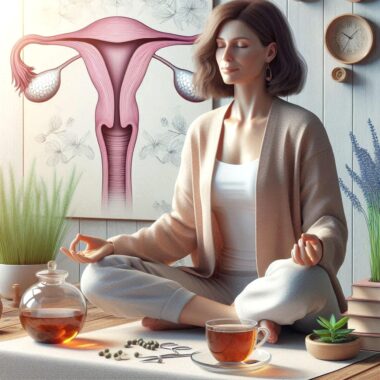
Incorporating herbs and natural remedies can be beneficial for hormonal health during menopause. Red clover, known for its high isoflavonoid content, may assist in reducing hot flashes. Some studies suggest that dong quai, often used in traditional Chinese medicine, could support women’s reproductive health. Additionally, evening primrose oil has gained popularity among women experiencing breast tenderness and mood swings. These supplements are often available in capsule or oil form and can be found at health food stores. Check with a healthcare professional to determine the best herbal supplements, ensuring they align with individual health needs. Maintaining a balanced diet rich in whole foods alongside these supplements may amplify benefits. Regular exercise and adequate hydration further promote hormonal balance. Moreover, mindfulness and relaxation practices such as yoga and meditation can complement hormonal health by reducing stress levels, an important factor during menopause. Integrating these practices into daily routines can lead to a more holistic approach to managing hormonal changes and your overall well-being. Staying active has its benefits in regulating body functions and maintaining a healthy weight throughout this transitional phase.
It’s essential to highlight that not all supplements work the same for everyone. While many women report positive effects from herbal remedies, the scientific evidence varies. Individual responses to supplements can depend on various factors, such as genetics, lifestyle, and the severity of symptoms. Therefore, staying patient and observant while testing different options is crucial. Document how you feel over time after incorporating new supplements, which can help you identify what works best for your body. Additionally, awareness of possible side effects is vital. Some individuals may experience mild digestive issues or headaches with new supplements. In these scenarios, finding a reliable healthcare provider can help navigate any adverse reactions. Furthermore, understanding the timing of supplements can impact their effectiveness; for instance, some may find it beneficial to take certain supplements at night to align with their body’s natural rhythms. A personalized approach to supplementation can greatly enhance hormonal balance during menopause. Consider joining support groups or online forums where experiences and recommendations can be shared, which fosters a community that understands the journey through menopause.
The Role of Lifestyle Changes
Alongside supplements, lifestyle modifications can play a significant role in supporting hormonal health during menopause. Regular physical activity improves overall well-being and can directly influence hormone levels. Engaging in aerobic exercises, strength training, and flexibility exercises can help reduce symptoms like anxiety and weight gain, which are common during this phase. Aim for at least 150 minutes of moderate exercise each week, which can include brisk walking, cycling, or yoga. Moreover, prioritizing a balanced diet rich in antioxidants and healthy fats can complement the effects of supplements. Foods like fruits, vegetables, nuts, and seeds can manage inflammation and balance hormones. Staying hydrated is also crucial; aim to drink at least eight glasses of water daily to assist bodily functions. Avoiding excessive caffeine and alcohol may also help alleviate irritability and mood swings. Establishing a consistent sleep routine is paramount; quality sleep significantly impacts hormone regulation. Make familiar sleeping patterns a priority and create a comfortable sleep environment. Together, these lifestyle changes combined with supplementation may create an effective strategy against the challenges posed by menopause.
Another significant aspect is managing stress, which can heighten the symptoms experienced during menopause. Techniques such as mindfulness meditation, deep breathing exercises, and yoga can greatly benefit emotional well-being. Explore activities that reduce stress levels and provide relaxation. Finding hobbies that engage you creatively or intellectually can also divert focus from discomfort and foster positivity. Some women find comfort in journaling to express their feelings throughout this transition. Identifying triggers of stress and addressing them head-on can lead to more control over the experience. Support from family and friends remains invaluable; sharing your experiences fosters understanding and emotional comfort. Consider reaching out to professional support groups or mental health professionals if feelings of isolation or sadness arise during this transition. Personal stories can offer hope and inspire action. Embracing change during menopause involves patience and recognition of both physical and emotional health needs. The importance of a supportive network cannot be overstated; friends who understand this journey can provide encouragement and insightful advice to navigate these changes successfully.
Conclusion and Future Steps
In conclusion, managing hormonal health during menopause can be effectively supported through a combination of supplements, lifestyle changes, and emotional support. Each woman’s experience is unique, making it crucial to find a personalized approach that fits individual needs and health conditions. Starting with a foundation of well-researched supplements such as black cohosh and omega-3 fatty acids can yield positive results. At the same time, incorporating physical activity, proper hydration, and a nutrient-rich diet enhances overall health. Never underestimate the power of community and shared experiences, as these connections can significantly alleviate feelings of isolation. Regular check-ins with healthcare providers allow for adjustments in supplement choice or lifestyle modifications. Future steps may involve exploring hormonal therapies under professional guidance if symptoms become too overwhelming and reach a critical level. Staying informed about new research on menopause and its management options offers further empowerment. This transitional life phase does present challenges; however, with the right strategies and support system, it can also be lucrative and enriching. Embrace this journey with knowledge and an open heart, ready to adapt to the changes ahead.
Empowerment is the key in navigating the journey of menopause, as knowledge fosters resilience and confidence. Each woman’s experience can significantly differ; maintaining an adaptable mindset while seeking customized support is essential. Consulting with healthcare providers ensures a safe and informed approach to integrating supplements into your life. Keep abreast of emerging trends in hormonal health research to make educated choices about treatments that work effectively for you. Continuous learning through quality resources and community engagement can enhance your perspective on menopause. Celebrate small victories, listen to your body, and remember that each day presents new opportunities for balance. Through diligence and self-care, menopausal women can experience a fulfilling and joyful life. Assessing your mental health is as crucial as physical health; prioritize emotional well-being alongside your physical journey. Maintain a strong personal foundation; engaging in meaningful conversations with loved ones allows for emotional exploration and suggestions. Embrace this chapter with optimism as you enhance not only your hormonal health but also your overall well-being. The menopausal phase is a journey of discovery that embraces change, leading to greater strength and fulfillment in the years to come.